Kitchen Appliance Sounds You Should Never Ignore: A Troubleshooting Guide
That strange noise coming from your refrigerator or dishwasher isn’t just annoying—it could be your appliance’s way of telling you something is seriously wrong. Here’s how to tell the difference between normal operation and a cry for help.
You’re sitting in your kitchen, enjoying a quiet morning coffee, when you hear it—a grinding sound from the dishwasher that wasn’t there yesterday. Or maybe your refrigerator has started making a buzzing noise that seems louder than usual. I’ve been there, wondering whether to call a repair person or just ignore it and hope it goes away.
The truth is, kitchens are naturally noisy places. Appliances hum, water runs, and fans spin. But some sounds are warning signals that should never be ignored. Understanding which noises are normal and which ones spell trouble can save you money on repairs and prevent unexpected breakdowns.
TL;DR
- Refrigerator humming is normal, but loud buzzing, grinding, or knocking signals compressor or fan problems
- Dishwasher grinding often means food debris is stuck in the pump, spray arms, or filter
- Oven clicking during heating is normal, but constant clicking without ignition in gas ovens is dangerous
- Range hood grinding or squealing points to failing motor bearings
- If a sound is loud enough to hear in another room, it’s time to call a professional
Key Takeaways
- Many appliance sounds are completely normal—especially clicking, humming, and occasional popping
- Grinding, scraping, or squealing usually means mechanical parts are failing
- Persistent loud noises that stop when you open refrigerator doors often mean frost buildup around the fan
- If you smell gas along with clicking from a gas oven, evacuate immediately and call your gas company
- Most sound problems get worse over time, so early intervention saves money
Refrigerator Sounds: What’s Normal and What’s Not
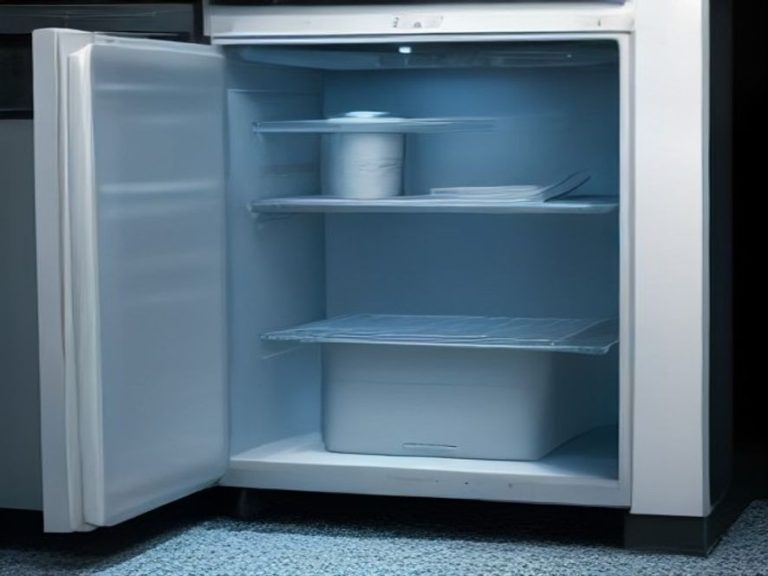
Your refrigerator runs constantly, so it makes more noise than any other kitchen appliance. Most of these sounds are perfectly normal.
Normal refrigerator sounds include:
- Gentle humming from the compressor running
- Occasional clicking as the compressor cycles on and off
- Water flowing through ice makers or water lines
- Fans moving air for circulation
But here’s when you should worry:
A loud buzzing or vibrating sound suggests a failing compressor working harder than it should. Gurgling or hissing might indicate refrigerant leaks—and that requires professional attention. Knocking sounds often mean loose components or failing fan motors.
If your refrigerator isn’t feeling as cold as it should, a whirring noise could mean you have a faulty fan motor. LG’s support team notes that while compressor noises are normal, they’re not supposed to last longer than one hour or be loud enough to hear from another room.
Pro tip: If noise stops when you open the refrigerator door, it’s usually caused by the fans. Frost buildup around the fan housing often causes this—check your refrigerator leveling and temperature settings.
Dishwasher Sounds: When That Grinding Means Trouble
Dishwashers make plenty of noise during normal operation—water rushing, spray arms swishing, and occasional bumping as dishes shift. Even a bit of grinding from the food disposal mechanism that pulverizes debris is normal.
But loud grinding or squealing is different.
According to Samsung, loud humming, buzzing, or grinding noises imply that something is caught in the drain pump’s impeller below the filter. Angie’s List explains that grinding noises are often caused by clogs in the spray arms, pump, or valves.
Here are the most common culprits:
- Clogged spray arms – Food particles or hard water buildup can block the holes
- Blocked pump – Small utensils or food pieces get stuck
- Plugged inlet valve – Hard water causes limescale buildup
- Failing motor bearings – Water corrodes the metal over time
If the grinding sound persists after cleaning the filter, spray arms, and checking for debris, call a professional. Pump bearing failure starts subtle but increases until the pump fails completely.
Oven and Range Sounds: Clicks, Pops, and What They Mean
The most common oven sound is clicking—and in most cases, it’s completely normal.
Normal clicking comes from:
- The ignitor clicking several times until the flame is detected (gas ovens)
- Heating elements cycling on and off to maintain temperature
- The control panel operating safety mechanisms
- The oven cavity expanding and contracting as it heats up (this creates knocking or popping sounds)
KitchenAid confirms that short-clicking sounds like tapping a nail on glass are normal and happen every 1-3 minutes during a cycle.
When clicking becomes a problem:
If your gas oven keeps clicking and you never hear the whoosh of the flame catching, that’s a warning sign—especially if you smell gas. Evacuate immediately and call your gas company.
LG warns that rattling sounds from the oven can signal a problem with the fan motor or fan housing. Clanking or scraping sounds mean the fan blade might be dented and interfering with the chamber—both require service.
Oven door clicking? Electrolux says the loud clicking when closing the door is intentional—it’s a resistance point to stop the door from slamming. If the door jumps when closing, check that the hinge locking tabs are pushed fully down.
Range Hood Sounds: The Motor Warning Signs
Range hoods generate noise from moving air, but certain sounds point to mechanical problems.
Normal: The whoosh of air moving through the hood and ductwork, increasing noise at higher fan speeds.
Warning signs: Grinding or squealing from failing motor bearings, excessive vibration at all speeds suggesting loose mounting or unbalanced fan blades, rattling from loose components or damaged ductwork.
Motor bearing failure starts subtle but progressively worsens until the motor fails entirely. If you hear grinding, don’t wait—early intervention prevents complete failure.
Winter Warning: Why Appliances Get Louder When It’s Cold
Have you noticed your appliances getting louder during winter months? There’s a reason for that.
Colder temperatures and increased use during the festive season put extra strain on kitchen appliances. House Beautiful’s appliance repair expert explains that loud sounds in winter often point to issues that need attention.
For refrigerators, the extra use during holiday hosting can make compressor and fan noises more noticeable. And for dishwashers, all that extra food can clog filters and spray arms, making the machine work harder and noisier than usual.
Sound Comparison Chart
| Appliance | Normal Sounds | Sounds to Worry About | What to Do |
|---|---|---|---|
| Refrigerator | Gentle humming, clicking, water flowing | Loud buzzing, gurgling, knocking, constant loud noise | Clean coils, check leveling, call pro for loud compressor |
| Dishwasher | Water rushing, swishing, gentle grinding | Loud grinding, squealing, vibrating | Clean filter, spray arms, check for debris; call pro if persists |
| Oven | Clicking, popping, fan hum | Rattling, clanking, constant clicking without ignition | Clean burner caps; if gas smell + no ignition, evacuate immediately |
| Range Hood | Air whoosh, motor hum | Grinding, squealing, excessive vibration | Turn off and call technician for motor repair |
FAQ Section
Why is my refrigerator making a loud buzzing noise?
A loud buzz often means the compressor is failing or working too hard. Clean the condenser coils first; if the noise persists, call a technician.
Is it normal for my dishwasher to grind during operation?
Some grinding from the food disposal mechanism is normal. Loud grinding that continues through the cycle usually means something is stuck in the pump or spray arms.
Why does my gas oven keep clicking but won’t light?
The ignitor is trying to light the gas but failing. If you smell gas, leave immediately and call your gas company from outside.
My range hood makes a squealing noise—should I be concerned?
Yes. Squealing usually means the motor bearings are failing. The sound will get worse until the motor fails completely.
How do I know if appliance noise needs professional help?
If the sound is loud enough to hear in another room, or if it’s accompanied by performance issues (not cooling, not heating, not cleaning), call a professional.
References
Expert appliance troubleshooting and diagnostic resources:
- Cosmo Appliances: Kitchen Sounds That Mean Something’s Wrong
- House Beautiful: Why Appliances Get Louder in Winter
- Angie’s List: Why Is My Dishwasher Making a Grinding Noise?
- Angie’s List: Why Is My Oven Clicking?
Which kitchen sound has you worried lately? Share your experience in the comments.