Kitchen Appliance Power Problems: Warning Signs You Shouldn’t Ignore
That flickering light, the faint buzzing sound, or the breaker that trips just once might seem minor—but these are often the first whispers of a serious electrical problem that could lead to fire, shock, or a dead appliance.
You know that sinking feeling when an appliance just stops working. Often, it doesn’t happen without warning. The appliance gives you clues, but we mistake them for quirks. Ignoring a hot plug, an unusual smell, or an error code is a gamble with your safety and your wallet . Let’s decode those warning signs so you know exactly when to take action.
The Warning Signs and What They Mean
🔥 Burn Marks, Hot Plugs, and Burning Smells
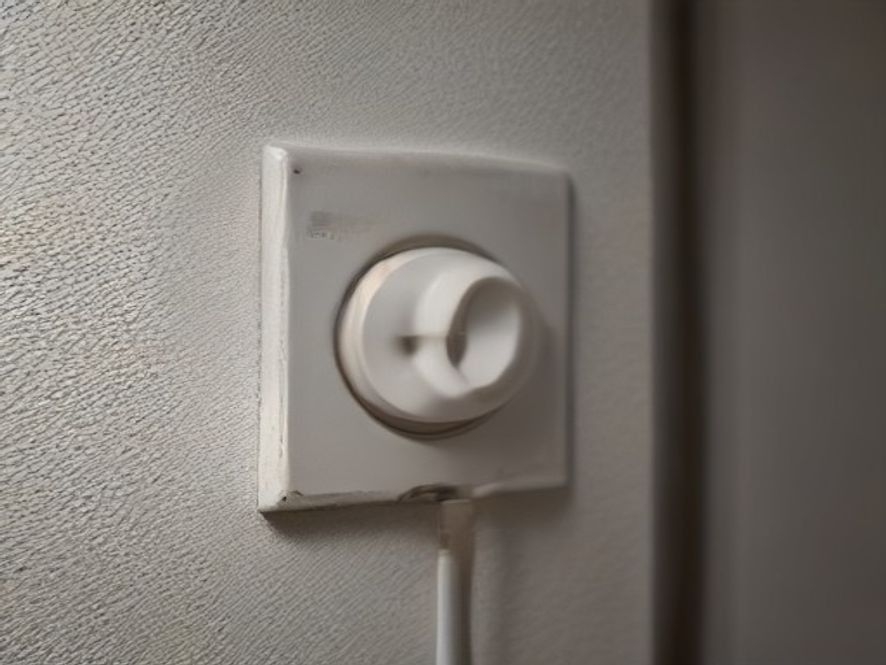
If an appliance feels hot to the touch, especially the plug or the cord, stop using it immediately. Unplug it if it’s safe to do so, but be careful, as it may be hot enough to burn you. A burning smell, scorch marks, or an outlet that feels warm are urgent signs of an electrical fault . These are not problems that “fix themselves”—they are failures waiting to happen.
💡 Dimming Lights or Flickering
When you turn on a high-draw appliance like a microwave or a toaster oven and see your kitchen lights dim or flicker, it can be a sign of a bigger problem. While sometimes it’s the appliance demanding a surge of power, persistent dimming can indicate that the circuit is struggling to handle the load. It might mean the circuit is overloaded or the wiring has a fault .
⚡ Tripping Breakers and Blowing Fuses
It is easy to write off a tripped breaker as a random fluke. But if a specific appliance consistently trips the breaker or blows a fuse, it is telling you something is wrong . The circuit breaker is a safety device that cuts power to prevent overheating and fires. It could be tripping because the appliance has a faulty component, a short circuit, or because it’s drawing too much power .
This is a key sign. As manufacturers like Electrolux explain, “The supply tripping indicates that a fault could be potentially harmful if the appliance or power supply is not put in a safe mode, i.e. tripped” .
🚨 Error Codes on Digital Displays
Modern appliances talk to you through error codes. They can be confusing, but they are important clues. For example:
- An E_H error on an induction cooktop means the internal electronics are overheating. You can try resetting the power at the circuit breaker and letting it cool, but if it persists, it signals a serious ventilation or component problem .
- An E3 or E8 error on an induction cooktop often means a faulty electrical connection in your home’s wiring or the appliance’s installation, requiring a certified electrician .
- If your refrigerator or oven keeps shutting off and displays an error, it might be the thermal fuse tripping because the appliance is overheating .
🚫 Appliance Shuts Off on Its Own
An appliance that powers down for no apparent reason is not being “quirky” . The thermal fuse inside many appliances is a one-time safety device that permanently breaks the circuit to shut off power if the unit gets dangerously hot. This is a sign of overheating, and the thermal fuse has to be replaced .
What to Do (and Not Do)
What NOT to Do
- Don’t ignore the signs. A tripped breaker, a hot plug, or a burning smell is a clear warning that something is unsafe.
- Don’t try to fix it yourself. Unless you are a trained professional, do not attempt to investigate or repair these power issues. As Electrolux emphasizes, “For your safety, we would not encourage customers to fix this themselves” . You could be injured or make the problem worse.
- Don’t overload your kitchen circuits. Modern kitchens have many high-powered appliances. Plugging too many into a single outlet or circuit is a common cause of tripped breakers. Electrical Safety First advises avoiding overloaded sockets .
What TO Do
- For a Tripped Breaker or Blown Fuse: This is the first step to diagnose the appliance. Switch off power at the consumer unit (fuse box). Unplug or turn off all other appliances on that circuit. Switch the power back on, then turn on the appliance in question. If it trips again, the fault is likely in that appliance .
- Reset the Appliance (If Safe): For minor overheating errors like the E_H on an induction cooktop, you can try a full reset. Power the unit down by turning off the circuit breaker for one minute. Then, turn it back on and let the unit cool before testing again . For general errors, unplugging the appliance for 30 minutes can sometimes reset the internal controls .
- Call a Professional: If the problem persists or you notice any of the emergency signs like sparks, burning smells, or a hot plug, do not attempt further DIY fixes. Contact the retailer, the manufacturer, or a qualified repair technician to diagnose the issue safely .
Summary Table: Power Problem Warning Signs
| Warning Sign | What It Could Mean | What You Should Do |
|---|---|---|
| Burning smell, hot plug, scorch marks | Electrical short, major component failure | URGENT: Unplug (if safe) and call a professional immediately . |
| Constantly tripping breaker / blowing fuse | Faulty component, short circuit, or circuit overload | Identify the cause. If isolated to one appliance, book a repair . |
| Appliance shuts off by itself | Overheat protection (thermal fuse) triggered or power issue | Reset the appliance. If it happens again, call a technician . |
| Error codes (e.g., E_H, E3, E8) | Specific component failure, overheating, or wiring issue | Consult your manual. Often requires a professional reset or certified repair . |
| Flickering lights when appliance starts | Circuit overload or a wiring issue | Have an electrician check the circuit; your appliance may be pulling too much power . |
FAQ
My oven just tripped the breaker. Should I just turn it back on?
You can try resetting the breaker once, but if it trips again immediately, there is a fault. Do not keep resetting it. Turn it off and call for a repair .
What does a burning plastic smell from an appliance mean?
It means an electrical component is overheating and melting its insulation. This is a fire risk. Unplug the appliance immediately (if safe) and do not use it until it has been inspected by a professional .
What should I do if I see an error code I don’t understand on my induction cooktop?
Check your user manual first. Some errors, like E4 (overheating) or E7 (fan issue), can often be resolved by letting the unit cool down or checking for ventilation blockages. For errors like E3/E8 (wiring) or an error you can’t resolve, call a certified technician .
Can I fix an appliance that keeps tripping the breaker myself?
No. Manufacturers like Electrolux strongly advise against this. These are serious electrical faults that can be dangerous to diagnose. Leave it to a trained technician .
References
Trusted sources for kitchen appliance power troubleshooting:
- Electrolux United Kingdom – Oven Trips Fuses
- KitchenAid – Induction Cooktop Error E_H
- Coolblue – AEG/Zanussi Induction Cooktop Errors
- Electrical Safety First – Kitchen Safety Advice
- The Home Depot – KitchenAid Oven Shuts Off
Which kitchen problem do you want solved next? Share your thoughts in the comments.