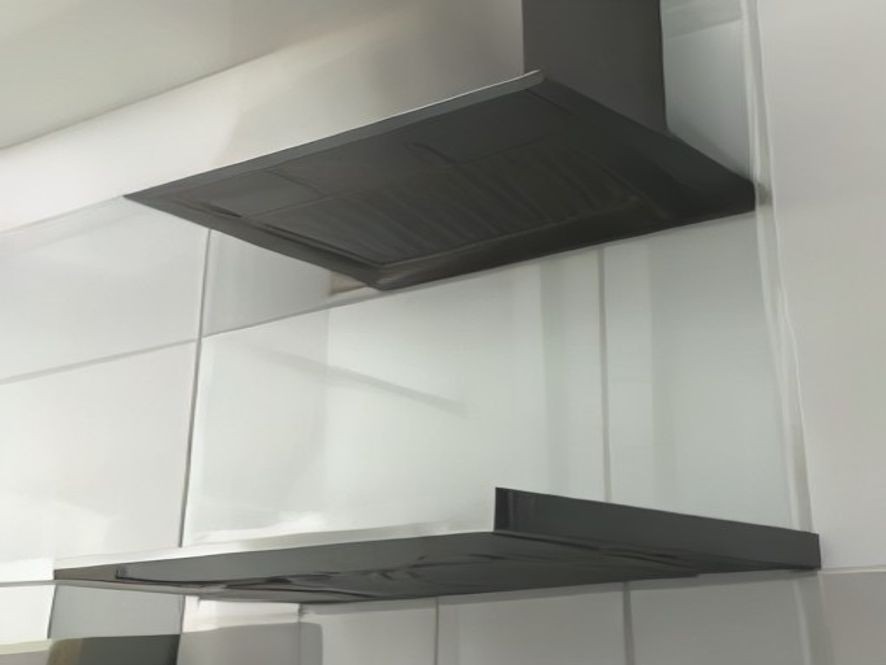
Why Does My Kitchen Smell Like Smoke After Cooking? Causes and Easy Solutions for a Fresher Home
That lingering smoky smell after cooking can turn your cozy kitchen into an unpleasant space and make you worry about your indoor air quality.
TL;DR
A smoky smell after cooking is usually caused by burnt food residue, grease buildup, or inadequate ventilation that traps smoke particles in your kitchen surfaces. The solution involves deep cleaning your stovetop, oven, and exhaust fan, plus using natural odor absorbers like vinegar and baking soda. For persistent problems, you may need to clean your ductwork or invest in a better range hood .
Key Takeaways
- Burnt residue is the main culprit: Leftover grease and food particles on your stovetop, oven, and cookware burn and create smoke that clings to surfaces .
- Ventilation matters: Your range hood or exhaust fan may be underpowered, dirty, or improperly installed .
- Surface absorption is real: Smoke particles settle into walls, cabinets, and fabrics, locking in the smell .
- Proper cleaning technique works: A combination of degreasing, airing out, and using odor absorbers will eliminate the problem .
The Real Causes Behind That Lingering Smoke Smell and How to Fix It
Before you can fix the problem, you need to understand exactly why that smoky smell sticks around long after dinner is over.
Why Cooking Smoke Lingers in Your Kitchen
When you cook, especially at high heat, you create three things: delicious food, invisible particles, and sometimes visible smoke. Here’s what happens next :
- Grease Vaporization: When oil or fat gets hot enough, it vaporizes and floats into the air. As it cools, it condenses and sticks to nearby surfaces like your walls, cabinets, and even your ceiling .
- Particle Absorption: These tiny smoke particles are sticky. They settle onto porous surfaces like drywall, wood cabinets, and upholstery, embedding themselves deep where they continue to release odors .
- Poor Ventilation: If your range hood doesn’t vent outside, or if the filter is clogged with grease, the smoke has nowhere to go but back into your kitchen .
- Recirculating Issues: Many “ductless” range hoods simply pull air through a charcoal filter and blow it back into the room. These filters need regular replacement or they become useless .
The Most Common Culprits
Here are the specific reasons your kitchen smells smoky:
| Cause | Why It Happens | Smell Intensity |
|---|---|---|
| Burnt oil/grease on stovetop | Spills and splatters burn on heating elements | Strong |
| Food stuck in oven | Old spills burn during preheating or baking | Very Strong |
| Dirty drip pans | Burned residue releases smoke | Strong |
| Clogged grease filter | Range hood can’t capture particles | Medium |
| Smoking oil | Heating oil past its smoke point | Strong |
| Dirty kitchen surfaces | Walls and cabinets absorb smoke | Lingering |
A Step-by-Step Guide to Eliminating the Smoke Smell
This comprehensive approach will tackle the smoke smell from every angle.
Step 1: Clean Your Cooking Surfaces
Start with the obvious sources :
- Stovetop: Remove and clean all drip pans and burner grates. Soak them in hot, soapy water, then scrub away any burnt residue .
- Oven: If you have a self-cleaning oven, run that cycle first (just be prepared for some temporary smoke). Otherwise, use a baking soda paste to scrub interior surfaces .
- Cookware: Check your pots and pans. Burnt-on food can continue smoking even after cooking. Scrub them thoroughly.
- Microwave: Don’t forget to clean the inside of your microwave. Food splatters can burn and create smoke when reheating.
Step 2: Deep Clean Your Range Hood and Filters
Your exhaust system is your first line of defense. If it’s dirty, it can’t do its job :
- Remove and clean the filter: Most range hood filters are removable. Wash them in hot, soapy water or run them through the dishwasher .
- Soak in baking soda: For heavy grease buildup, soak the filter in a solution of hot water and baking soda for 15-20 minutes .
- Replace charcoal filters: If your hood recirculates air, replace the charcoal filter every 6-12 months .
- Wipe down the hood: Grease can accumulate on the underside and exterior of the hood. Wipe it clean with a degreaser.
Step 3: Wash Walls, Ceilings, and Cabinets
Smoke particles are sticky and will coat every surface in your kitchen :
- Make a degreasing solution: Mix equal parts white vinegar and warm water, or use a small amount of dish soap in water .
- Wipe down all surfaces: Use a sponge or microfiber cloth to wash the walls, ceiling, and cabinet fronts near the stove .
- Rinse and dry: Follow up with a clean water rinse to remove any soapy residue.
Step 4: Air Out Your Kitchen
Sometimes the smell is just trapped in the air. Let fresh air do the work :
- Open windows and doors: Create a cross-breeze to flush out stale, smoky air .
- Use fans: Place a box fan in a window facing outward to pull smoke out of the room .
- Run your vent fan: Always run your range hood during and after cooking .
Step 5: Use Natural Odor Absorbers
Once the source is clean, tackle the lingering smell with these natural methods:
| Item/Method | Purpose | How to Use |
|---|---|---|
| White Vinegar | Neutralizes odors | Place bowls of vinegar around the kitchen overnight |
| Baking Soda | Absorbs odors | Leave an open box in the kitchen |
| Activated Charcoal | Traps odor molecules | Place bags of charcoal in corners |
| Coffee Grounds | Absorbs and replaces odor | Leave a bowl of fresh grounds out |
| Lemon Boil | Creates fresh scent | Boil lemon slices and water for 15 minutes |
Step 6: Deep Clean Fabrics
Don’t forget soft surfaces that can trap smoke smells :
- Wash curtains and dish towels: Launder any fabric items that were exposed to the smoke .
- Clean your rug: If you have a rug or runner near the stove, vacuum it thoroughly or have it professionally cleaned .
- Consider upholstery: If your kitchen has upholstered chairs, they may need to be steam cleaned.
Step 7: When to Call a Professional
If you’ve tried all these steps and the smell persists, it could be hiding in places you can’t reach :
- In-wall ductwork: Your range hood vent may be filled with grease buildup .
- HVAC system: Your heating and cooling system could be circulating old smoke particles .
- Deep-set odors: Smoke can penetrate drywall and insulation, requiring professional odor removal services.
How to Prevent Smoke Smells in the Future
The best solution is prevention. These simple habits will keep your kitchen smelling fresh.
Cook Smarter
- Use oils with high smoke points: Avocado, grapeseed, and peanut oil can handle higher heat than olive or butter .
- Don’t overheat your pan: If you see wisps of smoke, your pan is too hot .
- Pat food dry: Water causes oil to splatter, which can burn on your stovetop .
- Cover pots and pans: A splatter screen can prevent grease from escaping .
Maintain Your Ventilation
- Use your vent fan: Turn it on before you start cooking and leave it running for 10-15 minutes after you finish .
- Clean your filter monthly: Make it a habit to clean your range hood filter every month .
- Replace charcoal filters regularly: Set a reminder every 6 months .
- Consider an upgrade: If your range hood is underperforming, look into a higher CFM model that vents outside .
Clean as You Go
- Wipe spills immediately: A quick wipe prevents burnt-on residue later .
- Deep clean monthly: Set aside time monthly to degrease your kitchen .
- Run the self-clean cycle: Use your oven’s self-clean function (just open windows first) .
- Regular cleaning prevents grease buildup and bad odors.
“Most kitchen problems come from small maintenance habits that are often ignored.” A smoky kitchen is almost always a sign of buildup, not a permanent problem.
Frequently Asked Questions
Why does my kitchen smell smoky after cooking even though I didn’t burn anything?
Grease and food residue on your stovetop, oven, or drip pans can burn at normal cooking temperatures, releasing smoke and odor .
How do I get smoke smell out of my kitchen fast?
Open windows, run your range hood, and place bowls of white vinegar around the room . For an immediate fresh scent, boil lemon slices in water for 10-15 minutes.
Why does my oven make my kitchen smell smoky?
Burnt-on food or grease inside the oven burns when the oven heats up, releasing smoke that fills your kitchen .
What’s the best way to clean a greasy range hood filter?
Remove it and soak it in a mixture of hot water and dish soap or baking soda for 15-20 minutes, then scrub and rinse thoroughly .
Can a dirty kitchen wall make my kitchen smell like smoke?
Yes, smoke particles stick to walls and cabinets. Washing them with a vinegar-water solution can eliminate trapped odors .
How often should I replace my range hood’s charcoal filter?
If your hood is ductless, replace the charcoal filter every 6 to 12 months, or more often if you cook frequently .
Is smoky kitchen air dangerous?
Cooking smoke contains fine particles that can irritate your lungs. Good ventilation is important for your health .
Sources and references for kitchen ventilation and odor control:
- EPA – Kitchen Ventilation and Indoor Air Quality
- Home Warranty Experts – Smoke Smell Solutions
- American Cleaning Institute – Kitchen Cleaning Tips
- HouseLogic – Kitchen Smoke Prevention
Which kitchen problem do you want solved next? Share your thoughts in the comments.