Why Is My Kitchen Floor Wet in Front of the Refrigerator? Causes, Fixes & Prevention Guide
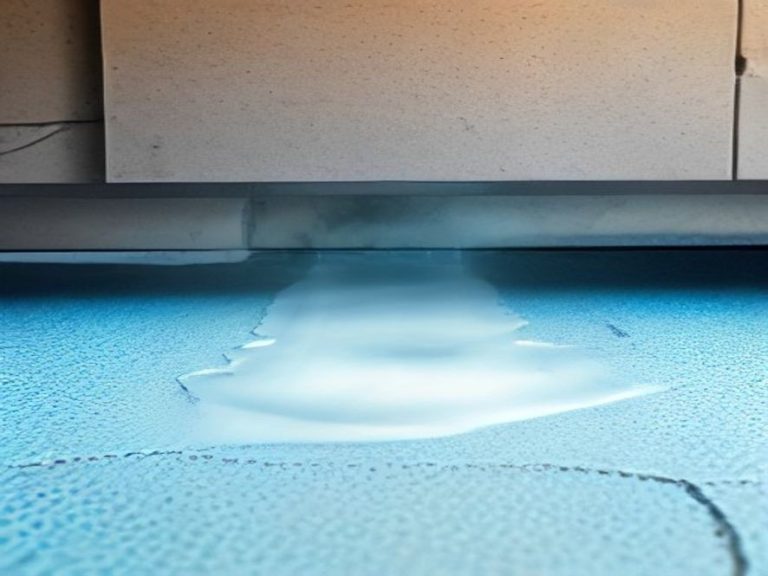
That moment you step in a cold puddle in your socks—right in front of the fridge—is both annoying and worrying. But before you panic, the fix is usually simpler than you think.
TL;DR
A wet floor in front of your refrigerator is almost always caused by a clogged defrost drain—a common and easy-to-fix issue. Other culprits include a cracked drain pan, an unlevel fridge, or a leaky water supply line. Most repairs take under 30 minutes with basic tools like a turkey baster and warm water. Regular maintenance every 6–12 months prevents the problem from returning.
Key Takeaways
- The defrost drain is the #1 suspect — it clogs with debris, causing water to back up and spill forward.
- Check your fridge’s level — a forward tilt directs water onto the floor instead of into the drain pan.
- Inspect the drain pan — if it’s cracked or misaligned, water escapes underneath.
- Water line leaks affect fridges with ice makers or dispensers—check connections at the back.
- Quick maintenance every few months saves you from bigger headaches and floor damage.
The Real Causes Behind Wet Kitchen Floors and How to Fix Them
Why Is Water Pooling in Front of My Refrigerator?
If you spot water right at the front of your refrigerator, you’re dealing with one of a handful of common problems. The good news? Most of them are easy to diagnose and fix yourself .
Let’s break down the most frequent culprits.
A Clogged Defrost Drain: The Most Common Cause
This is the number one reason your kitchen floor gets wet in front of the fridge. Here’s what happens:
Modern frost-free refrigerators automatically melt frost from their cooling coils several times a day. This creates meltwater that is supposed to flow through a small drain hole, down a tube, and into a shallow pan underneath the appliance where it evaporates harmlessly .
“If the defrost drain tube gets clogged with food debris, ice, or mineral buildup, the melt water has nowhere to go.”
When the drain clogs, water backs up inside the refrigerator or freezer compartment, overflows, and gravity pulls it forward—right onto your kitchen floor .
How to confirm it’s the defrost drain:
- Water appears only after the fridge has been running for a while
- You notice ice buildup at the bottom of the freezer or on the back wall
- The drip pan underneath is bone dry (water never reaches it)
Step-by-Step Fix for a Clogged Defrost Drain
Tools you’ll need: turkey baster or large syringe, hot (not boiling) water, flexible wire or pipe cleaner, towels, and optional bleach for sanitizing.
- Unplug the refrigerator for safety.
- Remove freezer drawers and shelves to access the back panel.
- Locate the drain hole—it’s usually in the center, under the evaporator coils, and looks like a small dimple or funnel.
- Flush with warm water using the turkey baster. If water backs up and doesn’t drain, you’ve confirmed the clog.
- Clear the blockage—gently push the wire into the drain hole and wiggle to break up debris. Flush again with warm water until water flows freely .
- Sanitize: mix 1 teaspoon of bleach in a cup of water and flush the drain one last time to prevent mold growth .
- Check the drain tube exit at the back/bottom of the fridge—make sure it’s positioned over the drip pan and not kinked.
- Dry everything, reassemble, and plug the fridge back in.
Most people fix this in 15–30 minutes once they know what to look for .
A Frozen Drain: When Ice is the Enemy
If humid air enters the freezer (perhaps after leaving the door open), the drain inlet can freeze over. This creates an ice blockage that prevents water from flowing out. The fix is simple: unplug the fridge, remove the freezer rear panel, and melt the ice with warm water using a baster until you see water flow to the pan. Then check your door seals and leveling to prevent recurrence .
The Fridge Isn’t Level
If your refrigerator tilts forward instead of slightly backward, water that should drain to the rear of the appliance ends up flowing toward the front and onto your floor .
How to fix it:
- Pull the unit forward carefully.
- Place a level on the top edge or an inside shelf.
- Adjust front leveling feet so the fridge is slightly higher in the front (about ¼ inch or 3–6 mm).
- Recheck doors—they should close firmly without bouncing back .
The Drain Pan: Cracked or Out of Place
Underneath the refrigerator sits a drain pan (also called a drip pan) that collects the defrost water. The compressor’s heat normally evaporates this water before it overflows. But if the pan cracks, gets knocked out of position, or fills faster than it can evaporate, water ends up on the floor .
How to fix it:
- Pull the fridge forward (after unplugging).
- Locate the drain pan near the compressor.
- Inspect for cracks, warping, or overflowing.
- Reseat the pan properly—if cracked, replace it with a model-specific part .
Water Supply Line Leaks
If your refrigerator has an ice maker or water dispenser, it connects to your home’s water supply. The supply line—typically a thin plastic tube or copper line—can develop cracks, or fittings can loosen over time. Water drips from the back and runs underneath to the front .
How to fix it:
- Pull the refrigerator away from the wall.
- Inspect the supply line and connections for visible drips, cracks, or wet spots.
- Tighten loose compression fittings with a wrench.
- Replace cracked sections of tubing .
Always shut off the water supply before touching any water line or filter.
Door Gasket Issues
A worn or dirty door seal (gasket) allows warm, humid air into the refrigerator. This creates excess condensation, which can drip down and look like a leak. If you close a thin strip of paper in the door and it slides out easily, the seal isn’t working properly .
How to fix it:
- Clean seals regularly with warm, soapy water.
- Look for cracks, warping, or anything preventing an airtight closure .
- Replace the gasket if it’s damaged.
Comparison Table: Kitchen Floor Wetness Causes at a Glance
| Problem | Location of Water | Difficulty Level | Cost | Quick Fix |
|---|---|---|---|---|
| Clogged Defrost Drain | Front of fridge, under crisper drawers | Easy | Free–$5 | Flush with warm water and clear debris |
| Frozen Drain | Front or inside freezer | Easy | Free | Thaw with warm water; check seals |
| Unlevel Fridge | Front corners | Easy | Free | Adjust front leveling feet |
| Cracked Drain Pan | Underneath the unit | Moderate | $20–$50 | Replace with model-specific pan |
| Water Supply Line Leak | Back or underneath | Moderate | $10–$30 | Tighten connections or replace tubing |
| Door Gasket Issue | Front, near door edges | Moderate | $50–$150 | Clean or replace damaged seal |
Quick Symptom Map
- Water on the kitchen floor, front of fridge → Leveling, drain pan, or defrost drain clog
- Water inside fridge, under crisper drawers → Clogged defrost drain
- Water behind the unit → Supply line or inlet valve issue, or overflowing drain pan
- Water only after ice maker cycles → Ice maker fill tube or valve problem
- Condensation on walls or ceiling inside → Door seal or humidity problem
Prevention Tips
“Most kitchen problems come from small maintenance habits that are often ignored.”
To keep your kitchen floor dry and your refrigerator happy:
- Flush the defrost drain every 6–12 months with warm water and a splash of vinegar or bleach as routine maintenance .
- Keep the area behind and under the fridge clean so dust doesn’t get sucked into the drain line .
- Replace water filters regularly—it reduces pressure changes that can encourage leaks .
- Check door seals—wipe them clean and look for rips or cracks.
- If you live in a very humid climate, consider maintaining the drain every 3–4 months .
FAQ
Q: Why is water pooling in front of my refrigerator?
A: It’s almost always a clogged defrost drain. Meltwater backs up and spills forward onto the floor .
Q: How do I fix a clogged defrost drain?
A: Unplug the fridge, locate the drain hole in the freezer, flush it with warm water using a turkey baster, and gently clear debris with a flexible wire .
Q: Why is my refrigerator leaking water inside?
A: The defrost drain is likely blocked, causing water to back up into the fresh-food compartment .
Q: How do I know if my water supply line is leaking?
A: Pull the fridge out and inspect the thin plastic or copper line at the back for cracks, drips, or wet spots .
Q: Should I call a professional for a refrigerator leak?
A: If flushing the drain doesn’t solve it, or you see water coming from the water filter housing or door dispenser area, it’s time to call a technician .
Q: Can a refrigerator leak damage my floor?
A: Yes. Water can warp hardwood floors, damage cabinets, and encourage mold growth, so address leaks quickly .
Q: How often should I check my refrigerator’s drain?
A: Every 6–12 months, or every 3–4 months in humid climates .
Which kitchen problem do you want solved next? Share your thoughts in the comments.
Practical Refrigerator Maintenance and Repair Guide – Trusted Appliance Sources:
- Appliance Depot – Refrigerator Water Leak Fix Guide
- Vancouver Appliances – Causes & Step-by-Step Fixes
- Duncan Home Services – Prevention & Repair Tips
Information Source Disclaimer: This article incorporates insights from multiple appliance repair and home maintenance resources for educational purposes. Always consult your refrigerator’s user manual and consider professional help for complex repairs.