Why Is the Pipe Under My Kitchen Sink Wet but Not Leaking?
That damp pipe under your sink is frustrating—but it’s not always a leak, and knowing the difference saves you time and worry.
TL;DR
If your pipe is wet but you can’t find a drip or puddle, condensation is usually the culprit. Cold water pipes “sweat” when warm, humid kitchen air meets their cool surface. But sneaky issues like loose fittings, worn washers, or hairline cracks can also cause moisture that’s hard to spot. A simple drying and testing process helps you identify the real source before calling a plumber.
Key Takeaways
- Condensation is common on cold water pipes in humid kitchens—copper pipes are especially prone to this.
- Intermittent leaks only appear when water runs, so they’re easy to miss during a quick check.
- Loose nuts and worn washers are frequent culprits that tightening or replacing can fix.
- Hairline cracks in plastic fittings are nearly invisible but can cause persistent dampness.
- Proper ventilation and pipe insulation prevent condensation from turning into a recurring problem.
The Most Likely Culprit: Condensation (“Sweating”)
Here’s the thing: water pipes don’t actually sweat—they just collect moisture from the air. When cold water runs through a pipe, the pipe’s surface drops below the dew point of the surrounding air. Warm, moist air hits that cold metal, and water vapor turns into liquid droplets.
Think about taking a cold can of soda out of the fridge on a humid day. Those water droplets on the can aren’t a leak—they’re condensation. The same thing happens under your kitchen sink.
Copper pipes are especially vulnerable because copper is excellent at transferring heat (and cold), making them more likely to sweat than plastic or steel pipes.
When Is Condensation Most Likely?
- Summer months or humid weather—warm air holds more moisture
- After cooking—boiling water, steam, and cooking release lots of moisture into your kitchen
- If your kitchen cabinet doors are always closed—poor airflow traps humid air
- If you have a tumble dryer in or near the kitchen—they generate significant moisture
Proper ventilation, like using your cooker hood or opening windows while cooking, reduces the humidity that causes condensation.
Other Sneaky Causes of Wet Pipes
If it’s not condensation, you might be dealing with a small, hard-to-spot issue. Here are the most common ones:
Intermittent Leaks
Some leaks only happen when water is actively flowing through the drain. This makes them easy to miss if you only glance under the sink when it’s dry.
Common spots include:
- Loose slip nuts on drain connections
- Worn washers inside compression fittings—they can look fine but have a tiny split
- The garbage disposal connection—leaks here often only show when the disposal runs
Hairline Cracks
Plastic fittings and pipes can develop almost invisible cracks that slowly weep water. These cracks are often hard to spot, especially on white plastic against a white background.
Stripped Threads
When fittings are tightened too much (overtightened), the threads can strip slightly. This creates a tiny gap where water seeps out slowly, even though everything looks tight.
Water Tracking Down from Above
Sometimes the wet pipe isn’t the source at all. Water from a leaking faucet base, failing caulk around the sink rim, or a spray nozzle can run down the outside of pipes and make them look wet.
How to Find the Real Source
Here’s a simple process to figure out what’s causing the wet pipe:
Step 1: Dry Everything Completely
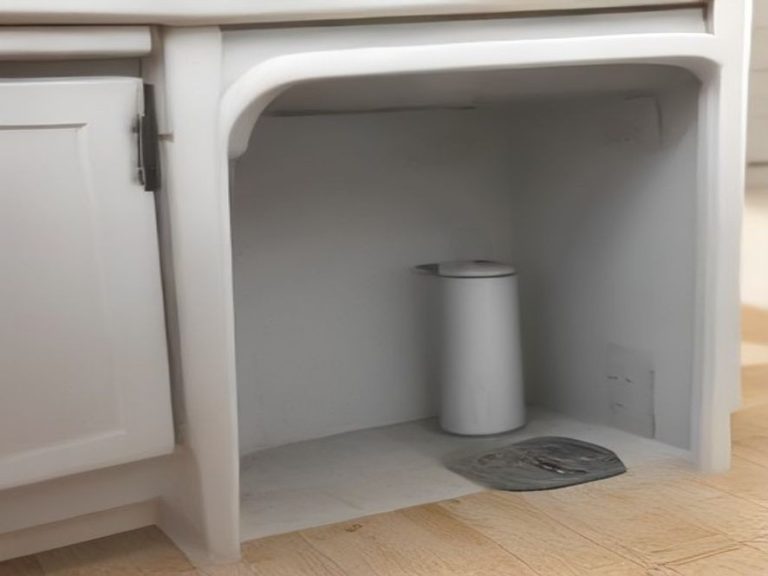
Empty your cabinet and dry every pipe, fitting, and the cabinet floor with towels. A clean, dry slate is essential for this detective work.
Step 2: The Paper Towel Test
Place dry paper towels under every connection and fitting. Position them where each pipe joins another—these are the most likely leak points.
Step 3: Run Water
- Run cold water for a minute and check the towels
- Then run hot water and check again
- Fill the sink and let it drain completely—this stresses the drain system
Step 4: Identify the Pattern
- Wetness spread across a large pipe area with droplets forming = condensation
- Wetness only at a specific joint = likely a leak at that connection
- No moisture during water tests but damp later = condensation or a slow, persistent weep
If you see moisture only after the dishwasher runs, check the dishwasher drain hose connection—that’s a common hidden leak spot.
How to Fix Each Problem
Fixing Condensation
- Insulate the cold water pipes with foam pipe lagging—this creates a barrier between the cold pipe and warm air
- Improve ventilation—leave cabinet doors open for a while, use your cooker hood, open windows when cooking
- Reduce kitchen humidity—cover boiling pots, use exhaust fans
Fixing Loose Connections
- Tighten slip nuts gently by hand first, then a quarter-turn with pliers
- Don’t overtighten—plastic fittings can crack easily
Fixing Worn Washers
- Disassemble the fitting and check the rubber washer or O-ring
- Look for cracks, flattening, or worn edges
- Replace with the same size—these are cheap and available at any hardware store
Fixing Hairline Cracks
- If you find a cracked fitting, replace the entire part
- Cracks can’t be reliably sealed—replacement is the safe fix
Comparison Table: Wet Pipe Causes
| Cause | How It Looks | When It Happens | Fix |
|---|---|---|---|
| Condensation | Droplets spread across the pipe, no single drip point | In humid weather or after cooking | Insulate pipes, improve ventilation |
| Loose fitting | Wetness only at a connection joint | When water is running | Tighten gently with pliers |
| Worn washer | Small drip from a nut or valve | During or after water use | Replace the washer |
| Hairline crack | Persistent dampness, hard to spot the source | All the time, slowly | Replace the cracked part |
| Tracking from above | Wet pipe but the source is higher up | During cleaning or after spills | Fix faucet seal or recaulk sink rim |
FAQ Section
Why is my cold water pipe wet but not dripping?
Most likely condensation—warm, humid kitchen air meets the cold pipe surface and creates moisture droplets.
Can condensation damage my kitchen cabinets?
Yes, over time, repeated moisture can cause wood rot, mold growth, and cabinet damage. Insulate pipes and improve ventilation.
How do I know if it’s a leak or condensation?
Condensation usually covers a wide pipe area; a leak is typically concentrated at a single joint or fitting.
Do I need to call a plumber for a wet pipe?
Try the drying and testing process first. If you find a leak you can’t fix or the cause remains unclear, call a professional.
Will pipe insulation stop condensation completely?
Yes, foam pipe insulation prevents warm air from reaching the cold pipe surface, eliminating condensation.
Which kitchen problem do you want solved next? Share your thoughts in the comments.
Trusted Resources for Kitchen Plumbing Troubleshooting: