Why Is My Kitchen Sink Leaking Underneath? Complete Guide to Causes, Solutions, and How to Fix It
You reach under the kitchen sink to grab a new trash bag, and your hand lands in a puddle of water—suddenly, that damp, musty smell you noticed last week makes sense.
TL;DR
A leak underneath your kitchen sink usually comes from one of three areas: drain pipes (P-trap and connections), water supply lines, or the sink strainer gasket. To fix it, first identify the source by drying everything and running water to see where drips appear. Simple fixes include tightening loose slip nuts, replacing worn rubber washers, or applying plumber’s putty to the drain basket. If the leak is constant even when the sink is off, check the supply lines. For cracked pipes or persistent leaks, call a plumber.
Key Takeaways
- Most under-sink leaks appear only when water is running—this points to drain pipe issues like the P-trap or slip joint connections .
- A leak that happens even when the sink is off likely comes from pressurized supply lines or a faulty shut-off valve .
- The rubber seal under the sink strainer is a common hidden culprit—it can degrade or become misaligned over time .
- Loose connections are the #1 cause—vibrations from daily use can gradually loosen slip nuts .
- Don’t ignore a slow leak—moisture under the sink can lead to mold growth within 24–48 hours .
The Real Causes Behind an Under-Sink Leak and How to Fix Them
That puddle under your kitchen sink can come from several places. The good news is that most causes are simple to identify and fix yourself. Let’s break down each potential source.
Why Under-Sink Leaks Happen: Common Culprits
Loose or Damaged Drain Pipe Connections
The curved P-trap and the straight pipes connected to it rely on slip nuts and rubber washers to stay watertight. Over time, vibrations from running water or accidentally bumping the pipes can loosen these connections . When you run water, it seeps through the gaps. A simple quarter-turn tightening with a wrench often solves this.
If the rubber washers inside the slip nuts have hardened or cracked, tightening won’t help—you’ll need to replace them .
Worn-Out Sink Strainer Gasket
The sink strainer is the metal basket you see in the drain hole. Underneath the sink, a large rubber gasket seals this assembly to the sink itself. When this gasket deteriorates or shifts, water from the sink bowl leaks down the outside of the drain pipe. This type of leak often looks like water dripping from the very top of the pipe assembly .
Failed Water Supply Lines
These flexible hoses bring hot and cold water to your faucet. They’re always under pressure, so a leak here means water drips constantly—even when the faucet is off. Check where they connect to the shut-off valves and where they attach to the faucet base . Braided stainless steel lines can develop tiny pinhole leaks over time.
Faulty Faucet Base Seal
If water runs from the faucet base down the countertop, it can seep through the mounting hole and collect in the cabinet below . The O-rings or seal around the faucet base have failed, and the leak source is actually above the sink.
Blocked Drain Causing Back Pressure
A partial clog in the drain can cause water to back up, putting pressure on the seals and joints . This added pressure can force water out through weak points. If your sink drains slowly and leaks at the same time, start by clearing the blockage.
Step-by-Step Guide: How to Find and Fix an Under-Sink Leak
Before grabbing any tools, do this first: clear everything out from under the sink, dry all pipes and surfaces with paper towels, and place a bucket underneath to catch drips. Then follow these steps.
Step 1: Identify the Exact Leak Source
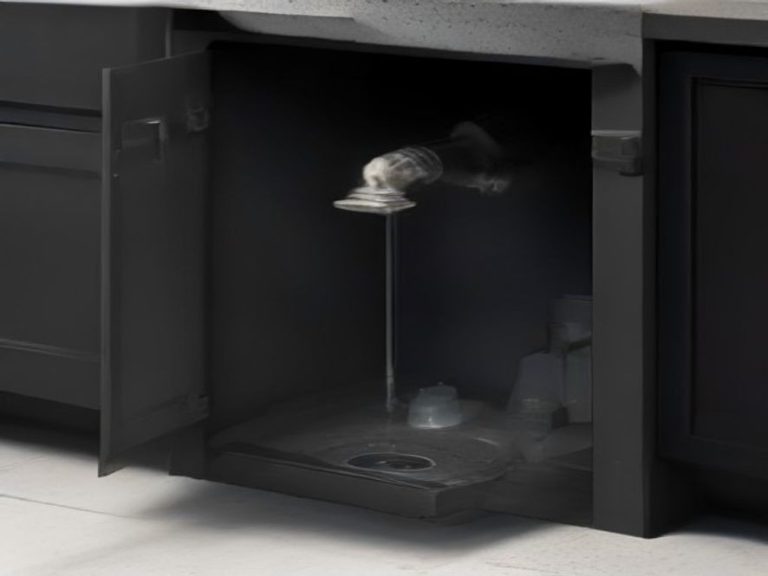
Run water through the sink while watching underneath with a flashlight. You’re looking for the highest point where water appears—that’s where the leak starts.
- If the leak only happens when water is draining, it’s in the drain line—P-trap, slip joints, or tailpiece .
- If the leak happens even when the sink is off, it’s the supply lines or shut-off valves .
- If water drips from the very top of the drain assembly, it’s the sink strainer gasket .
Step 2: Tighten Loose Connections
For drain pipes, try tightening the slip nuts by hand first, then give them a gentle quarter-turn with pliers or a wrench . Never overtighten plastic fittings—they can crack, making the problem worse .
For supply lines, hold the valve body with one wrench while tightening the compression nut with another .
Step 3: Replace Worn Washers and Seals
If tightening doesn’t work, the rubber parts have likely failed:
- Turn off the water supply to the sink.
- Unscrew the leaking connection and remove the old rubber washer or O-ring.
- Take it to the hardware store to match the size exactly.
- Install the new washer, reassemble the fitting, and test .
Step 4: Fix a Leaking Sink Strainer Gasket
This is one of the most common and fixable leaks:
- Place a bucket under the drain.
- From above the sink, remove the strainer basket (you’ll need to loosen the large nut underneath).
- Clean off all old plumber’s putty from both the sink and the strainer.
- Apply a fresh rope of plumber’s putty around the underside of the strainer flange.
- Reinstall and tighten the nut underneath. Wipe away excess putty .
Step 5: Try a Temporary Patch for Small Cracks
For a hairline crack in a plastic drain pipe, clean and dry the area thoroughly, then apply epoxy putty as a temporary fix . This buys you time but isn’t a permanent solution. Don’t use putty on pressurized supply lines—it won’t hold .
Step 6: When to Call a Professional
Call a plumber if:
- The leak continues after you’ve tried tightening and replacing washers.
- You find a cracked pipe or fitting that needs replacement.
- The shut-off valve itself is leaking or won’t turn off.
- You’re not comfortable working with plumbing connections.
Comparison Table: Common Under-Sink Leak Types
| Leak Location | When It Occurs | Most Common Fix | DIY Difficulty |
|---|---|---|---|
| P-trap or slip joints | Only when water drains | Tighten nuts or replace washers | Easy |
| Sink strainer gasket | When sink has water in it | Replace plumber’s putty | Moderate |
| Water supply lines | Constant, even when off | Tighten or replace supply hose | Moderate |
| Faucet base | When faucet runs | Replace O-rings | Moderate |
| Shut-off valve | Constant or when valve is used | Tighten packing nut or replace valve | Hard |
Chart: How Quickly Moisture Damage Can Develop Under Your Sink
FAQ: Your Common Questions Answered
Why is my kitchen sink leaking underneath but the pipes look dry?
The leak could be coming from the faucet base above the sink, running down through the mounting hole. Check the countertop around the faucet base while the water is running .
Can I use plumber’s tape to fix an under-sink leak?
Plumber’s tape works on threaded connections if you disassemble and reapply it properly—wrapping it around an already-tight connection won’t help .
How do I know if my P-trap is leaking?
Run water and check the curved pipe—if water drips from the connections at the top or bottom of the curve, the slip nuts need tightening or new washers .
Why does my sink only leak after the dishwasher runs?
The dishwasher drain hose connects to the sink drain, and water pressure from the dishwasher can force water out through loose connections in that area .
Is an under-sink leak an emergency?
A slow drip isn’t a 24-hour emergency, but it needs fixing soon—mold can start growing within 48 hours in damp cabinets .
Final Thoughts
A leak underneath your kitchen sink can feel intimidating, but most cases come down to loose connections or worn rubber parts—fixes that take under 30 minutes. The key is catching it early. Make it a habit to open your sink cabinet and run your hand along the pipes every few months—it’s the easiest way to catch a problem before it becomes a repair bill.
And remember: if you’re ever unsure, there’s no shame in calling a professional. A plumber’s visit is cheaper than replacing water-damaged cabinets and flooring.
Which kitchen problem do you want solved next? Share your thoughts in the comments.
How to fix a leaking pipe under a kitchen sink: A practical guide to causes, DIY repairs, and knowing when to call a plumber.