Why Is My Kitchen Sink Plumbing Making a Knocking Noise? A Complete Guide to Causes and Fixes
You’re cleaning up after dinner, you turn off the faucet, and BANG—a loud knock echoes from under the sink. It’s jarring, and you can’t help but wonder if something’s about to break.
That knocking noise is your plumbing’s way of telling you something isn’t right. The good news? It’s usually fixable without calling a plumber. This guide explains what’s causing the racket and the best way to silence it for good.
TL;DR
Knocking or banging from kitchen plumbing is most often water hammer—a shockwave created when fast-moving water stops suddenly against a closed valve. Other causes include loose pipes that rattle against walls, waterlogged air chambers that have lost their cushion, high water pressure, or a faulty washer in the shut-off valve . Fixes range from closing the faucet more slowly and recharging air chambers to installing water hammer arrestors or securing loose pipes with straps.
Key Takeaways
- Water hammer is a pressure shockwave: Water doesn’t compress, so when it stops abruptly, its momentum creates a bang that travels through pipes.
- Modern faucets make it worse: Newer ceramic-disc faucets shut off water almost instantly, creating sharper shockwaves than old screw-down taps .
- Loose pipes amplify the noise: Unsecured pipes jump and rattle against framing when the shockwave hits .
- Air chambers can get waterlogged: These built-in shock absorbers fill with water over time and stop working—draining your system can recharge them .
- Don’t ignore it: Over time, repeated shockwaves can weaken joints and cause leaks .
The Real Causes Behind That Knocking Noise and How to Fix Them
When you hear a knock or bang from your kitchen plumbing, it’s usually one of a few things. Here’s what’s likely happening and what to do about it.
Water Hammer: The Most Common Culprit
Water hammer happens when water rushing through a pipe suddenly stops—like when you quickly shut off a faucet. Water doesn’t compress, so the inertia of the moving water stresses the pipes, causing them to flex and jump . This creates that loud banging sound.
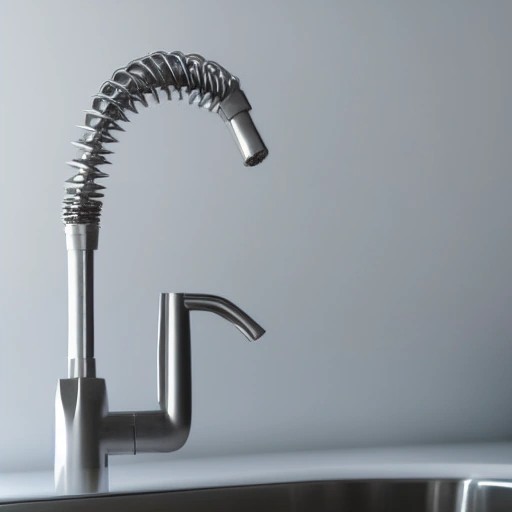
Why it’s happening now: If you’ve recently installed a new kitchen faucet, that’s often the trigger. Modern taps with ceramic discs or quarter-turn valves shut off water faster than older multi-turn taps, which means a sharper shockwave .
How to fix it:
- Close the faucet more slowly. This is the simplest, free fix. Ease the handle shut instead of snapping it off .
- Recharge your air chambers. Homes built since the late 1990s have air chambers—short vertical pipes designed to trap air and cushion the shockwave. Over time, these chambers fill with water and stop working . To fix this :
- Turn off the main water supply (usually a valve under your kitchen sink).
- Open all faucets and let the system drain completely.
- Slowly turn the main valve back on (a quarter-turn every 15 seconds).
- Close the faucets once water flows steadily. The air should be restored.
- Install a water hammer arrestor. If recharging doesn’t work, install a small arrestor under the sink on the supply line . These devices contain a sealed air or gas cushion with a piston that absorbs the shockwave . They’re more reliable than air chambers because they can’t become waterlogged. Install the arrestor as close to the problem faucet as possible, ideally at the end of the line where the valve is .
Note: Some sources recommend having a plumber install these to ensure proper placement and avoid issues .
Loose Pipes Rattling Against Surfaces
Sometimes the noise isn’t the shockwave itself—it’s the pipe physically moving and hitting something. When a pressure wave travels through poorly strapped lines, the pipe becomes a hammer, slamming against wood, metal, or cabinets .
What to do:
- Check under the sink for pipes that move when you wiggle them.
- Tighten any loose brackets or clamps. Add pipe straps to hold pipes firmly in place .
- Use rubber-lined clamps or foam insulation sleeves to cushion pipes and stop metal-on-metal contact .
High Water Pressure
If your home’s water pressure is too high, it makes water hammer worse. The higher the pressure, the stronger the shockwave. Ideal pressure is between 40 and 60 psi .
What to do:
- Test your water pressure with a simple gauge .
- If it’s above 80 psi, you may need to adjust or install a Pressure Reducing Valve (PRV). Most properties built since 2001 should already have one . This is typically a job for a professional plumber.
Faulty Washer in the Shut-Off Valve
If the knocking happens when using hot water, especially with the dishwasher, the problem could be a loose washer in the angle valve under the sink. As water flows, a loose washer can vibrate and create noise .
What to do:
- Turn off the water supply and inspect the valve stem.
- Tighten the screw holding the washer in place, or replace the washer entirely .
Simple Tips to Prevent Future Knocking
- Train yourself to close faucets gently: A slow close gives water time to decelerate and reduces the shockwave significantly.
- Secure visible pipes: Regularly check under the sink and in exposed areas for loose pipes.
- Monitor water pressure: Periodically test your home’s water pressure to ensure it stays in the safe range .
- Regular maintenance: Over time, parts like washers and valves wear out. Replacing them before they fail prevents noise and leaks .
When to Call a Professional Plumber
Call a plumber if :
- The noise persists after you’ve tried the basic steps—you may need an expansion tank or more complex diagnosis.
- The knocking is accompanied by rattling from inside the walls—this suggests pipes that are hard to reach.
- You suspect high water pressure is the cause—a plumber can safely adjust or install a PRV.
- The knocking happens randomly when no water is in use—this can indicate a faulty stopcock or toilet fill valve .
- You simply don’t feel comfortable working on your plumbing. A licensed plumber can diagnose the exact source and fix it quickly.
“Most kitchen pipe knocking comes from a simple combination of quick-closing faucets, lost air cushions, and loose pipes. A gentle hand and a few basic fixes are often all it takes to bring peace and quiet back to the kitchen.”
Frequently Asked Questions (FAQs)
1. Why does my kitchen sink only make a knocking noise when I shut the water off?
That’s water hammer, caused by the sudden stop of moving water. Closing the faucet slowly gives water time to slow down gently, avoiding the shockwave .
2. What’s the difference between water hammer and rattling pipes?
Water hammer is a single bang or series of bangs when water is shut off. Rattling or clunking that happens while water is running usually points to loose pipes that need securing .
3. Can water hammer damage my pipes?
Yes. Over time, repeated shockwaves can weaken joints, create leaks, or cause damage to appliances. It’s worth addressing .
4. Is installing a water hammer arrestor a difficult DIY project?
Installing a small arrestor under the sink on an accessible supply line is a moderate DIY task. However, for the best results and to avoid issues, many recommend having a plumber handle it .
5. Why does the knocking only happen with hot water?
If the noise only occurs with hot water, the problem may be a loose washer in the angle valve that supplies both the faucet and the dishwasher . It could also be related to the hot water heater or expansion of copper pipes from heat .
References
Trusted Sources for Kitchen Sink Plumbing Troubleshooting:
- Las Vegas Review-Journal – Debris in Valve Likely Culprit of Knocking
- Scottish Water – Noise in Pipes Guide
- Viomi – Water Hammer vs. Air in Pipes Guide
- Houzz – Water Hammer Solution Discussion
Which kitchen problem do you want solved next? Share your thoughts in the comments.