Why Does My Kitchen Smell Like Sewage? Causes and Fixes
You’ve scrubbed the counters, taken out the trash, and even run the disposal—but that unmistakable rotten-egg stench of sewage is still making your kitchen unbearable.
TL;DR
A sewage smell in your kitchen is usually caused by sewer gas escaping through a dry P-trap, food and grease buildup in the drain, or a blocked plumbing vent. The P-trap is a U-shaped pipe that holds water to block gases—if it dries out or cracks, the smell comes through . Grease coating the inside of pipes can also decompose and release hydrogen sulfide gas . Start by running water to refill the P-trap, then try a baking soda and vinegar treatment. If the smell persists, call a plumber to check for vent blockages or cracked pipes .
Key Takeaways
- The P-trap under your sink holds water that blocks sewer gases—if it dries out, cracks, or leaks, the smell rises into your kitchen
- Grease and food buildup inside pipes decompose and release hydrogen sulfide gas, which smells exactly like rotten eggs
- Clogged plumbing vents can force sewer gas back into your home instead of venting outside
- Sewer gas contains harmful gases like hydrogen sulfide and methane, which can cause headaches, dizziness, and even pose an explosion risk in high concentrations
- Simple DIY fixes usually work: run water for a minute, use baking soda and vinegar, and clean visible drain parts
Understanding Sewer Gas and Why It Stinks
Sewer gas is the byproduct of decomposing organic waste in your plumbing system. The foul smell is primarily caused by hydrogen sulfide, which gives off that classic rotten-egg odor . But that’s not all—sewer gas also contains methane (flammable and odorless), ammonia, and carbon dioxide .
While small amounts are mostly a nuisance, larger concentrations or prolonged exposure can cause health issues. The U.S. Agency for Toxic Substances and Disease Registry warns that exposure to high levels of hydrogen sulfide can result in headaches, dizziness, nausea, and eye or respiratory irritation . Methane also creates an explosion risk in enclosed spaces .
4 Main Causes of Sewage Smell in Your Kitchen
1. Dry or Damaged P-Trap
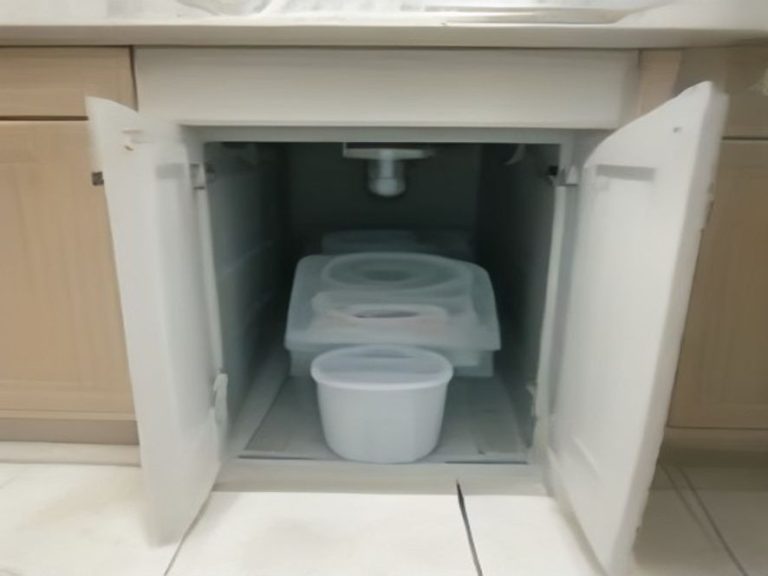
This is the most common cause. The P-trap is the U-shaped pipe under your kitchen sink. It’s designed to hold a small amount of water at all times—this water creates a seal that blocks sewer gases from rising through the drain .
Why it fails:
- The water evaporates if you don’t use the sink for a while (like after a vacation or in a rarely used guest kitchen)
- The trap cracks or leaks, causing the water to drain out
- Poor venting or changes in water pressure can siphon the water out
How to fix it: Sometimes the fix is as simple as running water down the drain for a minute or two to refill the trap . If the smell returns quickly, you may have a leak or crack that needs professional attention .
2. Grease and Food Buildup in the Drain
Kitchen drains deal with a lot of grease, oil, and food scraps. When warm grease goes down the drain, it cools and sticks to the pipe walls. Over time, this creates a greasy coating that traps food particles .
Why it stinks: Bacteria feast on this trapped material and release hydrogen sulfide gas—the same gas responsible for rotten egg smells . This is why the smell often gets worse when you run hot water—the heat softens the grease and releases the trapped odors .
How to fix it: A baking soda and vinegar treatment can help loosen the grease film. Pour baking soda down the drain, follow with vinegar, let it fizz for 10-15 minutes, then flush with very hot water . This doesn’t fix physical blockages but works well for grease coating .
3. Blocked or Clogged Plumbing Vents
Your plumbing system has vent pipes that run up through your roof. These vents serve two purposes: they let air into the drain system so water flows smoothly, and they allow sewer gases to escape safely outside .
Why it fails: When a vent becomes blocked by leaves, debris, bird nests, or ice, the gases have nowhere to go and are forced back through your drains and into your kitchen .
Signs of a blocked vent:
- The smell comes from multiple drains in your home
- You hear gurgling sounds when water drains
- The toilet gurgles when you run the kitchen sink
- Water drains slowly from multiple fixtures
How to fix it: Vent clearing requires roof access and is typically a professional repair .
4. Cracked or Damaged Pipes
Sometimes the problem is physical damage to your plumbing. Cracked pipes, loose connections, or worn-out seals can allow sewer gas to escape before it reaches the outside vent . In older homes, cast iron drain lines can develop cracks or corrosion over time .
How to fix it: These issues usually require professional diagnosis and repair. A plumber can perform a video inspection to find the exact location of the damage .
DIY Fixes: What Works and What Doesn’t
Fixes That Actually Work
| Fix | When to Use It |
|---|---|
| Run hot water for 30-60 seconds | Dry P-trap after vacation or long periods of non-use |
| Baking soda + vinegar + hot water | Grease coating on pipe walls (not for physical clogs) |
| Clean visible drain parts (stopper, rubber seal) | Surface buildup at the drain entrance |
| Clean the garbage disposal gasket | Smell coming specifically from the disposal area |
Fixes That Only Mask the Problem
| “Fix” | Why It Doesn’t Work |
|---|---|
| Baking soda and vinegar alone | Loosens surface grease but doesn’t reach biofilm 6-18 inches into the pipe |
| Store-bought drain gels and foams | Same limitation as baking soda and vinegar |
| Air fresheners and drain deodorizers | Treat the odor in the room, not the bacteria producing the gas |
Step-by-Step: How to Eliminate Sewage Smell
Step 1: Refill the P-Trap
Run water down the drain for 1-2 minutes. If the smell disappears, you’ve fixed it .
Step 2: Clean the Visible Drain
Remove the stopper and rubber seal from the sink. Clean them thoroughly with dish soap and a scrub brush. Grease trapped under the rubber folds is a common odor source .
Step 3: Try Baking Soda and Vinegar
Pour ½ cup of baking soda down the drain, then add 1 cup of white vinegar. Let it fizz for 10-15 minutes, then flush with very hot water poured at a steady rate . The hot water is crucial—it carries the loosened grease past the trap .
Step 4: Clean the Garbage Disposal
- Remove and clean the rubber splash guard
- Grind ice cubes and citrus peels to clean the blades
- Run cold water during and after use
Step 5: Call a Plumber If…
- The smell comes from multiple drains in your home
- You hear gurgling when water drains
- The smell returns within a few days after cleaning
- Water drains slowly or backs up
- You see soggy ground or unusually lush grass near your foundation
“Most kitchen problems come from small maintenance habits that are often ignored.”
Prevention: How to Keep the Sewage Smell Away
| Prevention Habit | Why It Helps |
|---|---|
| Run water in little-used sinks weekly | Prevents P-trap from drying out |
| Never pour grease down the drain | Prevents grease buildup on pipe walls |
| Wipe grease from pans before washing | Reduces grease going into the drain |
| Run hot water after heavy cooking | Washes away fresh grease before it cools |
| Flush with boiling water weekly | Melts and removes grease film |
| Add mineral oil to drains before vacation | Forms a layer over water to slow evaporation |
Pro tip for long trips: Before leaving for vacation, pour a glass of water down the drain, then place a lightly dampened paper towel over the drain opening. This slows evaporation and keeps the water seal intact .
FAQ
Why does my kitchen smell like sewage when I run hot water?
This usually means grease coating the pipe walls is releasing trapped odors when heated. A baking soda and vinegar treatment followed by hot water often fixes this .
Why does my kitchen smell like sewage after cleaning?
You may have missed the P-trap—if it’s dry, cracked, or leaking, cleaning won’t fix it. Run water for a minute or check for leaks .
Can sewage smell make you sick?
In small amounts, it’s mostly unpleasant. Higher concentrations can cause headaches, dizziness, and nausea. Methane also poses an explosion risk .
How do I know if my P-trap is dry?
The smell appears after you haven’t used the sink for a while. Running water for a minute usually fixes it .
Why does my kitchen smell like sewer but no other drains do?
The problem is likely isolated to your kitchen drain—either a dry P-trap, grease buildup, or a localized vent issue .
What if the smell comes from multiple drains?
This points to a blocked main vent pipe or a problem with the main sewer line. Call a plumber .
Can pouring bleach down the drain fix sewage smell?
No—bleach can create toxic fumes when mixed with other drain contents and may damage pipes and seals. Stick to baking soda and vinegar .
References
Trusted sources for kitchen plumbing troubleshooting and odor solutions:
- Angi – Sewer Gas in Kitchen Plumbing: Causes and Prevention
- Angi – What Is a P-Trap and How It Works
- Tasting Table – Why Your Kitchen Sink Still Smells Like Sewer
- Reichelt Plumbing – Kitchen Drain Sewage Smell Causes
Which kitchen problem do you want solved next? Share your thoughts in the comments.