Why Does My Kitchen Sink Smell Musty? Common Causes and Fixes
You’ve wiped the counters, taken out the trash, and mopped the floor, but that damp, earthy smell still lingers every time you step near the sink.
TL;DR
A musty kitchen sink smell comes from trapped moisture, food residue, and grease in the drain or P-trap, which create the perfect environment for mold and bacteria to grow . The most effective fix is a deep clean using baking soda and vinegar, followed by a hot water flush . If the smell returns, the issue might be a dirty P-trap that needs physical cleaning or a dry water seal letting sewer gases escape .
Key Takeaways
- The musty smell is caused by gunk in the drain: Over time, food scraps, grease, and soap scum build up on pipe walls, feeding bacteria and mold that produce that unpleasant odor .
- Your sink can look clean but still smell: The visible sink bowl might be spotless while the hidden drain area is coated with decomposing residue .
- Baking soda and vinegar are your best tools: This natural combination breaks down grease and neutralizes odors without harsh chemicals .
- Prevention is simple: Avoid pouring grease down the drain, flush with hot water weekly, and keep the cabinet under your sink aired out .
The Real Causes Behind a Musty Sink and How to Fix It
Before you can eliminate the odor, you need to understand what’s causing it. Let’s break down the most common culprits.
Why Your Sink Drain Smells Musty
Even when your sink looks clean, the drain area can be a hidden source of odors. Here’s what’s happening:
- Food residue and grease buildup: When you wash dishes, tiny food particles and grease wash down the drain. Over time, grease sticks to the pipe walls and traps food debris, creating a sticky layer that bacteria love to feed on . This decomposing layer produces a musty, stale smell that rises back up through the drain .
- Mold and bacteria growth: The dark, damp environment inside your drain is the perfect breeding ground for mold and bacteria . As these microorganisms multiply, they release compounds that create that distinctive musty or mildew odor .
- The P-trap can trap gunk: The curved pipe under your sink, called the P-trap, is designed to hold water and block sewer gases. But it also catches food particles and grease, which can accumulate and decompose over time .
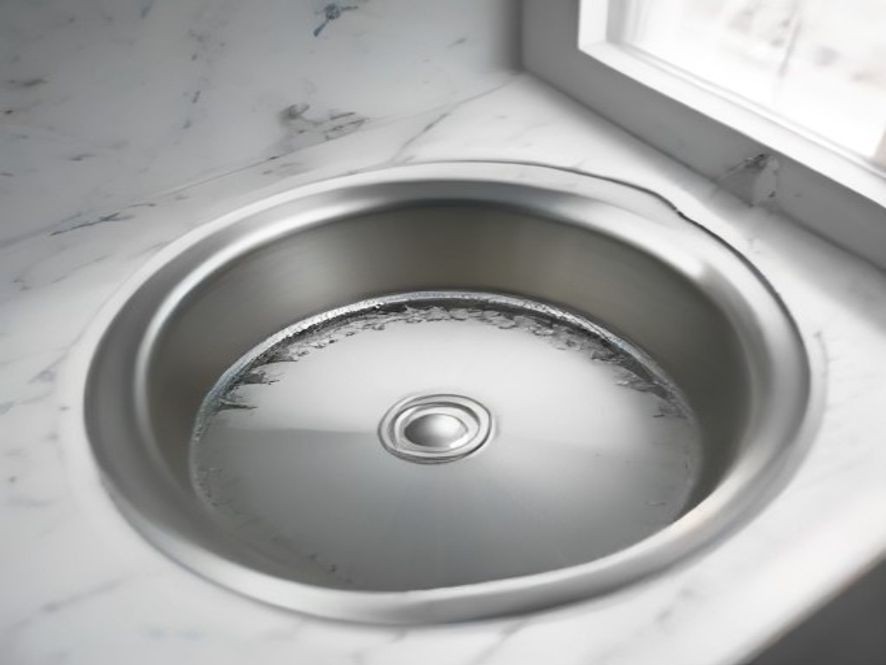
- Hidden grime under the drain cover: Even the plug hole cover can hide a significant build-up of gunk that you can’t see until you remove it .
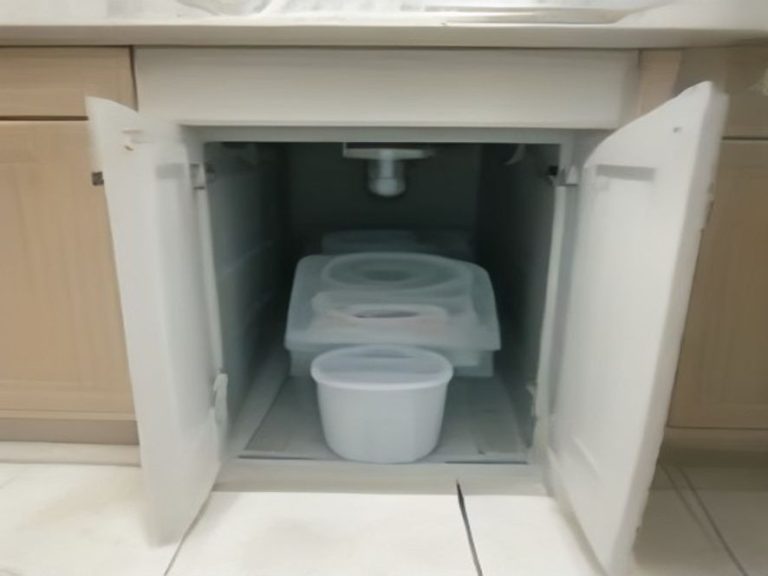
- Trapped moisture in the cabinet: The closed space under your sink traps damp air, which can make any existing odors hang around longer and even contribute to mold growth .
Is the Musty Smell Different from a Sewer Smell?
Yes. A musty or mildew smell comes from organic matter decomposing in the drain. A rotten egg or sewer smell usually indicates a broken seal, often from a dry P-trap letting sewer gases escape . Both need fixing, but the solution is slightly different.
A Step-by-Step Guide to Banishing the Musty Smell
Follow these simple steps to eliminate that musty odor for good.
Step 1: Start with a Hot Water Flush
Before you use any cleaners, flush the drain with very hot water. This melts some of the grease and loosens debris so the next steps work better .
- Boil a kettle or large pot of water.
- Slowly pour the hot water down the drain .
- Caution: If you have PVC pipes, use hot but not boiling water to avoid damaging them .
Step 2: The Baking Soda and Vinegar Deep Clean
This is the most effective natural method for tackling musty odors .
- Pour ½ cup of baking soda directly into the drain .
- Follow with ½ to 1 cup of white vinegar .
- Quickly cover the drain with a plug or stopper to keep the fizzing action working inside the pipe .
- Let it sit for 10 to 15 minutes .
- Flush with another pot of very hot water .
Step 3: Clean the Drain Stopper and Rubber Seal
Sometimes the smell is coming from right under the drain cover .
- If your sink allows it, unscrew the drain stopper using a spoon or screwdriver .
- Use a paper towel or brush to scrape away the brown gunk that has accumulated underneath .
- Wash the stopper, rubber seal, and screw in warm, soapy water, then reassemble .
Step 4: Check and Clean the P-Trap
If the smell persists after trying the steps above, the P-trap itself might be full of gunk .
- Place a bucket under the curved pipe to catch water.
- Use a wrench to loosen the slip nuts and carefully remove the trap .
- Clean out the debris and scrub the inside with a bottle brush .
- Reattach the trap and run water to check for leaks.
Step 5: Try an Enzyme Cleaner
For persistent odors, an enzyme-based drain cleaner can break down organic matter without damaging your pipes . Follow the product instructions carefully.
“Most kitchen problems come from small maintenance habits that are often ignored.” Regular drain cleaning is the key to a fresh-smelling kitchen.
Comparison of Common Musty Smell Fixes
| Method | Purpose | Effectiveness | Difficulty | Cost |
|---|---|---|---|---|
| Hot Water Flush | Melts grease and loosens debris | Medium | Very Easy | Free |
| Baking Soda and Vinegar | Breaks down grease and neutralizes odors | High | Very Easy | Low |
| Cleaning the Drain Stopper | Removes hidden gunk under the cover | High | Easy | Free |
| Physical P-Trap Cleaning | Removes deep buildup and clogs | Very High | Medium | Free |
| Enzyme Drain Cleaner | Breaks down organic matter gently | High | Easy | Medium |
How to Prevent Musty Sink Smells in the Future
Prevention is easier than deep cleaning. Follow these habits to keep your sink fresh:
- Never pour grease or oil down the drain: Let it cool and throw it in the trash .
- Flush with hot water weekly: This prevents grease from solidifying on pipe walls .
- Use a sink strainer: Catch food scraps and empty it in the trash .
- Wipe the drain area after washing: Remove food particles and moisture that can cause odors .
- Air out the cabinet: Leave the cabinet doors open occasionally to prevent trapped humidity .
- Run water in unused sinks: If a sink goes unused for a long time, the P-trap can dry out, letting sewer gases in .
Frequently Asked Questions
What causes a musty smell in my kitchen sink?
A musty smell is caused by a buildup of food residue, grease, and moisture in the drain, which creates the perfect environment for mold and bacteria to grow .
How do I get rid of a musty smell in my kitchen sink?
Pour ½ cup of baking soda down the drain, followed by ½ cup of white vinegar. Let it fizz for 10-15 minutes, then flush with hot water . This breaks down grease and neutralizes odors.
Can a dirty P-trap cause a musty smell?
Yes, the curved pipe under your sink can trap food particles and grease that decompose and produce odors . Cleaning it physically can solve stubborn smells.
Why does my sink still smell musty after I clean it?
The smell might be coming from a dirty P-trap or a dry water seal that allows sewer gases to escape. Try cleaning the trap or running water to refill the seal .
How can I prevent my sink from smelling musty?
Avoid pouring grease down the drain, flush with hot water weekly, use a sink strainer, and air out the cabinet under your sink .
Sources and references for sink maintenance and odor control:
- Drano® – Kitchen Sink Odor Guide
- Southern Living – Sink Drain Odor Solutions
- Real Simple – Natural Drain Cleaning
- Tasting Table – P-Trap Odor Guide
- Dalmatian Plumbing – Plumbing Odor Identification
Which kitchen problem do you want solved next? Share your thoughts in the comments.