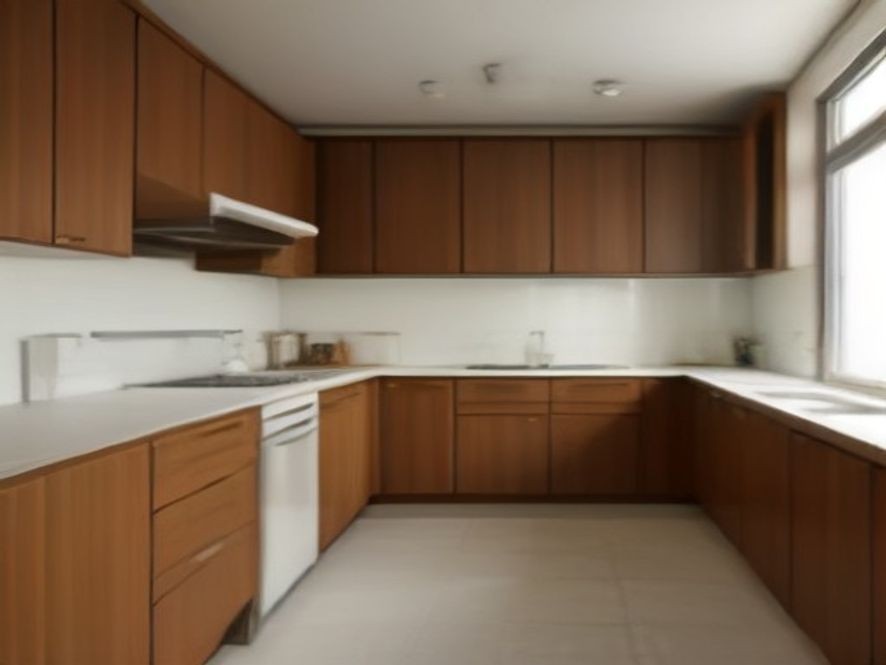
How to Deep Clean a Kitchen With Sticky Grease Everywhere: A Complete Room-by-Room Guide
That sticky film coating your cabinets, backsplash, and countertops isn’t just gross—it’s a magnet for dust and a feast for kitchen pests like ants and cockroaches .
You run your hand along the cabinet above the stove, and it feels tacky. You grab a spice jar, and your fingers come away greasy. Sticky grease everywhere is one of the most frustrating kitchen problems—it seems to spread to every surface and resists normal wiping. The good news? You don’t need harsh chemicals or expensive products. With a few simple supplies you likely already have, you can cut through even the heaviest grease buildup.
TL;DR
- The Secret Weapon: Dish soap and warm water are the most effective degreasing combo—surfactants in dish soap bind to grease so water can wash it away .
- Let It Sit: Apply your cleaning solution and let it sit for a few minutes. Time does the hard work, not your arm .
- Top-to-Bottom Rule: Always clean from upper cabinets down to floors so dirt and drips fall onto surfaces you haven’t cleaned yet .
- Natural Boosters: Baking soda adds gentle scrubbing power; vinegar dissolves grime through acidity .
Key Takeaways
- Heat Helps: Use the hottest water you can tolerate—it melts grease, making it easier to wipe away .
- Test First: Always test any cleaner on a small, hidden spot before going all in, especially on wood cabinets .
- Go Gentle: Avoid abrasive scrubbers like steel wool or scouring pads—they’ll scratch surfaces and damage finishes .
- Prevent Buildup: Wipe down surfaces near the stove weekly to prevent grease from hardening into that stubborn film .
The Science of Grease: Why It’s So Stubborn
Grease from cooking splatters doesn’t just sit on surfaces—it bonds to them. Over time, it attracts dust and airborne particles, creating that sticky, gummy film that’s so hard to remove . The secret to cutting through it is chemistry.
Dish soap works because of surfactants—molecules with a head that loves water and a tail that loves oil. When you apply soapy water, the tails embed themselves into the grease, surrounding it. The heads then pull the grease away with the water when you wipe or rinse .
Heat is your ally. Grease is solid at room temperature but liquefies when warm. Using hot water (as hot as you can tolerate) melts the grease, letting the soap work more effectively .
How to Clean Sticky Grease From Every Kitchen Surface
Step 1: Preparation
Before you start, gather your supplies and prepare your space :
- Empty cabinets if you’re tackling inside surfaces
- Vacuum dust and crumbs from tops of cabinets and corners
- Protect countertops if using vinegar (especially stone—vinegar can etch granite and marble)
The Top-to-Bottom Rule is essential: work from upper cabinets down to lower cabinets, then countertops, appliances, and finally floors. This way, anything that drips falls onto uncleaned areas .
Step 2: The Grease-Busting Solution
The experts agree: the best all-purpose grease remover is simply dish soap and warm water .
- Mix a few drops of a degreasing dish soap (like Dawn or Palmolive) into a bowl or spray bottle of warm water
- For a stronger punch, combine equal parts white vinegar and water with a few drops of dish soap in a spray bottle
“A few drops of a degreasing dish soap mixed with warm water can break down kitchen grease with ease,” says cleaning expert Karina Toner .
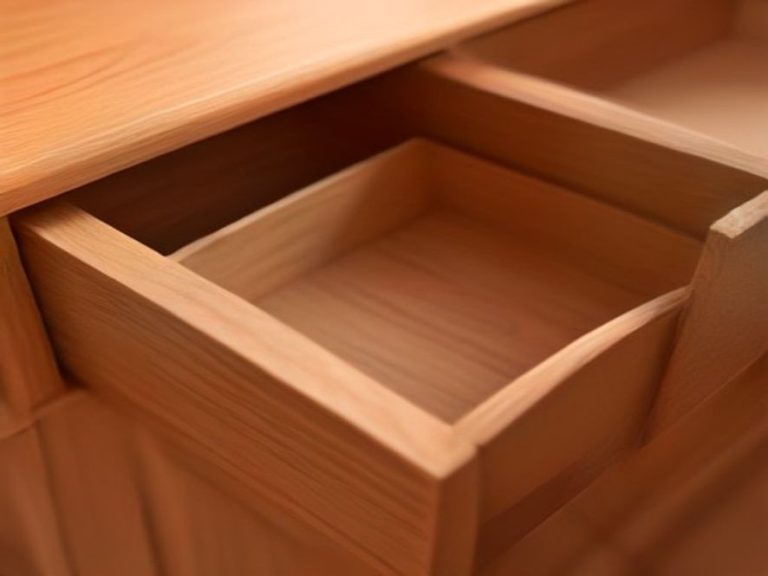
Step 3: Cabinets and Drawers
Cabinets near the stove get the worst buildup .
- Dip a microfiber cloth in warm, soapy water, wring it out, and wipe down cabinet fronts
- Let the solution sit for a few minutes to penetrate the grease
- Wipe again with a clean, damp cloth to remove residue
- Dry immediately with a clean cloth (especially important for wood—too much moisture can warp it)
For stubborn spots: Sprinkle baking soda on a damp sponge and gently scrub . For decorative grooves or handles, use a soft toothbrush dipped in soapy water .
Vinegar option: Spray with equal parts vinegar and water, let sit for 5-10 minutes, then wipe clean . Be careful on wood—vinegar can damage some finishes .
Step 4: Stovetop
Grease central needs special attention .
- Remove grates and burners if possible, and soak them in warm, soapy water
- Spray the stovetop surface with your dish soap solution and let it sit for a few minutes
- Wipe clean with a microfiber cloth
- For stubborn spots around burners, add baking soda to your soap mixture, let it fizz, then scrub gently
Glass stovetops: Never use abrasive scrubbers—they’ll scratch the surface . A halved lemon rubbed over the surface can cut through grease, followed by a vinegar spritz for shine .
Step 5: Backsplash and Walls
Grease mist floats upward, coating walls above and around the stove .
- Spray warm, soapy water onto the backsplash and nearby walls
- Let it sit for a few minutes
- Wipe clean with a microfiber cloth
- For tile or glass, a soft scrub brush works well
“Grease mist tends to float up higher than most people realize,” says cleaning expert Karina Toner. “Wipe down the area above your stove weekly” .
Step 6: Countertops and Appliances
- Use the same warm, soapy water solution on countertops
- For stubborn spots, use a baking soda paste (baking soda + water)
- For stainless steel appliances, wipe with the grain to avoid streaks
- For microwaves, use the steam method: heat a bowl of water and vinegar for 3-5 minutes, then wipe
Cleaning Method Comparison Table
| Method | Best For | Effectiveness | Difficulty | Key Consideration |
|---|---|---|---|---|
| Warm Water + Dish Soap | All surfaces, general degreasing | Very High | Easy | Surfactants break down grease at molecular level |
| Dish Soap + Baking Soda Paste | Stubborn spots, burnt-on grease | High | Easy | Baking soda adds gentle abrasion |
| White Vinegar + Water | Grease and grime on non-porous surfaces | High | Easy | Acidic, but may damage some wood/stone finishes |
| Orange Peel + Vinegar (2-week soak) | Heavy grease, natural option | Moderate-High | Moderate | Citric acid + d-limonene cut through grease |
| Abrasive Scrubbers | NOT RECOMMENDED | Damages surfaces | N/A | Removes finish permanently |
FAQ: Your Sticky Grease Questions Answered
What is the best way to clean sticky grease off kitchen cabinets?
Mix a few drops of dish soap into warm water, dip a cloth in it, wring it out, and wipe down the cabinets. Let the solution sit for a few minutes to break down the grease, then wipe clean with a damp cloth and dry immediately .
Can I use vinegar to clean greasy kitchen surfaces?
Yes. Mix equal parts white vinegar and water in a spray bottle. Spray it on greasy surfaces, let it sit for 5-10 minutes, then wipe clean . Avoid vinegar on natural stone and test on wood first .
Is baking soda safe for cleaning greasy cabinets?
Yes, baking soda is a gentle abrasive that won’t scratch most surfaces. Mix it with water to form a paste, apply to stubborn spots, let it sit for a few minutes, then gently scrub and wipe clean .
What is the #1 mistake people make when cleaning sticky grease?
Using too much water or aggressive scrubbing. Too much moisture can warp wood cabinets. Rough scrubbers like steel wool will scratch and remove the finish permanently .
How often should I degrease my kitchen?
Wipe down areas near the stove weekly to prevent heavy buildup. A full degreasing of cabinets and drawers should happen at least once a year, or seasonally if you cook and fry often .
References
Expert Cleaning Guides and Safety Information for Removing Kitchen Grease:
- Yahoo: 5 Easy Ways to Melt Sticky Grease Off Kitchen Cabinets
- Yahoo: How to Actually Cut Through Grease Stains
- Yahoo: How Pros Remove Grease From Kitchen Cabinets
- Real Simple: How to Remove Grease From Kitchen Drawers
- Real Simple: 4 Ways to Get Sticky Grease Off Cabinets Fast
Sticky grease everywhere can make your kitchen feel grimy and unwelcoming, but it doesn’t have to stay that way. With the right approach—warm water, dish soap, a little patience, and a few natural boosters when needed—you can cut through even the heaviest buildup without damaging your surfaces. The key is letting the chemistry do the work, not scrubbing harder.
Which kitchen problem do you want solved next? Share your thoughts in the comments.