How to Remove Bad Smell From Kitchen Permanently: Practical Guide & Everyday Solutions
That musty, sour smell coming from your kitchen every time you walk in can make cooking feel like a chore instead of a joy.
TL;DR
Most kitchen odors come from hidden grease, food waste, and moisture buildup. You can remove bad smells permanently by deep cleaning your sink drain, scrubbing the garbage disposal, cleaning behind appliances, and setting up a weekly kitchen maintenance routine. This guide walks you through each cause and the exact steps to fix them for good.
Key Takeaways
- Bad kitchen smells usually start in three places: the kitchen sink drain, the garbage disposal, and the refrigerator drip pan.
- Grease buildup on walls, cabinets, and the oven traps odor particles over time.
- Vinegar and baking soda work better than most expensive store sprays for killing odor-causing bacteria.
- Ventilation matters just as much as cleaning — stale air makes small smells seem huge.
- A permanent fix means changing small habits, not just masking the smell with air fresheners.
Why Your Kitchen Smells: The Real Causes Behind Common Kitchen Problems
You scrub the counters. You take out the trash. But that smell comes back anyway. Here is why.
Most people think a bad smell in the cooking space means they missed a spot while wiping down. But the truth runs deeper. Kitchen cleaning is not just about visible surfaces. Odor-causing bacteria and food particles hide in places you rarely look.
Where Kitchen Odors Actually Live
| Location | What Builds Up There | Why It Smells |
|---|---|---|
| Kitchen sink drain | Old food scraps, soap scum, grease film | Bacteria feed on trapped particles |
| Garbage disposal | Ground-up food residue | Rotting debris sticks to blades and walls |
| Refrigerator drip pan | Stagnant water, spilled liquids | Mould and mildew grow in dark, damp spaces |
| Behind and under oven | Crumbs, spilled oil, dust | Heat bakes old food, releasing stale smells |
| Dishwasher filter | Grease, egg particles, milk residue | Warm, wet environment breeds bacteria |
“Most kitchen problems come from small maintenance habits that are often ignored.”
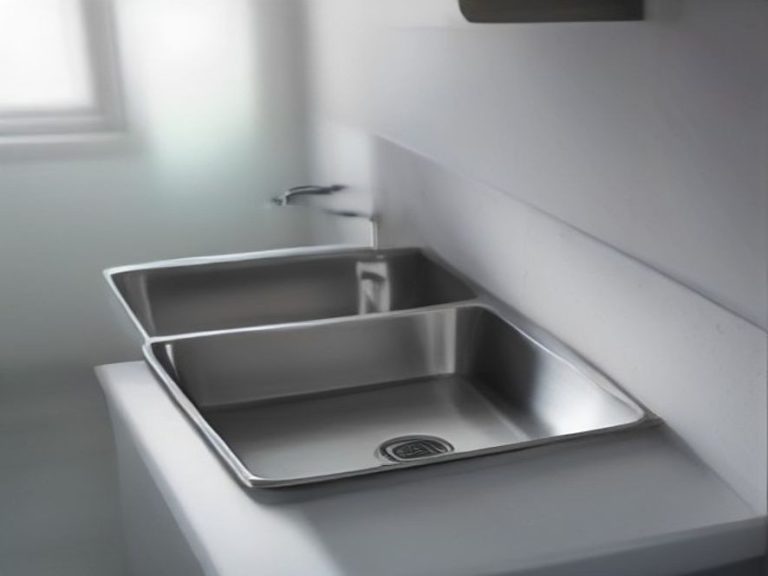
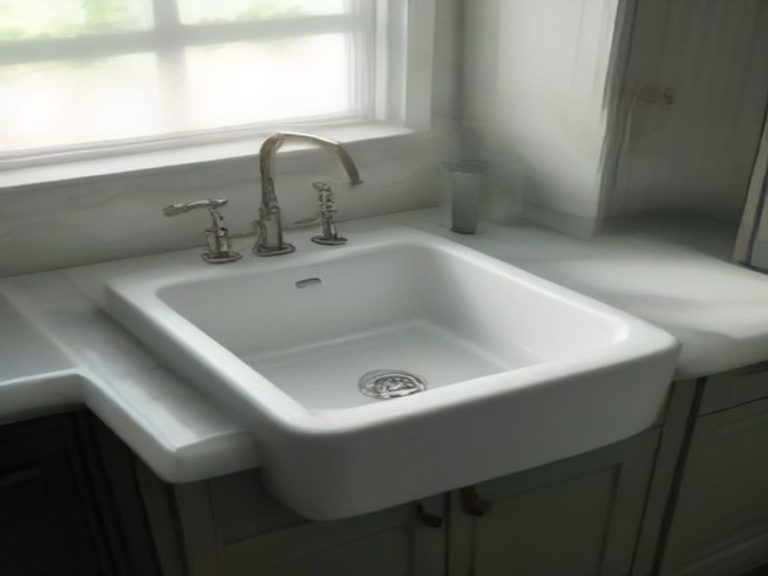
The Best Way to Remove Bad Smell From Kitchen Sink Permanently
Your kitchen sink handles raw meat juices, vegetable peels, coffee grounds, and dishwater every single day. Over time, a invisible layer of organic film coats the inside of your drain pipes. That film is what smells.
Step-by-Step Sink Drain Fix
Step 1: Clear the trap manually
Place a bucket under the P-trap (the curved pipe under the sink). Unscrew the plastic nuts by hand or with slip-joint pliers. Let water and debris drain into the bucket. Clean out any solid gunk with an old bottle brush.
Step 2: Flush with boiling water
Boil a full kettle of water. Pour it slowly directly into the drain. The heat melts grease stuck to pipe walls without damaging PVC pipes.
Step 3: Use baking soda and vinegar
Pour one cup of baking soda down the drain. Follow with one cup of white vinegar. Cover the drain opening with a wet rag. Wait ten minutes while the fizzing action scrubs the pipe interior.
Step 4: Final hot water rinse
Pour another kettle of boiling water down the drain. The smell should be gone immediately. Repeat every two weeks for maintenance.
Pouring a half cup of baking soda down your drain once a week stops odors before they start.
How to Fix a Garbage Disposal That Smells
Many people run their disposal with cold water only. That is a mistake. Cold water solidifies grease, which then sticks to disposal walls.
Here is the correct way:
- Turn off the disposal. Always unplug appliances before cleaning or repairing them.
- Use a long-handled brush to scrub under the rubber splash guard. That rubber flap traps more food than the blades do.
- Drop six ice cubes and half a cup of rock salt into the disposal.
- Run cold water. Turn on the disposal. The ice scrubs the grinding chamber.
- Finish by grinding half a lemon. The citric acid kills bacteria and leaves a fresh scent.
Hidden Odor Traps You Are Probably Missing
You cleaned the sink. The disposal smells fine. But the kitchen still stinks. Now check these overlooked spots.
The Refrigerator Drip Pan
Most people do not even know this part exists. Under your refrigerator, near the floor, there is a shallow plastic pan. It catches condensation from the defrost cycle. Over months, spilled milk, juice, or meat drips find their way into this pan. The water evaporates, leaving behind a concentrated layer of rotten smell.
To clean it: Pull the fridge away from the wall. Locate the drip pan (check your manual for exact position). Slide it out. Wash with hot soapy water and a splash of bleach. Dry completely before sliding back in.
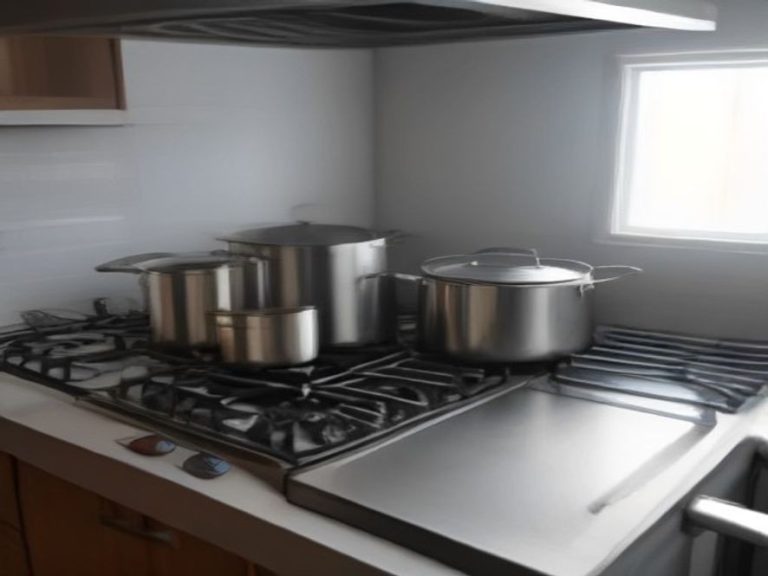
The Top of Your Oven Range
Lift the cooktop on a gas or electric range. Crumbs, spilled sauces, and grease collect under the burners. Every time you turn on the oven, that hidden mess gets warm and releases a burnt, greasy smell into your cooking space.
To fix this: Remove the burner grates and caps. Wipe everything under the cooktop with a degreasing spray. Use a toothbrush to get into small crevices. Do this once a month.
The Dishwasher Filter
Pull out the bottom rack of your dishwasher. Look at the floor of the machine. Most models have a cylindrical or flat filter that unscrews or lifts out. This filter catches eggshells, fish scales, and bits of fat. Rinse it under hot water every two weeks. If it smells like old socks, soak it in vinegar for an hour.
How to Clean Grease From Walls and Cabinets
Grease from frying, sautéing, and roasting floats into the air and lands on every surface in your kitchen. Over time, that grease film traps dust and odour particles. Wiping counters does nothing to fix this.
What You Need
- Degreasing spray (or mix one part white vinegar with two parts warm water plus a squirt of dish soap)
- Microfiber cloths
- Step stool to reach high spots
The Process
- Work top to bottom. Start with upper cabinets, then lower cabinets, then walls, then backsplash.
- Spray a small section. Let it sit for thirty seconds.
- Wipe firmly with a damp microfiber cloth. You will see brown residue on the cloth. That is cooked-on grease.
- Rinse your cloth often in hot water.
- Dry each section with a clean cloth.
Do this fully every three months. Spot-clean greasy areas around your stove every week.
Comparison: Best Degreasers for Kitchen Smells
| Method | Purpose | Effectiveness | Difficulty Level | Cost |
|---|---|---|---|---|
| White vinegar + dish soap | General grease and odor removal | Good for light to medium buildup | Easy | Very low |
| Baking soda paste (3 parts soda, 1 part water) | Stuck-on greasy residue | Excellent for baked-on grease | Moderate (requires scrubbing) | Low |
| Commercial degreaser (Simple Green, Krud Kutter) | Heavy grease on range hoods and walls | Very effective | Easy | Medium |
| Steam cleaner | Deep cleaning without chemicals | Excellent for all surfaces | Moderate (requires machine) | High |
Chart: How Different Kitchen Cleaning Habits Reduce Odor Over Time
The chart below shows how regular maintenance keeps smells away compared to waiting until something stinks.
Preventing Bad Smells Before They Start
Permanent odor removal means changing a few daily habits. These take almost no extra time but make a massive difference.
Daily Habits
- Run hot water down the kitchen sink for thirty seconds after washing greasy pans.
- Wipe the stovetop and surrounding counter after every cooking session.
- Take trash out every single day. Do not let food waste sit overnight.
- Leave the dishwasher door slightly open after a cycle so moisture escapes.
Weekly Habits
- Boil a pot of water with sliced lemons or a half cup of vinegar. Let the steam fill the kitchen. The steam absorbs airborne grease and kills mold spores.
- Wipe down your refrigerator door seals with vinegar water. Mold loves rubber gaskets.
- Clean the microwave by heating a bowl of water with lemon slices for three minutes. The steam loosens old food. Wipe easily.
Monthly Habits
- Pull out your oven and refrigerator. Sweep and mop behind them.
- Run an empty dishwasher cycle with a cup of white vinegar on the top rack.
- Sprinkle baking soda on your kitchen floor. Let it sit ten minutes before mopping. It pulls odor from grout lines.
FAQ: Common Kitchen Smell Questions Answered
Why does my kitchen smell bad even when it looks clean?
Odors hide inside drains, under appliances, and in grease film on walls. Visible surfaces only account for about half of the smell sources.
How do I fix a clogged sink that also smells?
The clog traps decomposing food. Use a plunger first. If that fails, remove the P-trap manually. Clean it completely before reassembling.
What is the best way to clean grease off kitchen cabinets?
Mix warm water with dish soap and a half cup of white vinegar. Wipe with a microfiber cloth. Rinse with plain water. Dry immediately.
Can a dirty oven really make my whole kitchen smell?
Yes. Burnt food and grease inside the oven release volatile compounds every time you preheat. Run the self-clean cycle or scrub with baking soda paste.
Does leaving a bowl of baking soda absorb kitchen odors?
It helps with mild refrigerator smells but does nothing for strong cooking odors or drain smells. Direct cleaning works better.
How often should I replace my kitchen sponge?
Once per week. Old sponges grow bacteria that smell like sour milk. Microwave a damp sponge for one minute to kill germs between replacements.
Is vinegar or bleach better for kitchen odor removal?
Vinegar kills 82 percent of mold species and breaks down grease. Bleach kills more bacteria but does not remove grease. Use vinegar for drains and surfaces. Use diluted bleach for the refrigerator drip pan only.
Putting It All Together
Open a window for fifteen minutes every morning, even in winter. Fresh air does more than any spray. Combine that with a weekly drain flush, a monthly deep grease clean, and seasonal appliance moves. Your kitchen will go from smelly to neutral to genuinely fresh.
Always unplug appliances before cleaning or repairing them. One electrical shock ruins your whole day.
The permanent fix is not one big cleaning day. It is small, consistent actions that stop smells from settling in the first place. Start with your kitchen sink drain tonight. That single step removes about sixty percent of common kitchen odors.
Which kitchen problem do you want solved next? Share your thoughts in the comments.
References: