Why Does My Small Kitchen Have Enough Cabinets but Still Feel Out of Space?
You have the cabinets. You have the drawers. You even have a pantry. Yet every time you step into your kitchen, it feels tight, cramped, and frustrating. You’re not imagining it, and you’re not alone. A kitchen can be technically full of storage and still feel claustrophobic. Here’s why—and how to fix it.
The Hidden Culprits Behind That Cramped Feeling
When cabinets are closed, a kitchen can look spacious. But the moment you start cooking or opening doors, the problems appear. The issue often isn’t a lack of storage—it’s how the storage is used and designed.
1. The Inside of Your Cabinets Is a “Black Hole”
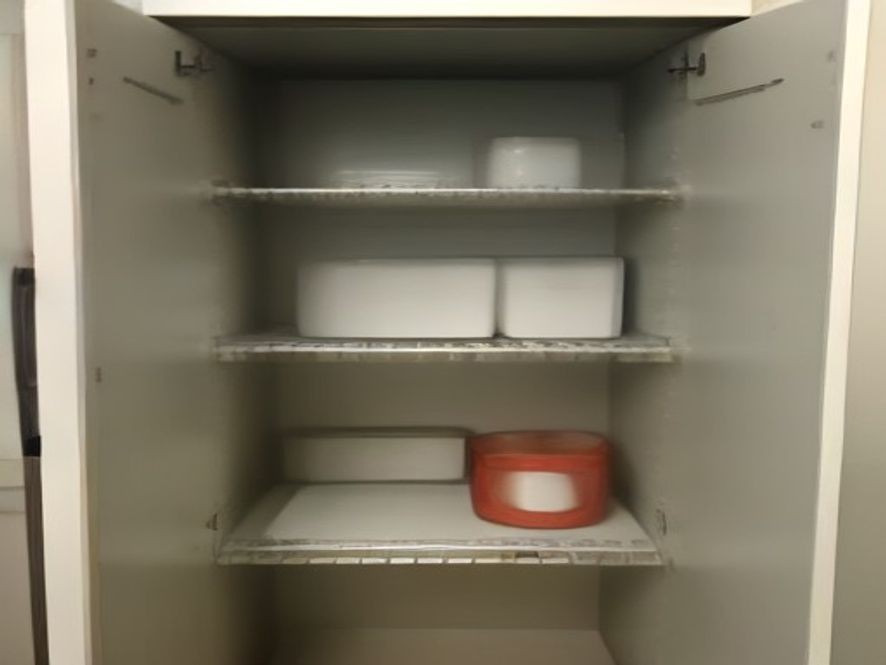
Many kitchens are built with deep shelves and standard drawers that don’t actually fit what you own. When shelves are too deep, items get pushed to the back and forgotten. You end up buying duplicates because you can’t see what you already have. Cabinets filled with items you don’t use make the space feel full even when it isn’t functional.
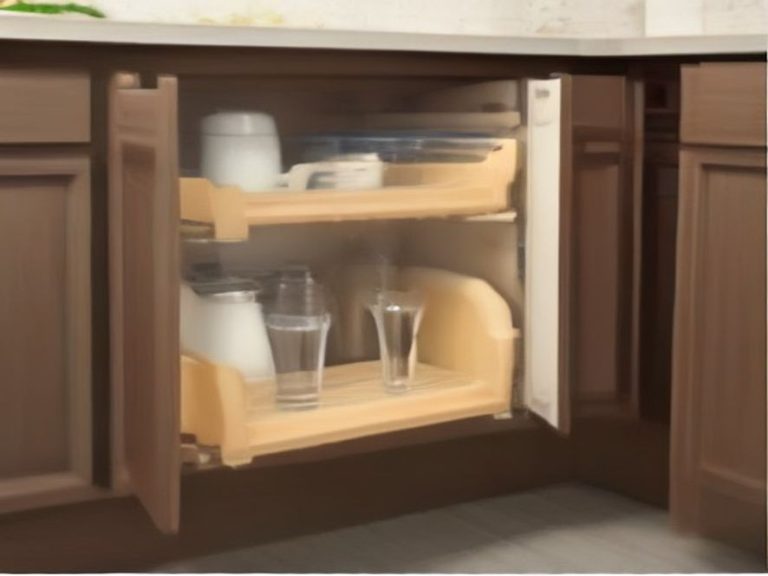
The fix is to use the space inside your cabinets more intelligently. Install pull-out shelves or roll-out trays so you can see everything at once. Use turntables (lazy Susans) in deep corner cabinets so nothing gets lost in the back. Even simple shelf risers can double your usable shelf space.
2. You’re Not Using the Inside of Your Doors
Your cabinet doors are often overlooked storage real estate. Mount small racks, magnetic strips, or baskets on the inside of the doors to hold pot lids, spice packets, foil, or even cooking oils. IKEA’s TISKEN suction cup baskets are a renter-friendly option that attaches without drilling. This frees up shelf space for larger items and reduces the “Jenga” effect when you open a cabinet.
3. A Lack of “Zones” Makes Everyday Tasks Awkward
Even a well-stocked kitchen feels messy when the layout doesn’t match your routines. If plates are far from the dishwasher, or cooking tools are stored away from the stove, you’ll constantly be moving items around, creating temporary clutter. This friction makes the kitchen feel crowded and inefficient.
Set up functional zones based on how you actually cook and move: prep zone, cooking zone, cleaning zone, and storage zone. Keep everyday items—mugs near the coffee maker, pots near the stove, plates near the dishwasher—in their most logical spot. When items have a home that fits your routine, you’ll spend less time searching and more time cooking.
4. Too Much Stuff (and Duplicates) Is Taking Over
In a small kitchen, every item must earn its place. Duplicate tools, single-use gadgets, and items you haven’t used in a year are stealing valuable real estate. The result: full cabinets with nothing useful inside.
This is the simplest fix. Take everything out and be honest. If you haven’t used it in the last 12 months, donate, sell, or toss it. Apply the “one in, one out” rule—when something new comes in, something old must leave. Also, choose multi-purpose tools over single-use ones (a sheet pan can bake cookies and roast vegetables; a garlic press can only do one thing). This keeps your kitchen lean and functional.
5. Countertop Clutter Is Making Everything Feel Tighter
Even with ample cabinet space, cluttered countertops make the whole room feel smaller and more chaotic. Those sleek kitchen appliances you love? They’re visual clutter when left out. Stylists often note that visible clutter, no matter how organized, makes a space feel messy.
The quick win: Clear your countertops. Put away small appliances you don’t use daily. For items you do use often, consider an “appliance garage”—a dedicated cabinet with internal power that lets you store and use appliances without them taking over your workspace. Limit countertop items to essentials like a coffee maker, a fruit bowl, or one decorative piece.
6. Overstuffed Shelves and “Visual Noise”
If your kitchen has open shelving, be careful. Treat open shelves like a curated gallery, not a storage bin. When every shelf is crammed with mismatched items, the visual chaos makes the room feel cramped and disorganized. Mismatched containers and clashing colors also add to the visual noise.
Keep open shelving intentional. Display a few matching plates, glasses, or cookbooks. Store everything else behind closed doors. For closed cabinets, use uniform containers and simple labels to reduce visual clutter.
How to Fix It: A Simple Reset Plan
| Problem | Quick Fix |
|---|---|
| Deep, dark cabinets | Add pull-out shelves or roll-out trays. Use lazy Susans for corners. |
| Wasted door space | Install small racks or suction cup baskets on the inside of cabinet doors. |
| Awkward workflow | Create “zones” for prep, cooking, cleaning, and storage based on your habits. |
| Duplicate and rarely-used items | Declutter ruthlessly. Donate or sell anything unused in a year. Keep multi-purpose tools. |
| Cluttered countertops | Store small appliances in an appliance garage or a cabinet. Limit counter items to daily essentials. |
| Visually chaotic shelves | Use matching containers and limit items on open shelves. Treat them as display space. |
Frequently Asked Questions
Why does my kitchen feel crowded even though I have lots of cabinets?
Because the storage you have isn’t being used efficiently. Deep shelves hide items, doors are wasted, and a lack of zones makes the kitchen harder to use. The solution is internal organizers, using door space, and designing zones around your habits.
What’s the first thing I should do to make my kitchen feel bigger?
Clear your countertops and do a quick declutter. Remove appliances you don’t use daily and donate duplicate tools. Then, use vertical space with shelf risers and wall racks.
Are there budget-friendly ways to fix these issues without a remodel?
Yes. Use shelf risers, lazy Susans, and inside-the-door racks (like IKEA TISKEN baskets) for under $30. Roll-out trays and drawer dividers are also affordable and renter-friendly. The key is to maximize the space you already have without changing your cabinets.
How can I make my small kitchen feel bigger with design?
Use light colors for cabinets and walls, add mirrors or reflective surfaces, and keep clutter minimal. Mix in glass-front cabinets or open shelving to create visual openness. A lighter, brighter palette can visually expand a small space.
References
Expert Solutions for a More Spacious Small Kitchen:
- Southern Living – 7 Design Mistakes That Make a Small Kitchen Feel Even Smaller
- Martha Stewart – 8 Small Kitchen Organization Rules the Pros Swear By
- The Kitchn – 3 Organizing Mistakes Making Your Kitchen Feel 100x More Cluttered
- Apartment Therapy – IKEA Organizer That Turns Dead Cabinet Space into Storage
- Drill Renovations – Kitchen Storage Mistakes That Make New Kitchens Feel Cluttered
- Hettich – Small Kitchen Solutions for Compact Spaces
A kitchen with enough cabinets but no space doesn’t need more storage—it needs smarter storage. By organizing the inside of your cabinets, using door space, and keeping countertops clear, you can reclaim that “cramped” feeling and actually enjoy cooking in your small kitchen. The fixes are simple, affordable, and don’t require a renovation.
Which kitchen problem do you want solved next? Share your thoughts in the comments.