The Only Kitchen Essentials Checklist You Need for Everyday Cooking
Opening your cabinets to cook dinner and realizing you don’t have the right tool can turn a simple meal into a stressful mess.
That moment when your pasta is boiling and you can’t find a colander. Or when you’re chopping vegetables with a dull, wobbly knife that makes every slice feel dangerous. A well-stocked kitchen isn’t about having every gadget ever made — it’s about having the right tools that actually get used. This checklist cuts through the noise and helps you build a kitchen that works for everyday cooking.
TL;DR
Everyday cooking doesn’t require fancy equipment or a huge budget. This guide covers the essential cookware, knives, utensils, small appliances, and pantry staples you actually need to cook real meals. Start with the basics: a good chef’s knife, a nonstick skillet, a saucepan, a cutting board, and a few key utensils. Then build from there based on what you actually cook.
Key Takeaways
- Quality matters more than quantity — a few good tools outperform a drawer full of cheap gadgets
- A chef’s knife is your most important investment — take care of it and it will last for years
- Nonstick and cast iron pans serve different purposes — you need both for different cooking styles
- Pantry staples make weeknight meals possible — stock the basics and you can always cook something
- Buy multipurpose tools for small kitchens — think Dutch ovens and immersion blenders that do multiple jobs
The Real Reasons Why Kitchens Feel Incomplete (And How to Fix It)
Most people end up with a random collection of kitchen tools — gifts from relatives, impulse buys, items that seemed useful at the store but never get touched. Professional chefs and cooking experts agree: a well-organized kitchen starts with focusing on items that are versatile, durable, and easy to clean .
One kitchen expert notes that kitchens often feel incomplete because people buy tools without a plan, ending up with duplicate items and missing essentials . The solution is simple: start with the basics, then build as you discover what you actually need.
Essential Cookware: The Foundation of Everyday Cooking
Good cookware makes cooking faster, more enjoyable, and produces better results. Here’s what you actually need.
The Versatile Skillet
Nonstick skillet — This is your daily workhorse. Perfect for scrambled eggs, pancakes, and fish that would stick to other pans . Make sure it’s heat-resistant and dishwasher-safe if you want easy cleanup .
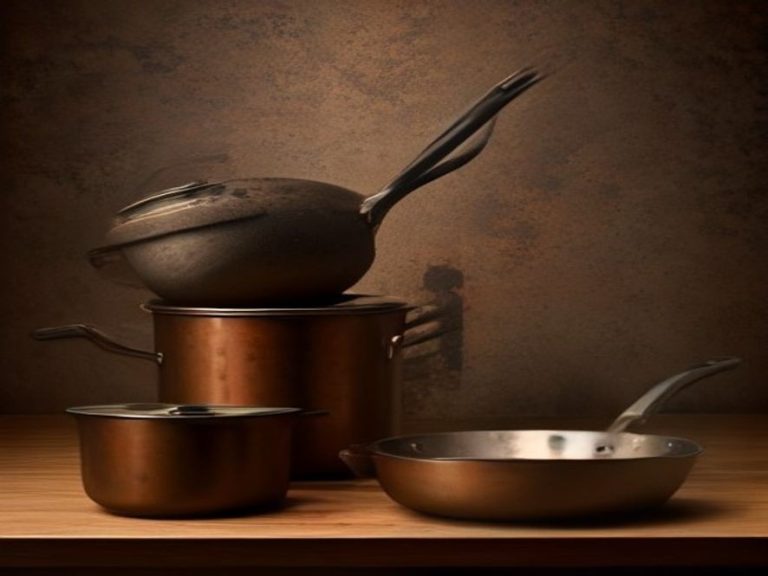
Cast iron pan — If you only buy one pan besides your nonstick, make it cast iron. It’s durable, versatile, and actually improves with use . You can fry, sauté, braise, or bake in it. Proper care means seasoning it regularly and never leaving it to soak in water.
Pots for Every Purpose
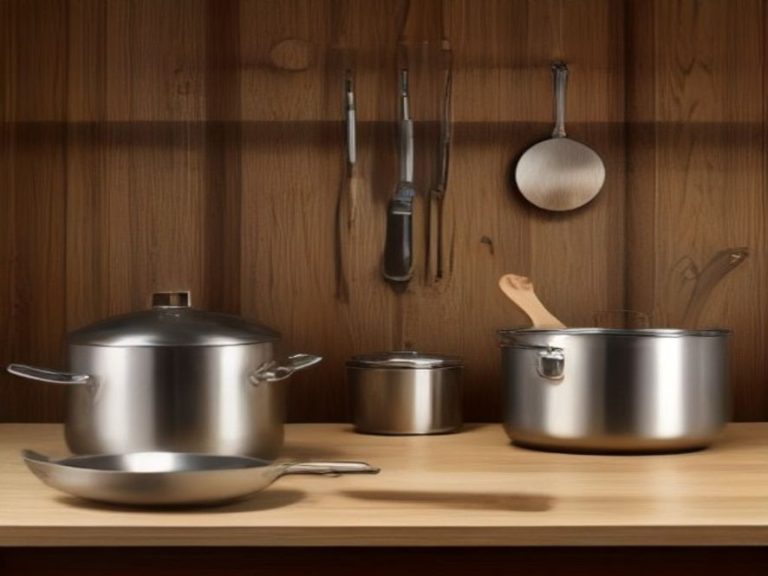
Medium saucepan — Essential for boiling pasta, reheating soup, and making rice. This is the pot you’ll reach for most often .
Large stockpot — For chili nights, one-pot meals, and cooking for friends . Also useful for making stocks and boiling corn on the cob.
Dutch oven — The most versatile pot you can own. It works on the stovetop for soups and stews, and goes right into the oven for baking bread or braising meat . In a small kitchen, a Dutch oven can replace several other pots.
Bakeware You’ll Actually Use
Baking sheet — Not just for cookies. Use it for roasting vegetables, frozen pizza, and sheet pan dinners. A simple aluminum half-sheet is an essential item you’ll reach for almost every day .
Mixing bowls — A set of nesting bowls in various sizes handles everything from tossing salads to mixing batters . Look for glass bowls that can go from mixing to the microwave to the fridge.
Knives: The Tools That Change Everything
Professional chefs all agree: a good chef’s knife is the single most important tool in any kitchen . It’s worth spending good money on a quality knife from a trusted brand because it will last a lifetime .
What You Need
8-inch chef’s knife — This is your workhorse. It handles everything from chopping vegetables to portioning meat . One food expert recommends testing knives in person before buying to make sure they feel comfortable in your hand .
Paring knife — The small knife for small jobs. Great for slicing fruit, avocados, tomatoes, and peeling vegetables .
Serrated knife — Essential for cutting bread and tomatoes without crushing them .
Kitchen scissors — A good pair handles everything from cutting herbs to breaking down meat .
Knife Care Basics
Never put knives in the dishwasher — it damages the blade and handle. Clean them by hand with warm soapy water, and dry immediately . Store them safely on a magnetic strip or in a knife block — never loose in a drawer where they can dull or cause injuries . Also consider investing in a knife sharpener or whetstone; a sharp knife is safer than a dull one because it requires less pressure .
Essential Utensils: The Tools You Reach For Daily
Beyond knives and pots, you need the tools that actually do the work of cooking.
Wooden spoon — According to kitchen experts, no tool can replace the humble wooden spoon. It’s strong enough to scrape up caramelized bits from the pan but gentle enough for nonstick surfaces . Plus, wood doesn’t conduct heat, so the handle stays cool .
Tongs — A good pair of tongs becomes an extension of your hands. Use them for tossing salads, flipping meat, and serving just about anything .
Silicone spatula — Durable, heat-resistant, and won’t scratch your nonstick pans. Perfect for scrambled eggs, stirring sauce, and scraping every last bit from bowls .
Whisk — Essential for emulsifying dressings, beating eggs, and combining dry ingredients for baking .
Ladle — A simple tool for moving liquid without the mess of pouring from a heavy pot .
Can opener — You’ll thank yourself when you’re staring at a can of beans and realize you have nothing to open it with .
Peeler — A good Y-shaped peeler makes quick work of vegetables and fruit .
Appliances: What to Buy and What to Skip
Small appliances can eat up counter space fast. The rule: keep out only what you use multiple times a week; store or skip the rest .
The Basics
Microwave — Essential for reheating leftovers and quick meals .
Coffee maker or electric kettle — If caffeine is part of your morning, this is non-negotiable .
Blender — Useful for smoothies, sauces, and even pancake batter .
Nice-to-Haves
Air fryer — Great for quick, crispy meals without a lot of oil. It’s like having an extra oven, making cooking faster and easier .
Immersion blender — Perfect for small kitchens because it takes almost no space. It purees soups, whips cream, makes sauce, and blends smoothies .
Food processor — A smaller-footprint food processor can chop, slice, and shred without taking up too much space .
Food Storage and Organization
A kitchen can go from fresh start to chaos quickly without basic storage tools .
Food storage containers — A small set that’s microwave and freezer safe handles leftovers and meal prep .
Aluminum foil, plastic wrap, parchment paper — The unglamorous but totally necessary trio .
Dish rack or drying mat — For the things that don’t go in the dishwasher .
Pantry Staples: Always Ready to Cook
Stocking a few pantry basics means you can throw together a meal without running to the store .
Oils and vinegar — Extra-virgin olive oil, neutral oil (canola or vegetable), and distilled vinegar .
Salt and pepper — The foundation of literally everything. Kosher salt is a must .
Basic spices — Garlic powder, onion powder, paprika, crushed red pepper flakes, and dried herbs like oregano and thyme .
All-purpose flour and sugar — Even if you’re not a baker, flour is essential for thickening and batter .
Pasta and rice — Weeknight workhorses. Long-grain white rice and a variety of pasta get you through busy evenings .
Canned tomatoes and beans — Time-savers that don’t sacrifice quality. Canned tomatoes, chickpeas, and black beans are the building blocks for fast meals .
Broth — Chicken or vegetable broth adds depth to soups, sauces, and grains .
Comparison: Essential vs. Nice-to-Have Tools
| Category | Essential | Nice-to-Have | Skip |
|---|---|---|---|
| Cookware | Nonstick skillet, cast iron pan, medium saucepan, large pot | Dutch oven, griddle, wok | Single-purpose pans |
| Knives | Chef’s knife, paring knife, serrated knife | Filet knife, specialty carving knife | Knife sets with unnecessary pieces |
| Utensils | Wooden spoon, tongs, silicone spatula, whisk, ladle | Microplane, garlic press, potato ricer | Unitaskers |
| Appliances | Microwave, coffee maker, blender | Air fryer, immersion blender, food processor | Specialized single-use gadgets |
| Bakeware | Baking sheet, mixing bowls | Muffin tin, cake pans, pie dish | Seasonal baking items |
Frequently Asked Questions
What are the most important kitchen tools for beginners?
A chef’s knife, cutting board, nonstick skillet, saucepan, and wooden spoon cover 90% of everyday cooking needs .
How do I choose a good chef’s knife?
Test it in person if possible — it should feel comfortable and balanced in your hand. Look for an 6-8 inch blade with a slight curve for rocking motion while chopping .
Should I buy a cookware set or individual pieces?
Start with individual essential pieces rather than a full set. You’ll get better quality and only buy what you actually use .
What’s the best pan for eggs?
A nonstick skillet is your best friend for scrambled eggs, omelets, and pancakes .
How often should I replace kitchen sponges?
Replace them weekly, or microwave them damp for 30 seconds to kill bacteria between uses.
What pantry items should I always have on hand?
Extra-virgin olive oil, kosher salt, black pepper, garlic powder, pasta, rice, and canned tomatoes .
How do I organize a small kitchen?
Use vertical space with magnetic strips and shelves, store items by frequency of use, and choose multipurpose tools to reduce clutter .
The Bottom Line
Building a kitchen for everyday cooking doesn’t require a massive budget or a huge collection of gadgets. It starts with the essentials: a chef’s knife that feels comfortable in your hand, a reliable skillet, a few versatile pots, and the basic utensils and pantry staples that let you cook real meals.
Professional chefs agree: the right tool makes cooking easier and more enjoyable. Start with quality items that will last, take care of your tools (especially knives), and build your collection based on what you actually cook. The kitchen essentials checklist is your starting point — what you add from there is up to you.
Kitchen Essentials and Home Cooking Resources:
- The Kitchn’s Pantry Staples Guide
- Consumer Reports Kitchen Appliance Ratings
- NKBA Kitchen Planning Guidelines
Which kitchen tool did you find most useful when you started cooking? Drop a comment below and share your experience.