The Best Way to Cook Simple Meals at Home: A Complete Guide to Kitchen Essentials That Make It Easy
You have decided to cook more at home, but you open your cabinets and realize you have no idea what tools you actually need to make a real meal without feeling overwhelmed.
This is a common moment for anyone starting their home cooking journey. The good news is that cooking simple, delicious meals does not require a kitchen full of fancy gadgets. In fact, professional chefs agree that you only need a handful of dependable tools to get started. With the right essentials, you can move from takeout to home-cooked meals without stress.
TL;DR: This guide covers the essential kitchen tools you need for cooking simple meals at home. It highlights must-have items like a chef’s knife, a cast iron skillet, a cutting board, and basic utensils. It also offers practical advice on stocking your pantry with versatile ingredients. With just a few reliable tools, you can cook confidently and enjoy healthy, affordable meals every day.
Key Takeaways
- Quality Over Quantity: You only need a few good tools, not a cabinet full of gadgets.
- A Sharp Knife Changes Everything: A quality chef’s knife is your most important tool for safe, enjoyable prep work.
- One Skillet, Many Meals: A cast iron or stainless steel skillet can handle everything from frying eggs to searing steak.
- Stock Smartly: A few pantry staples like olive oil, salt, pasta, and canned tomatoes let you cook a wide range of meals.
- Keep It Simple: Start with the basics and add more tools as you learn what you actually need.
The Real Causes Behind Kitchen Overwhelm and How to Fix It
Many people think they need a fully stocked gourmet kitchen to cook good food. They buy expensive sets and single-use gadgets that gather dust. This is actually the opposite of what professional chefs recommend.
Why We Buy Too Much Stuff
Retailers make it easy to buy complete sets. But most people never use half the knives or pots in those sets. Cheap cookware can warp, coatings can flake off, and dull knives make cooking feel like a chore. The real problem is not a lack of tools, but a lack of the right tools.
“Most kitchen problems come from small maintenance habits that are often ignored.”
The Professional Chef Approach
Professional chefs take a different approach. They rely on a small set of versatile, durable tools that can do multiple jobs well. Chef Antimo DiMeo puts it simply: “You don’t need a kitchen full of gadgets, but you need tools that make you more confident”. Even Gordon Ramsay agrees. He says you only need two pots for most home cooking.
The Must-Have Cookware for Simple Meals
You do not need a 12-piece cookware set. Here are the essential pots and pans that professional chefs actually recommend for home cooking.
The Cast Iron or Carbon Steel Skillet
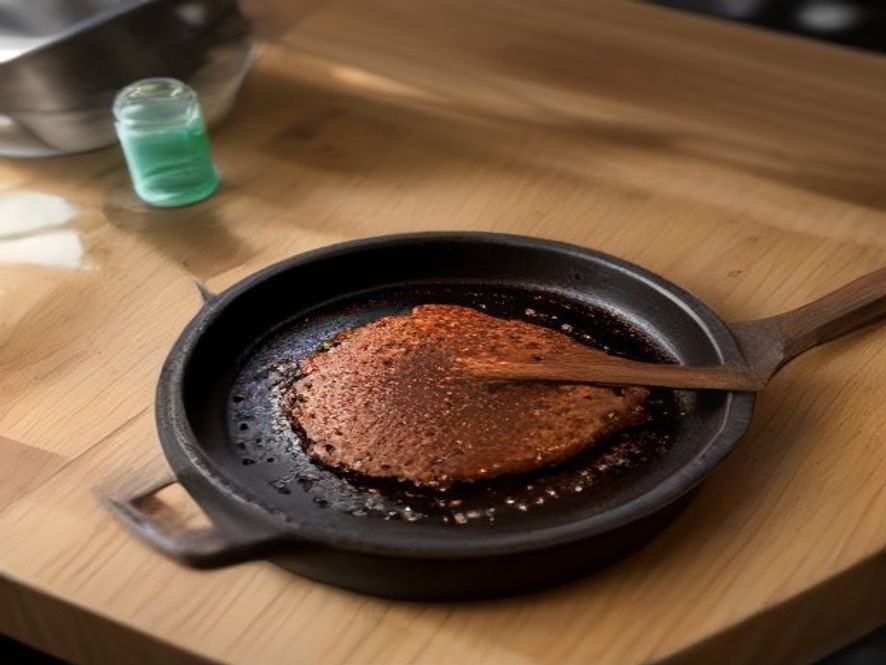
A large, heavy-duty skillet is the workhorse of any kitchen. A 10- to 12-inch cast iron or carbon steel skillet is perfect for searing meat, frying eggs, making one-pan meals, and even baking. Cast iron improves with use and lasts forever with proper care.
Safety reminder: Always use oven mitts when handling cast iron. It retains heat for a long time and can cause serious burns.
The Stainless Steel Saucepan
A medium saucepan (2–3 quarts) is essential for heating soups, cooking rice, boiling eggs, and making simple sauces. Gordon Ramsay recommends choosing one with a heavy bottom that conducts heat evenly.
The Large Stockpot
A large stockpot is perfect for pasta, chili, soups, and cooking in bulk. This is especially useful for meal prepping and saving leftovers.
The Baking Sheet
A simple half-sheet pan is incredibly versatile. You can use it for roasting vegetables, baking chicken, making sheet-pan dinners, or reheating leftovers. It is one of the most used tools in any home kitchen.
The Dutch Oven (Nice-to-Have)
If you love soups, stews, or braised meats, a Dutch oven is a worthy investment. It holds heat beautifully and can go from stovetop to oven. But for simple meals, it is not a must-have on day one.
Essential Tools That Make Prep Work Easy
Good prep tools save time and make cooking more enjoyable.
The Chef’s Knife (Your Most Important Tool)
Every single expert agrees: a sharp chef’s knife is the most important tool in your kitchen. A sharp knife is safer than a dull one because it does not slip. It also makes chopping vegetables and preparing ingredients faster and more enjoyable.
You do not need a full knife block. A single 8-inch chef’s knife and maybe a small paring knife are enough for most cooking. Hand wash and dry your knife to prevent rusting.
The Cutting Board
You need a solid cutting board that stays put while you work. Wooden boards are great for vegetables and gentle on knives. For meat, use a non-porous board like silicone or plastic to prevent cross-contamination.
Tongs and Wooden Spoon
Tongs are like an extension of your hand. Use them for flipping proteins, tossing salads, and serving just about anything. A wooden spoon is strong enough to scrape up sticky bits from a pan without damaging nonstick surfaces.
The Instant-Read Thermometer
This small tool is especially important for new cooks. It takes the guesswork out of cooking meat and helps you avoid undercooking or drying out your food. Chef Antimo DiMeo calls it a must-have. It costs around $10–$20 and pays for itself quickly.
The Microplane
A Microplane is a small tool that does a big job. It is perfect for zesting citrus, grating garlic, ginger, Parmesan cheese, or even chocolate. It gives you powerful flavor in seconds and is safer to use than a box grater.
Simple Pantry Staples for Everyday Meals
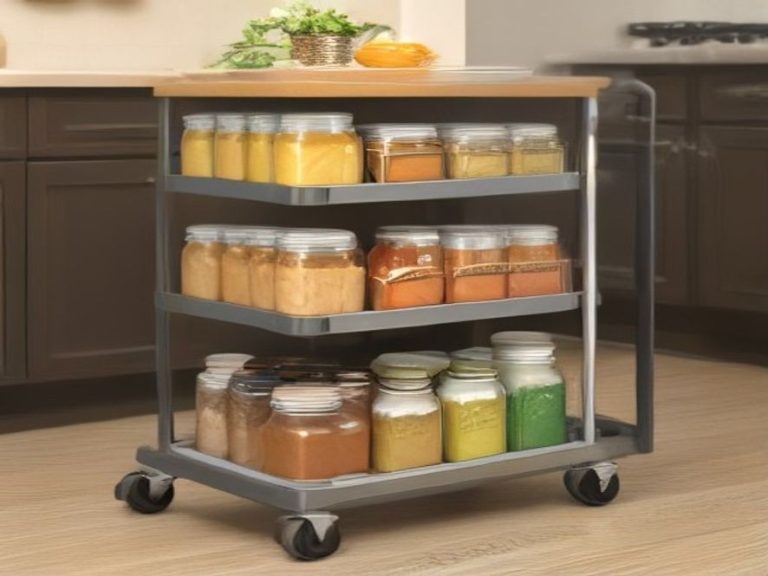
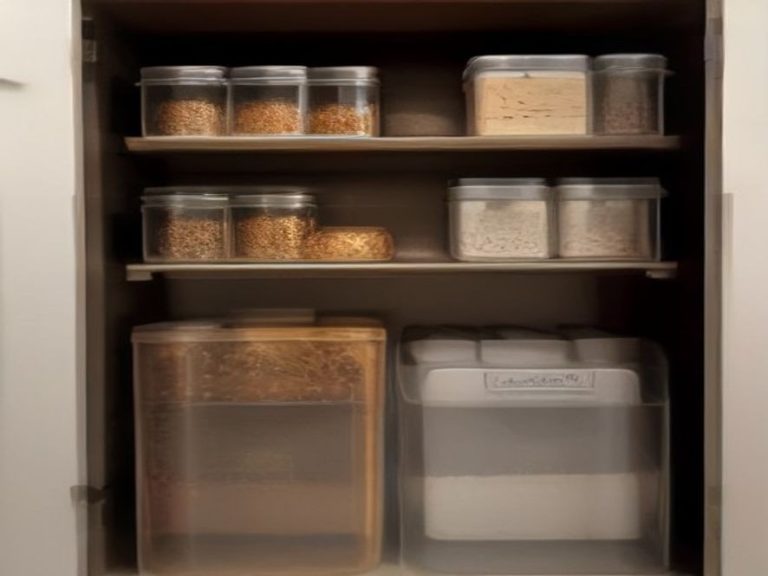
Having a few basic ingredients on hand makes cooking simple and affordable. You do not need a huge pantry. Just a few versatile items can create many different meals.
Essential Pantry Items
Start with these staples, which have a long shelf life and can be used in countless dishes:
- Cooking oil: Vegetable or olive oil for cooking and finishing.
- Salt and pepper: Essential for seasoning everything.
- Pasta and rice: Fill up any meal and last for months.
- Canned tomatoes and beans: For quick sauces, soups, and chili.
- Dried herbs and spices: Start with cumin, paprika, and mixed herbs. Buy them as you need them to keep costs low.
Fresh Staples
Keep these fresh items on hand for quick, nutritious meals:
- Eggs: A kitchen MVP for breakfast, lunch, or dinner.
- Onions and garlic: The flavor base for countless dishes.
- Potatoes: Versatile and filling for roasting, mashing, or soups.
- Hardy greens: Kale or Swiss chard hold up well and add nutrition to any dish.
A Smarter Approach to Shopping
“Don’t worry about going out and buying [all spices] right away,” advises Food Standards Scotland. “It’s easier and cheaper to buy them as and when you need them for different dishes”. Also, try to build meals around what you already have, and swap ingredients based on what is in your cupboard or fridge.
Comparison Table: Essential Tools for Simple Meals
| Item | Purpose | Why It Is Essential |
|---|---|---|
| Chef’s Knife | Chopping, dicing, slicing | Safer and faster than dull knives; handles 90% of cutting tasks |
| Cast Iron Skillet | Frying, searing, baking | Durable, versatile, improves with use |
| Stainless Saucepan | Soups, rice, sauces | Heavy bottom heats evenly; handles everyday tasks |
| Stockpot | Pasta, chili, meal prep | Large capacity for cooking in bulk |
| Baking Sheet | Roasting, reheating, sheet-pan meals | Incredibly versatile for simple dinners |
| Instant-Read Thermometer | Checking food temperature | Prevents undercooking and builds confidence |
| Wooden Spoon | Stirring, scraping | Durable, won’t scratch pans |
Chart: The Impact of the Right Tools on Cooking Confidence
This chart shows how having the right essentials reduces frustration and increases confidence in the kitchen.
Cooking Confidence Before and After Essential Tools
Note: This chart represents estimated confidence and efficiency levels reported by beginner cooks.
FAQ Section
1. What are the most essential tools for cooking simple meals at home?
A chef’s knife, a cutting board, a cast iron skillet, a saucepan, and a baking sheet are all you need to get started.
2. Why is a sharp chef’s knife so important?
A sharp knife is safer because it does not slip. It also makes prep work faster and preserves the quality of your ingredients.
3. What is the best pan for a beginner cook?
A 10- to 12-inch cast iron or stainless steel skillet is versatile and durable. It can handle frying, searing, baking, and more.
4. What should I keep in my pantry for simple meals?
Start with cooking oil, salt, pepper, pasta, rice, canned tomatoes, and beans. Add spices as you need them.
5. Do I need fancy kitchen gadgets to cook at home?
No. Most single-use gadgets are a waste of space. A few quality tools are all you need for simple, delicious meals.
6. How can I cook simple meals without feeling overwhelmed?
Start with one or two go-to recipes. Master a few basic techniques like roasting vegetables and searing protein. Use a meal kit service or watch cooking tutorials for guidance.
7. Is a chef’s knife set better than buying one knife?
No. Buy one quality chef’s knife and maybe a paring knife. Sets often include knives you will never use.
References
Trusted Sources for Simple Home Cooking Essentials:
- Food Standards Scotland – Kitchen Basics
- Blue Apron – Essential Kitchen Tools
- Yahoo – Chefs’ Smartest Purchases for Beginners
- Yahoo – Expert-Approved Cookware to Keep
Which simple cooking problem do you want solved next? Share your thoughts in the comments.