How to Fix Leftover Storage Problems: Essential Tools for a Waste-Free Kitchen
That moment when you open your fridge and find a science experiment growing in the back—it’s frustrating, wasteful, and it happens to the best of us.
You cooked a big meal. You were excited about leftovers. But somehow, that delicious casserole got pushed behind the milk. By the time you found it, you had to throw it out. Sound familiar? The average household wastes a shocking amount of food, especially during busy weeks .
The problem isn’t that you don’t want to eat leftovers. The problem is that your storage setup isn’t helping you succeed. With the right kitchen essentials, you can fix this. Let’s look at the tools and tricks that make storing leftovers easy, visible, and actually enjoyable.
TL;DR
The best kitchen essentials for leftovers focus on visibility, portion control, and versatility. Clear glass containers let you see what you have. Portioning tools like muffin tins or silicone trays help you freeze single servings. Creating a designated leftovers zone and labeling food with dates prevents waste. The right containers also go from fridge to oven or microwave without needing extra dishes.
Key Takeaways
- Clear glass containers let you see leftovers at a glance, reducing forgotten food
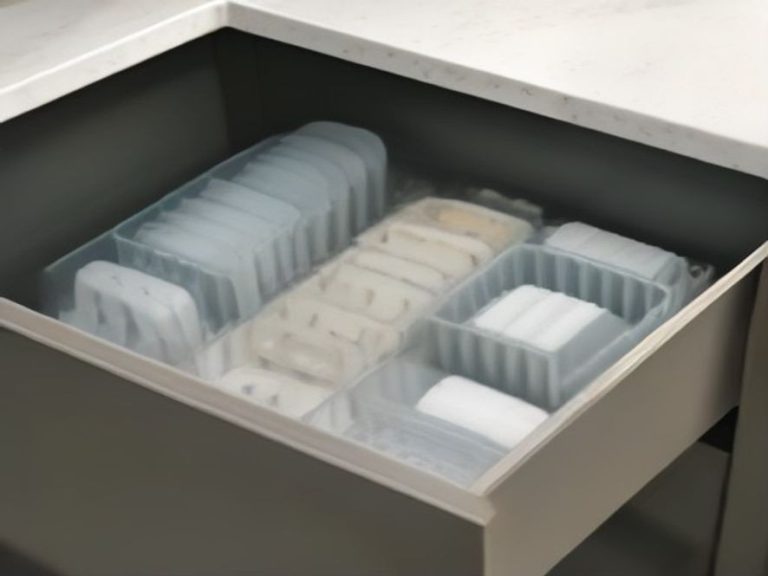
- Portioning tools like muffin tins and silicone trays make freezing single servings easy
- Airtight, locking lids keep food fresh longer and prevent leaks
- A designated leftovers zone in your fridge helps everyone know what to eat first
- Labeling with painter’s tape and dates tells you when food was made
The Real Reasons Leftovers Get Forgotten and How to Fix Them
Most people don’t plan to waste food. It just happens. A container gets pushed to the back. You can’t remember what’s inside. A few days pass, and now it’s questionable. This cycle is incredibly common, but it’s also preventable.
The biggest culprit is visibility. If you can’t see your leftovers, you’ll forget they exist . Opaque containers and mismatched lids are the enemy of an organized fridge. You’re also likely storing leftovers in bulky dishes that take up too much space, making it hard to access anything.
The fix is simple: swap out your storage system for one that works with your habits.
Essential #1: Clear Containers That Let You See What You Have
The best leftover container is one you can see through. This might sound obvious, but it’s the single most effective change you can make .
Glass containers are ideal because they’re clear, durable, and don’t stain. They’re also safe for the fridge, freezer, microwave, and oven . You can reheat your food in the same container you stored it in—no extra dishes .
Top chef Michelle Wallace loves Pyrex glass sets because they can “go from freezer to fridge to oven or microwave,” saving space and making reheating seamless . Another chef, Nicholas Poulmentis, recommends glass containers with tight-fitting lids from brands like OXO or Tupperware for their durability and secure seals .
The Guardian’s food critic found that using smaller, stackable glass containers helped her family waste less food and do fewer dishes. Her favorite? The Anyday containers, which feature glass lids with a silicone vent for steaming food right in the microwave .
A set of containers with locking tabs is worth the investment. These create an airtight, leakproof seal that keeps food fresh longer . Snug-fitting lids are crucial for preventing bacterial growth and preserving taste .
Essential #2: Portioning Tools for Easy Freezing
Freezing leftovers in huge blocks is a recipe for waste. You have to thaw the whole thing, and what you don’t eat often goes bad. The fix is portioning before you freeze.
This is where a muffin tin becomes your best friend. Chef Gabriel Cabrera shares a simple hack: line a muffin tin with plastic wrap, portion your cooled leftovers (about 4 ounces per well is a single serving), and freeze. Once solid, pop out the portions and store them in an airtight bag or container. Now you can reheat just what you need .
Silicone freezer trays like Souper Cubes make this even easier. They come in various portion sizes—from 2 tablespoons to 2 cups—and the flexible silicone makes removing frozen portions a breeze . One reviewer noted that this method is ideal for “keeping leftovers out of the trash and having easy meals in the freezer in a pinch” .
Mini containers are another great tool. A 10-pack of small, 2.3-ounce containers from Dollar Tree is perfect for saving those little bits of pesto, hummus, or vinaigrette. They’re just the right size for small portions that would get lost in a larger container .
Essential #3: Airtight Lids and Proper Seals
You can have the best container in the world, but if the lid doesn’t seal, your food will spoil faster. Airtight, tight-fitting lids are non-negotiable .
Rubbermaid’s Brilliance line and Anchor Hocking’s TrueSeal containers are chef-approved for their locking mechanisms and slim profiles . A silicone gasket around the rim creates a leak-proof seal that’s safe for the fridge and freezer .
If you’re looking for versatility, IKEA’s 365+ stainless steel containers are a surprising top choice. Consumer Reports ranked them above Pyrex for seal quality, durability, and ease of use. The stainless steel base is oven- and freezer-safe, and it comes with a leakproof plastic lid .
Italicize useful kitchen tips: Always let food cool to room temperature before sealing and storing. Storing hot food can raise the temperature inside your fridge, compromising the safety of other items.
Essential #4: Fridge Organization Hacks That Actually Work
Even with the best containers, your fridge needs a system. Creating a “leftovers zone” makes a huge difference. Pick a shelf—ideally at eye level—and designate it as the place where all leftovers go. This way, everyone in the household knows exactly where to look for a quick meal .
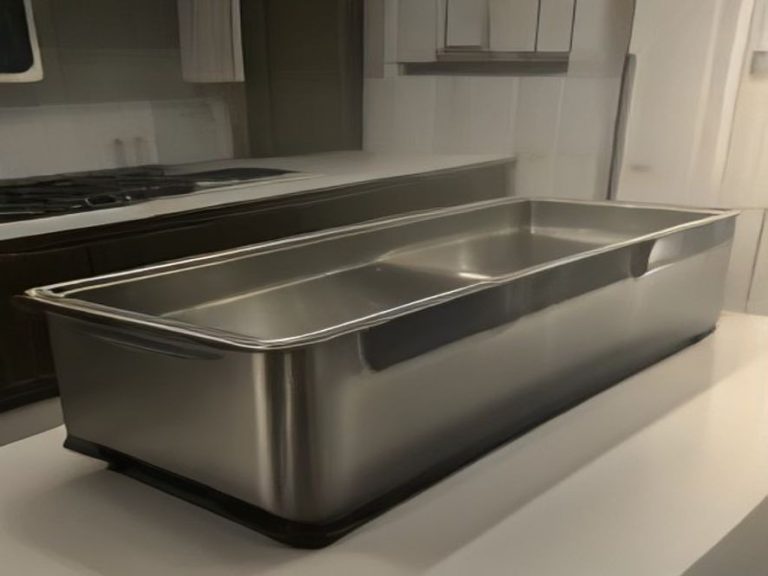
A sheet pan can also help. Balance a small sheet pan on top of other items in your fridge to create a makeshift shelf. This extra surface gives you more space to stack containers and keeps things organized .
Labeling is a game-changer. Professional kitchens label everything, and you should too. Keep painter’s tape and a Sharpie in a drawer. On each container, write the name of the food and the date you stored it. This simple step tells you exactly what you have and when you need to eat it by .
Essential #5: Reheating Tools That Make Leftovers Exciting
Sometimes leftovers don’t get eaten because reheating them feels like a chore. The right reheating tools can change that.
An air fryer is fantastic for bringing back the crispiness of fried foods, appetizers, and roasted vegetables. It uses hot air circulation to make food taste almost as good as fresh . An air fryer can reheat appetizers and sides effectively .
A microwave convection oven is another versatile option. It can microwave, air fry, and even grill, so you’re not stuck with just one reheating method .
A food processor isn’t for reheating, but it’s a great tool for transforming leftovers. Puree roasted vegetables into soup, or pulse leftover meat into a filling for tacos. Reimagining leftovers keeps them from getting boring .
Comparison Table: Best Leftover Storage Essentials
| Item | Purpose | Key Feature | Cost Range |
|---|---|---|---|
| Glass Food Storage Containers | Store, reheat, and see leftovers clearly | Oven, microwave, and freezer-safe | $$ |
| Muffin Tin | Portion food for freezing | Creates perfect single servings | $ |
| Souper Cubes Silicone Trays | Freeze in uniform portions | Flexible silicone; easy pop-out | $$ |
| Airtight Sealing Containers | Keep food fresh and prevent leaks | Locking lids with silicone gaskets | $$ |
| IKEA 365+ Stainless Steel | Durable, oven-safe storage | Consumer Reports top pick | $ |
| Sheet Pan | Create extra fridge shelf space | Maximizes storage in tight fridges | $ |
FAQ Section
Why do my leftovers go bad so fast?
Your containers might not be airtight. Also, storing food in large, bulky dishes takes up space and makes it hard to see what you have. Switch to smaller, clear containers with secure lids .
What are the best containers for freezing leftovers?
Glass containers (fridge-to-oven safe), Souper Cubes silicone trays, and muffin tins for portioning are all excellent choices. These prevent freezer burn and allow for easy reheating .
How do I organize leftovers in a small fridge?
Create a designated leftovers zone on a middle shelf and use small sheet pans as extra shelves. Store containers in stacks and label each one with its contents and date .
Should I use plastic or glass for leftovers?
Glass is generally preferred because it doesn’t stain, leach chemicals, or warp. It is also safe for the microwave, oven, and dishwasher . However, sturdy, BPA-free plastic containers with airtight lids are also a good, more budget-friendly option .
How do I store leftovers so I actually eat them?
Use clear containers so you can see the food at a glance . Store leftovers in a designated zone. And most importantly, put a piece of painter’s tape on the container with the name of the food and the date you cooked it .
“Most kitchen problems come from small maintenance habits that are often ignored. With the right renter-friendly tools, you can fix almost any issue without risking your security deposit.”
Which kitchen problem do you want solved next? Share your thoughts in the comments.
Kitchen Essentials That Make Leftovers Easier to Store: Expert Tips