Kitchen Essentials vs Cooking Tools: What’s the Real Difference?
You’ve probably used the words “essentials” and “tools” like they mean the same thing. But in the kitchen, these two categories serve very different purposes—and knowing the difference can save you money, space, and cooking frustration.
When you’re building a functional kitchen, understanding what counts as an essential versus what’s just a tool helps you make smarter buying decisions. The distinction isn’t just semantics—it’s about knowing which items you truly can’t live without and which ones are nice to have but not necessary.
TL;DR
Kitchen essentials are the everyday workhorses you reach for multiple times a week—the items that form the foundation of your cooking setup. Cooking tools are a broader category that includes essentials but also covers specialty utensils and gadgets you might use occasionally. The key difference: essentials are non-negotiable for daily cooking, while tools range from must-haves to nice-to-haves to outright skippable. This guide breaks down exactly where the line is and how to prioritize your kitchen spending.
Key Takeaways
- Essentials are daily-use items—chef’s knife, skillet, saucepan, cutting board, and basic utensils
- Cooking tools include all kitchen implements—from essential knives to optional specialty gadgets
- Not every tool is essential—single-purpose gadgets like avocado slicers and garlic presses rarely earn their keep
- The best tools pull double duty—a chef’s knife replaces multiple single-purpose gadgets
- Start with essentials, add tools gradually—build your collection based on what you actually cook
What Are Kitchen Essentials?
Kitchen essentials are the absolute must-haves—the items you’ll use nearly every single day to prepare meals . According to the Penn State Extension, these are the tools that “enable individuals to cook nearly any meal” .
Essentials are the foundation. Without them, you can’t cook. Period.
The Essential Checklist
Knives:
- Chef’s knife (8-inch)—handles 80-90% of cutting tasks
- Paring knife—for peeling and detail work
- Serrated bread knife—for bread and tomatoes
- Cutting boards (at least 2)—one for raw meat, one for everything else
Cookware:
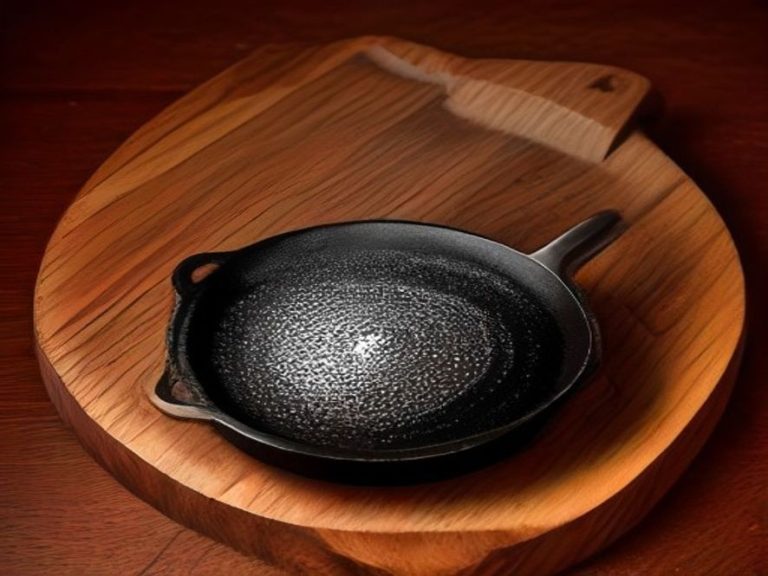
- 9-10 inch frying pan (skillet)
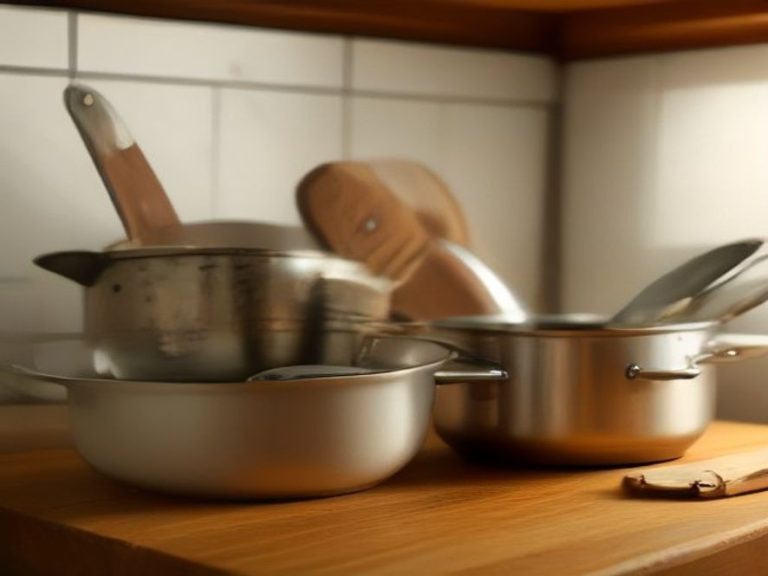
- 2-4 quart saucepan
- 6-10 quart stockpot
- 8×8 or 9×13 baking dish
- 2 baking sheets
Utensils:
- Dry measuring cups and spoons
- Liquid measuring cup
- Can opener
- Vegetable peeler
- Wooden spoons
- Rubber spatula and flat spatula
- Tongs
- Whisk
Other Must-Haves:
- Mixing bowls with lids
- Towels and pot holders
- Instant-read thermometer—”this tool is critical to food safety”
The Essential Appliances
While appliances can be considered essentials, you need to be selective. A microwave, coffee maker, and blender or food processor are worth the counter space . Other appliances like pressure cookers and Dutch ovens are valuable but may be “a step beyond” the bare essentials .
What Are Cooking Tools?
Cooking tools is a broader category that includes every implement used to prepare, cook, and serve food . This covers everything from essential knives and pots to specialty items you might use only occasionally .
The key distinction: All kitchen essentials are cooking tools, but not all cooking tools are essentials.
Cooking tools can be broken down into subcategories:
Hand Tools: Small, handheld items used for food preparation—knives, spatulas, whisks, tongs, measuring cups, peelers
Cookware: Pots, pans, baking dishes, and baking sheets used for cooking on stovetops or in ovens
Equipment: Larger items like stoves, ovens, refrigerators, blenders, and microwaves
Gadgets: Single-purpose items that do one specific job—avocado slicers, garlic presses, herb strippers, specialty choppers
The Essential vs. Gadget Problem
Here’s where things get interesting. Chefs and cooking experts agree that many kitchen tools marketed as “essential” are actually just clutter. Professional chefs unanimously recommend skipping single-purpose gadgets that take up space without improving your cooking .
The Gadgets Chefs Say to Skip
Celebrity chef Masaharu Morimoto recommends skipping mandolins because “mastering proper knife skills gives you more control, precision and safety” . Onion holders, onion goggles, chicken shredders, herb strippers, electric can openers, and avocado slicers all get the thumbs-down from professionals .
Chef Richard Ingraham calls the avocado slicer “a one-trick pony that clutters drawers” because “a knife and spoon do the job just as easily” . All three chefs interviewed by Real Simple agreed that avocado slicers are completely unnecessary .
What Makes a Tool Worth Keeping?
The experts offer three questions to ask before buying any kitchen tool:
- Does a tool I already own do the same thing? If yes, skip it .
- Does it save real time on something I do often? If it only saves a few seconds and creates another item to wash, it’s not worth it .
- Does it pull double duty? The best tools work across hundreds of different dishes—a chef’s knife, rimmed sheet pans, and a bowl scraper are examples of tools that earn their space .
Comparison: Essentials vs. Tools at a Glance
| Category | Essentials (Must-Have) | Tools (Nice-to-Have) | Gadgets (Skip) |
|---|---|---|---|
| Knives | Chef’s knife, paring knife, bread knife | Santoku, filet knife, specialty carving knives | 15-piece knife blocks, onion holders |
| Cookware | Skillet, saucepan, stockpot | Dutch oven, griddle, wok | Single-use pans |
| Prep Tools | Cutting board, peeler, can opener | Microplane, box grater, salad spinner | Herb stripper, avocado slicer |
| Utensils | Wooden spoon, spatula, tongs, whisk | Slotted spoon, pastry brush, rolling pin | Garlic press, chicken shredder |
| Appliances | Microwave, coffee maker, blender | Air fryer, toaster oven, slow cooker | Electric can opener, popcorn maker |
| Measuring | Dry cups, liquid cup, spoons | Kitchen scale, timer | Specialty measuring tools |
| Safety | Instant-read thermometer | Oven mitts, pot holders | Bluetooth thermometer |
How to Build Your Kitchen the Smart Way
Start with the essentials listed above. These are the items you’ll use daily and can’t do without. Then, as you cook more and discover what you actually need, add tools gradually based on your cooking style .
Home chef Marissa Stevens advises: “Before I buy any kitchen gadget, I ask myself if a tool I already have can do the same thing. I don’t own a lot of gadgets, because the answer is usually ‘yes'” .
Chef Katie Vine makes a final rule: tools need to be “something that I use at least once a week, or that has multiple uses” . If a tool doesn’t meet that standard, it doesn’t earn its spot.
Frequently Asked Questions
What’s the difference between kitchen essentials and cooking tools?
Essentials are the daily-use items you can’t cook without—knives, skillets, and basic utensils. Cooking tools is a broader category that includes all kitchen implements, from essential to optional.
Is a garlic press a cooking tool or a gadget?
Chefs consider it a gadget you can skip—it wastes garlic, is hard to clean, and a knife does the same job with better results .
What’s the one tool chefs say everyone should buy?
An instant-read meat thermometer. It “changed my life by taking the guesswork out of doneness” and is critical for food safety .
How many knives do I really need?
Three: a chef’s knife, a paring knife, and a serrated bread knife. These cover 90% of your cutting tasks .
The Bottom Line
Kitchen essentials and cooking tools overlap, but they aren’t the same thing. Essentials are the daily workhorses—the items you reach for multiple times a week. Cooking tools are everything else, from useful specialty items to wasteful gadgets that collect dust.
The smart approach: start with the essentials. Cook for a while. Then add tools based on what you actually need, not what looks clever in an ad. A few high-quality, versatile tools will always beat a drawer full of single-purpose gadgets .
Kitchen Essentials and Tool Resources:
What’s one kitchen tool you thought was essential but never use? Or a gadget you actually love? Share your experience in the comments.