How to Choose Kitchen Essentials for a Small Kitchen: Smart Solutions for Tiny Cooking Spaces
Standing in your tiny kitchen with counter space the size of a cutting board can make cooking feel like a game of Tetris instead of a relaxing activity.
TL;DR
This guide helps you select kitchen essentials that fit perfectly in small spaces without sacrificing functionality. It covers space-saving tools, multi-purpose gadgets, smart storage solutions, and tips for maximizing every inch of your kitchen. By choosing wisely, you can cook confidently even in the tiniest cooking space.
Key Takeaways
- Think Vertical: Use wall space and tall storage to keep counters clear.
- Choose Multi-Use Tools: One tool that does five jobs is better than five tools that do one.
- Measure First: Always check your space before buying anything new.
- Be Ruthless: Keep only what you actually use regularly.
- Prioritize Quality: A few great tools are better than many cheap ones.
The Real Problems Behind Small Kitchen Clutter and How to Fix Them
Small kitchens are challenging because every item competes for precious real estate. The real causes of clutter aren’t always about having too much stuff—it’s often about having the wrong stuff. Understanding space utilization is key to making your kitchen work for you.
Why Small Kitchens Feel Cramped and Overwhelming
Most small kitchens suffer from poor layout choices and too many single-use gadgets. When you have limited counter space, a large appliance that you use once a month becomes a permanent obstacle. Similarly, a bulky knife block takes up space that could hold a cutting board or prep station.
“The secret to a functional small kitchen is choosing tools that earn their keep every single day,” says professional organizer Maria Santos. “If you don’t use it weekly, it probably doesn’t belong on your counter.”
How to Fix a Cramped Kitchen with Smarter Choices
The best way to build your small kitchen toolkit is to be intentional from the start. Before buying anything, ask yourself where it will live. Do you have cabinet space? Will it fit in a drawer? Can it hang on the wall?
Quick Fixes for Small Kitchen Storage Problems:
- Install Magnetic Knife Strips: Keep knives off the counter and within easy reach on the wall.
- Use Pot Racks: Hang pots and pans from the ceiling to free up cabinet space.
- Add Shelf Risers: Double your cabinet storage by stacking items vertically.
- Choose Stackable Cookware: Pots and pans that nest together save significant space.
- Mount a Rail System: Hang utensils, towels, and small baskets on the wall.
Essential Tools That Actually Fit Small Kitchens
Not all kitchen tools are created equal when it comes to small spaces. Some brands now make compact versions of popular appliances that take up half the space.
Must-Have Cookware for Tiny Kitchens
For space planning in a small kitchen, every pan must serve multiple purposes. A 10-inch skillet is more versatile than a 14-inch one, and it fits better on small burners too. Consider these space-saving cookware choices:
Best Cookware for Small Kitchens:
- Cast Iron Skillet (10-inch): Serves as a frying pan, baking dish, and even a pizza stone.
- Dutch Oven (5-quart): Handles soups, stews, bread, and even frying—all in one pot.
- Saucepan with Lid (2-quart): Perfect for rice, sauces, and small batches of soup.
- Nonstick Frying Pan (8-inch): Great for eggs and delicate foods without taking up too much burner space.
Nesting cookware sets are a game-changer for tiny kitchens because they stack inside each other.
Smart Small Appliance Choices
When floor and counter space is at a premium, you need to be strategic about appliance cost and appliance lifespan. Consider these compact alternatives:
| Instead of This… | Consider This… | Space Saved |
|---|---|---|
| Full-size blender | Immersion blender | Entire blender footprint |
| Stand mixer | Hand mixer or compact stand mixer | 60% less counter space |
| Large air fryer | Toaster oven with air fry function | One appliance instead of two |
| Coffee maker | Pour-over setup or French press | No permanent counter footprint |
| Full-size food processor | Mini chopper | Fits in a drawer |
Comparison Table of Small Kitchen Appliances
| Appliance | Space Needed | Versatility | Best For | Cost Range |
|---|---|---|---|---|
| Toaster Oven | Medium | High (toasts, bakes, broils) | Small meals, reheating | $50–$150 |
| Instant Pot | Medium | Very High (pressure, slow, rice) | One-pot meals | $60–$150 |
| Immersion Blender | Very Small | Moderate (soups, smoothies) | Quick blending | $30–$80 |
| Compact Air Fryer | Small | Moderate (crisping, baking) | Single servings | $50–$100 |
| Mini Food Chopper | Very Small | Moderate (chopping, pureeing) | Small batches | $20–$50 |
Visualizing Space Savings in a Small Kitchen
This chart shows how much counter space you can save by choosing compact alternatives over full-size appliances.
Smart Storage Solutions for Tiny Kitchens
Choosing the right tools is only half the battle. You also need clever ways to store them.
Maximizing Vertical Space
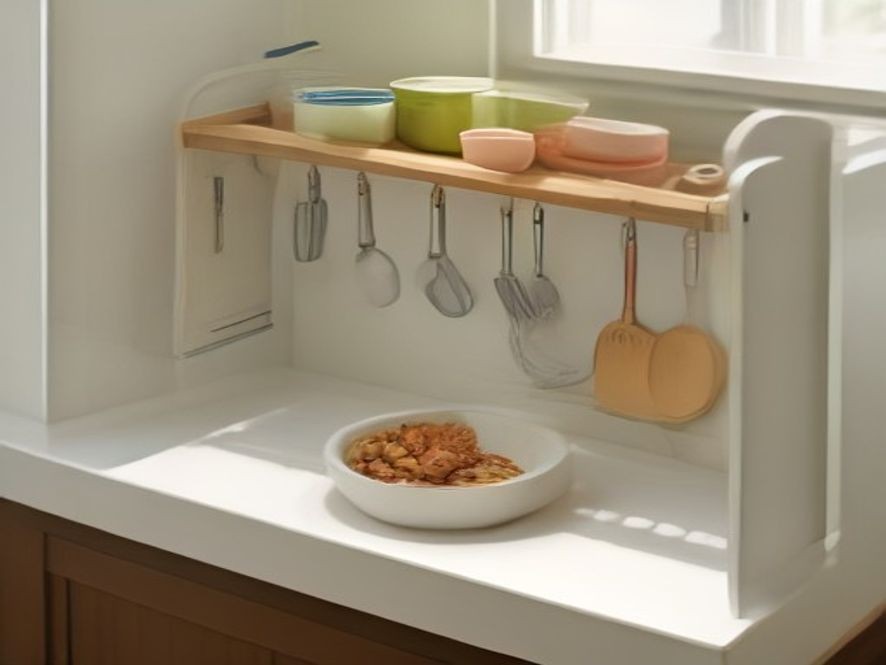
Your walls are valuable real estate. Space utilization means thinking beyond just cabinets and countertops. Install shelves above the sink or near the ceiling for items you don’t use daily. Hang a pegboard for pots, pans, and utensils. Even the side of your refrigerator can hold a magnetic spice rack.
“I mounted a simple rail under my upper cabinets and hung all my measuring cups and spoons there,” says home cook Diana Perez. “It freed up an entire drawer.”
Drawer Organization Tricks
Keep only what you need in your drawers. Use dividers to separate utensils, and consider storing lids separately in a rack or hanging them on the cabinet door. Roll towels instead of folding them to save space.
Essential Storage Tools for Small Kitchens:
- Magnetic knife strips
- Stackable shelf risers
- Over-door organizers
- Wall-mounted spice racks
- Ceiling pot racks
- Under-sink pull-out organizers
Practical Tips for Small Kitchen Living
Living with a small kitchen requires a different mindset. Here are some real-world strategies from people who’ve mastered it.
One-In, One-Out Rule
Every time you buy something new for your kitchen, get rid of something old. This simple habit keeps clutter from building up and forces you to think carefully about each purchase.
Multi-Tasking Tools Are Your Best Friends
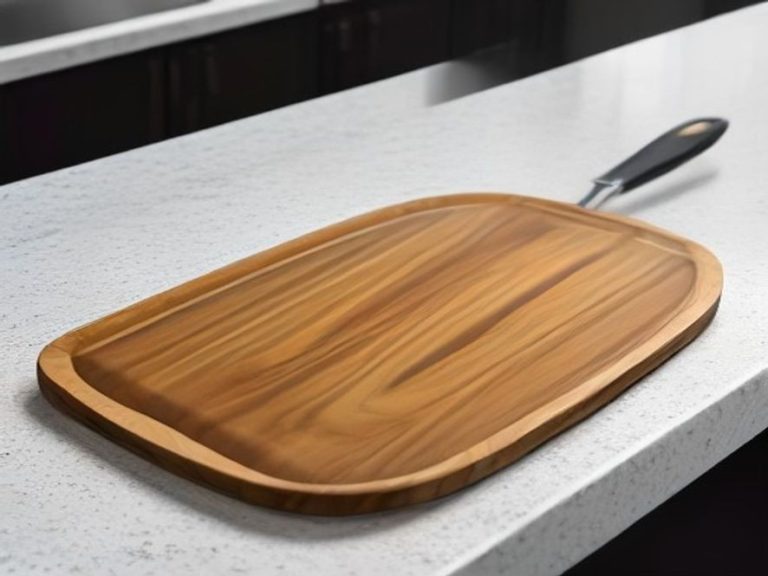
Look for tools that do double duty. A cutting board that fits over your sink doubles as extra prep space. A colander that nests inside a bowl saves storage space. A kettle that’s also a tea infuser eliminates an extra gadget.
Regular cleaning prevents grease buildup and keeps your small kitchen feeling fresh.
Regular Assessment of Your Kitchen Tools
Take everything out of your cabinets once a year. If you haven’t used something in the past six months, consider donating or selling it. This is especially important for appliance depreciation—some tools lose value quickly and aren’t worth keeping.
Safety Reminder: Always unplug appliances before cleaning or repairing them.
FAQ: Choosing Kitchen Essentials for Small Spaces
How do I choose the right size cookware for a small kitchen?
Choose pans that are 8–10 inches in diameter and pots that are 2–5 quarts; they fit better on small burners and store more easily.
What are the best countertop appliances for tiny kitchens?
A toaster oven, immersion blender, and compact Instant Pot offer the most versatility for the least counter space.
How can I store pots and pans without cabinets?
Use a ceiling pot rack, a wall-mounted pegboard, or a narrow rolling cart that fits between cabinets.
Should I buy a full-size refrigerator for a small kitchen?
Measure your space first; sometimes a counter-depth or under-counter refrigerator actually works better for tight spaces.
What’s the most important thing to consider when buying for a small kitchen?
Always measure your storage spaces before buying anything, and choose multi-use tools over single-use gadgets.
How do I keep my small kitchen organized long-term?
Adopt the “one in, one out” rule and do a seasonal purge of items you no longer use.
Are expensive small appliances worth it for a tiny kitchen?
Only if you’ll use them daily; otherwise, a mid-range option often provides the same functionality without the waste.
Which small kitchen problem do you want solved next? Share your questions in the comments.
Expert Resources for Small Kitchen Planning: