How to Build a Complete Kitchen With Only the Essentials: The No-Clutter, No-Waste Guide
You don’t need a kitchen full of gadgets to cook amazing meals — you just need the right essentials that actually earn their keep.
That drawer stuffed with single-use gadgets you never touch. That cabinet overflowing with pots you haven’t used in years. The pantry full of ingredients you bought for one recipe and forgot about. Most kitchens have way too much stuff and not enough function. This guide strips it all back to what actually matters — so you can cook with confidence, clean up faster, and stop wasting money on things you don’t need.
TL;DR
Building a complete kitchen with only the essentials means focusing on versatility, quality, and real-world use. This guide covers the absolute must-haves: a chef’s knife, a few key pans, everyday utensils, basic dinnerware, and pantry staples that make cooking possible. Skip the single-use gadgets, avoid cookware sets with unnecessary pieces, and invest in tools that can handle multiple jobs. A complete kitchen isn’t about quantity — it’s about having the right things.
Key Takeaways
- Versatility is everything — choose tools that handle multiple tasks
- Quality over quantity — a few good items outperform a drawer full of junk
- Every tool must earn its footprint — if you don’t use it weekly, it doesn’t belong
- Pantry basics > fancy ingredients — oil, salt, pasta, rice, and canned goods go further
- Shop strategically, not emotionally — avoid buying gadgets that look cool but collect dust
The Real Problem: Too Much Stuff, Not Enough Kitchen
Kitchen consultant and professional organizer Liana Zavo once told a client, “Take everything out of your kitchen and place it on the floor. Keep only the items you truly love and use on a regular basis. Put back the knives you use, the pots and pans you cook with, and the appliances that are your favorites” . It’s a simple but powerful exercise — and most people are shocked by how much they don’t actually need.
The truth is, a complete kitchen isn’t about having every tool ever made. It’s about having the right tools that work hard and play well together. A kitchen that’s stripped down to the essentials feels bigger, works better, and makes cooking more enjoyable.
The Essential Cookware: What You Actually Need
The Pan Lineup That Covers Everything
You don’t need a dozen pans. You need four.
Nonstick skillet (10-12 inches) — Your everyday workhorse. Perfect for eggs, pancakes, fish, and quick sautéing. This is the pan you’ll reach for most often, so invest in one with a durable coating.
Cast iron skillet (10-12 inches) — The pan that lasts a lifetime. Great for searing meat, baking cornbread, and going from stovetop to oven. Cast iron actually improves with use and can last for generations with proper care.
Medium saucepan (3-4 quarts) — Essential for boiling pasta, reheating soup, cooking rice, and making sauces. This is your daily pot.
Large stockpot or Dutch oven — For chili, stews, cooking for guests, and one-pot meals. A Dutch oven is especially versatile because it works on the stovetop and goes right into the oven.
What to Skip
Those shiny 12-piece cookware sets often include pieces you’ll never use — small pans, weird-sized pots, and lids that don’t fit anything well. Buy individual pieces instead. You’ll get better quality and only buy what you actually use.
The Knife Setup: Just Three Blades
A full knife block with 15 pieces is a waste of money and counter space. Here’s what you actually need:
Chef’s knife (8-inch) — Your workhorse for chopping, slicing, dicing, and mincing. It handles 80% of your cutting needs. Invest in a quality knife from a trusted brand — it’s worth spending more because it will last for years.
Paring knife — For smaller jobs like peeling fruit, trimming vegetables, and detailed work where the chef’s knife is too big.
Serrated bread knife — Essential for slicing bread and tomatoes without crushing them.
Knife Care
Never put knives in the dishwasher — it damages the blade and handle. Clean them by hand with warm soapy water and dry immediately. Store them on a magnetic strip or in a knife block — never loose in a drawer where they can dull or cause injuries. And keep them sharp. A sharp knife is safer than a dull one because it requires less pressure.
Essential Utensils: The Tools You Actually Reach For
These are the everyday tools that make cooking smooth and efficient:
- Wooden spoon — No tool can replace the humble wooden spoon. It’s strong enough to scrape up caramelized bits from the pan but gentle on nonstick surfaces. Plus, wood doesn’t conduct heat, so the handle stays cool.
- Silicone spatula — Heat-resistant, durable, and won’t scratch your pans. Perfect for scrambled eggs, stirring sauce, and scraping every last bit from bowls.
- Tongs — Your third hand for flipping, tossing, and serving.
- Ladle — For soups, stews, and moving liquid without mess.
- Can opener — You’ll thank yourself when staring at a can of beans.
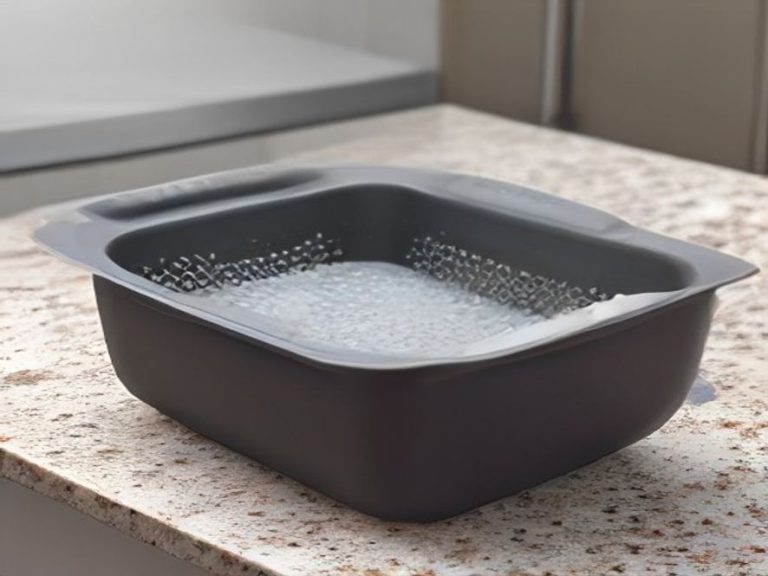
- Colander or strainer — You will be making pasta, and you will need this.
- Measuring cups and spoons — Because “eyeballing” rarely works out.
- Peeler — A good Y-shaped peeler makes quick work of vegetables.
- Whisk — For emulsifying dressings, beating eggs, and mixing.
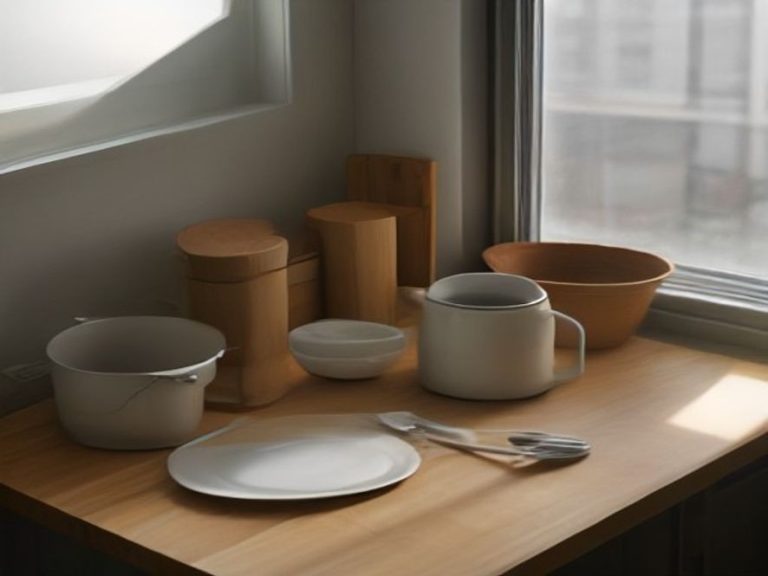
Dinnerware & Glassware: Keep It Simple
You don’t need Grandma’s fine china to have a complete kitchen. Start with versatile essentials:
- Plates (4-6) — Enough for you, a guest, and skipping dishwashing for a day
- Bowls (4-6) — Cereal, pasta, soup, ice cream — the multitaskers
- Glasses (4-6) — For water, juice, and whatever else
- Coffee mugs (2-4) — One for mornings, one for when the first is still in the sink
- Silverware set — A basic starter set is plenty
Appliances: What Earns Its Spot
Every appliance has to earn its counter space. Here’s the bare minimum:
Must-haves:
- Microwave — Essential for reheating leftovers and quick meals
- Coffee maker or electric kettle — Non-negotiable if caffeine is part of your morning
- Blender — Smoothies, sauces, pancake batter — more useful than you’d think. If you make a lot of soups or smoothies, an immersion blender takes up even less space.
Nice-to-haves (only if you’ll use them):
- Toaster or toaster oven — For bread, bagels, and frozen waffles
- Air fryer — Great for quick, crispy meals
- Slow cooker or Instant Pot — Set-it-and-forget-it meals are life-savers on busy days
Skip entirely:
- Single-use gadgets (egg cookers, quesadilla makers, popcorn poppers)
- Giant “all-in-one” machines that do everything poorly
- Appliances you can’t remember the last time you used
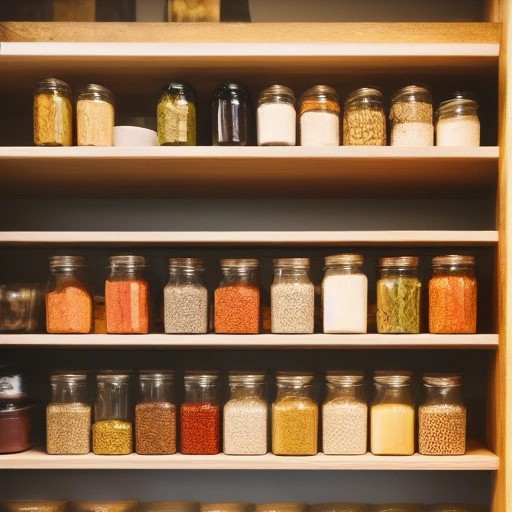
Pantry Staples: Always Ready to Cook
Stocking a few pantry basics means you can throw together a meal without running to the store. Here’s what matters:
Oils and seasonings:
- Olive oil or cooking oil
- Salt and pepper
- Garlic powder, onion powder, dried herbs (oregano, thyme)
- Vinegar (white or apple cider)
Pantry workhorses:
- Pasta (spaghetti or penne)
- Rice (long-grain white rice works for almost everything)
- Canned tomatoes (diced or crushed)
- Canned beans (chickpeas, black beans)
- Pasta sauce (jarred)
- All-purpose flour and sugar
- Broth (chicken or vegetable)
Having just these items means you can make a simple meal anytime, without the stress of a last-minute grocery run.
The One Pot, One Pan Challenge
Here’s a useful test: if you could only keep one pot and one pan, what would they be?
The winner: A 12-inch cast iron skillet and a 4-quart Dutch oven.
- Cast iron skillet — sears, sautés, bakes, and goes from stovetop to oven
- Dutch oven — boils, simmers, braises, bakes, and slow-cooks
These two pieces can handle nearly every cooking method you’ll use. Anything else is an upgrade, not a necessity.
Comparison: Essential vs. Nice-to-Have vs. Skip
| Category | Essential | Nice-to-Have | Skip |
|---|---|---|---|
| Cookware | Nonstick skillet, cast iron, saucepan, stockpot | Griddle, wok, extra sized pans | Full cookware sets with tiny useless pans |
| Knives | Chef’s, paring, bread | Santoku, filet, steak knives | 15-piece knife blocks |
| Utensils | Wooden spoon, spatula, tongs, ladle, can opener | Microplane, garlic press | Unitaskers |
| Appliances | Microwave, coffee maker, blender | Air fryer, toaster oven, slow cooker | Egg cooker, quesadilla maker, popcorn popper |
| Bakeware | Baking sheet, mixing bowls | Muffin tin, cake pans, pie dish | Seasonal baking items |
| Storage | Basic containers, foil, plastic wrap | Glass containers, specialized organizers | Matching sets of everything |
Storage and Organization: Keep It Simple
A complete kitchen doesn’t need elaborate organization systems. Here’s what works:
Cabinet organization:
- Store items by frequency of use — most-used at eye level
- Use drawer organizers for utensils
- Stack mixing bowls and pots to save space
- Keep baking sheets vertical in a narrow cabinet or rack
Counter management:
- Keep only daily-use items out
- Store appliances you use less than weekly in cabinets
- Clean as you go — a cluttered counter makes cooking stressful
Frequently Asked Questions
What are the most important kitchen tools for a beginner?
A chef’s knife, cutting board, nonstick skillet, saucepan, and wooden spoon cover about 90% of everyday cooking needs.
Should I buy a full cookware set?
No. Start with individual essential pieces rather than a full set — you’ll get better quality and only buy what you actually use.
How much should I spend on a chef’s knife?
Invest in a quality knife from a trusted brand — it’s worth spending $50-$100 because it will last for years with proper care.
What’s the best way to build a pantry without overspending?
Start with 5-10 basics: oil, salt, pepper, garlic powder, pasta, rice, canned tomatoes, canned beans, and a jar of pasta sauce. Add as you need for specific recipes.
How many pots and pans do I really need?
Four: a nonstick skillet, a cast iron skillet, a medium saucepan, and a stockpot or Dutch oven.
What appliances should I skip entirely?
Single-use gadgets that only do one job — egg cookers, quesadilla makers, popcorn poppers, and specialized slicers.
The Bottom Line
Building a complete kitchen with only the essentials is about being intentional. Every tool should earn its spot by being versatile, durable, and actually used. A kitchen that’s stripped down to the essentials:
- Saves you money — you stop buying things you don’t need
- Reduces clutter — fewer items mean easier cleaning
- Makes cooking easier — you always know where everything is
- Improves your cooking — focusing on quality tools improves results
As professional organizer Liana Zavo puts it: “Trying to have everything and a full kitchen can be a trap” . The goal isn’t to have the most tools — it’s to have the right tools that let you cook the food you actually want to eat.
Essential Kitchen Setup and Home Cooking Resources:
- Bon Appétit First Apartment Starter Kit
- The Kitchn’s Pantry Staples Guide
- Consumer Reports Kitchen Appliance Ratings
What’s the one kitchen tool you couldn’t live without? Share your essential in the comments — I’d love to hear what makes your kitchen work.