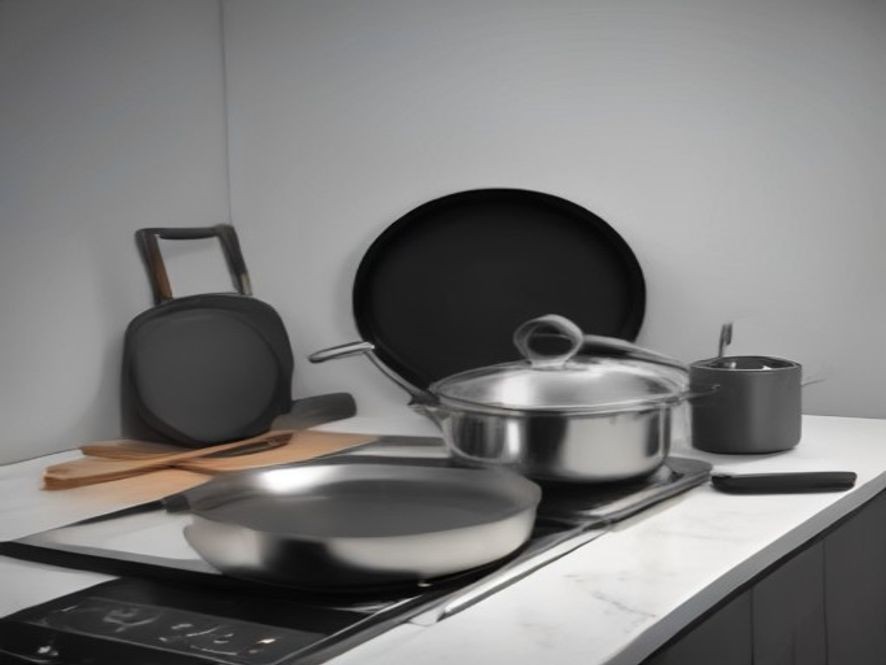
Kitchen Essentials for Electric Stove Cooking: Your Complete Equipment Guide
That flat, smooth cooking surface heats up reliably every time—but to get the best results, you need the right pans and a few smart habits.
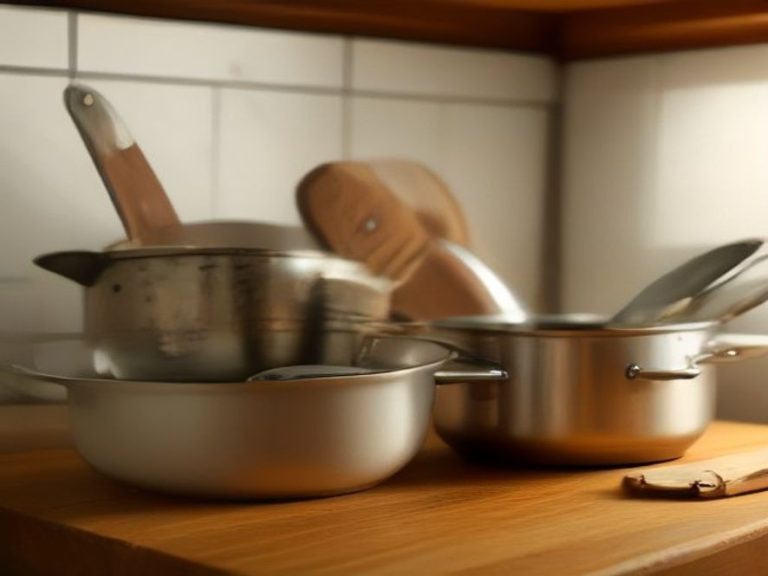
Cooking on an electric stove is different from gas. The heat comes from a coil or a radiant element beneath a glass surface, and it doesn’t respond as quickly when you adjust the temperature . But here’s the good news: with the right cookware and a few simple techniques, you can get excellent results. Let’s look at what actually works.
Best Cookware Materials for Electric Stoves
The most important factor is a flat, smooth bottom that sits flush with the burner . If your pan is warped or uneven, heat won’t transfer properly, and you’ll get hot spots.
Stainless Steel (With a Bonded Base)
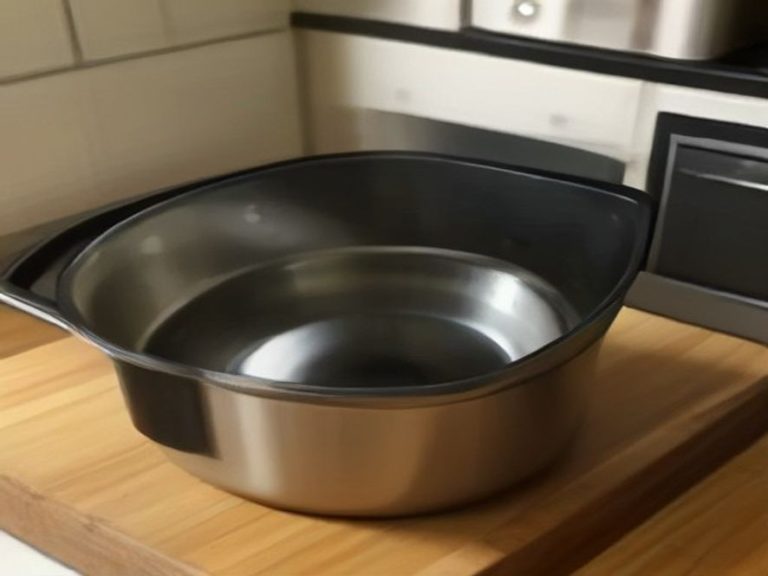
Stainless steel is a top choice for electric stoves. Look for tri-ply or multi-ply construction—this means the pan has layers of aluminum or copper sandwiched between steel for even heating . A thick, bonded bottom prevents hot spots and distributes heat evenly. It’s durable, oven-safe, and works on any stovetop .
Carbon Steel
Carbon steel heats up quickly and responds well to temperature changes, which helps compensate for an electric stove’s slower reaction time . It holds heat beautifully and develops a natural nonstick surface when seasoned. Plus, it’s lighter than cast iron, making it easier to handle . A flat-bottomed carbon steel wok is your best bet for stir-frying on an electric stove .
Cast Iron (With a Caveat)
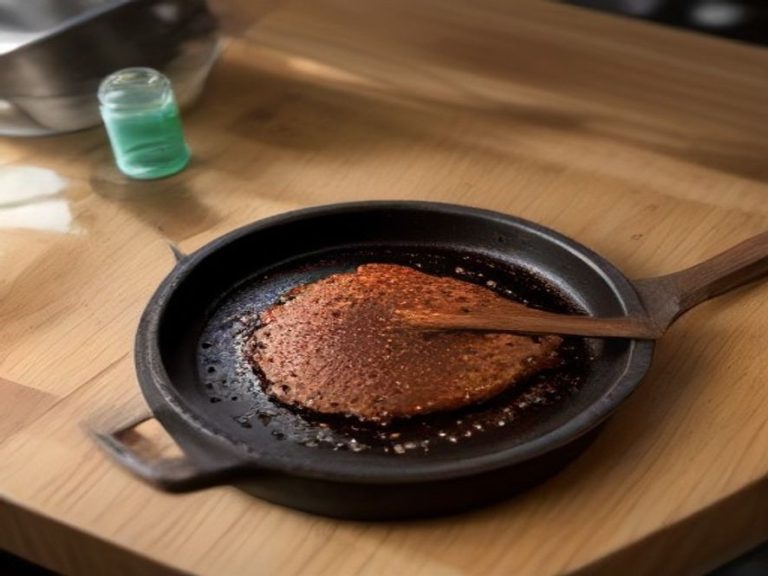
Cast iron is great for heat retention—once it’s hot, it stays hot. But unfinished cast iron can scratch glass-top stoves . If you love cast iron, choose one with a smooth, enameled finish to protect your cooktop .
Nonstick and Ceramic Pans
A sturdy, flat-bottomed nonstick pan works well on electric stoves . Look for one with a thick, layered base for even heating. Ceramic nonstick coatings are also an option, but check that the pan has a magnetic base so it’s compatible with the stove .
What to Avoid
- Thin, cheap cookware—it warps easily and creates hot spots
- Rough-bottomed pans—they scratch glass surfaces
- Pans that are too large or too small for the burner—this wastes energy and causes uneven cooking
- Excessively heavy pots—a full stockpot can crack a glass top
Tips for Cooking on an Electric Stove
Match Your Pan to the Burner
Using a pan that’s too small for the burner can overheat the sides and scorch your food. A pan that’s too large won’t heat evenly. Match the pan size to the burner for efficient, even cooking .
Preheat Slowly
Electric stoves take time to heat up, but they also hold heat well. Set the burner to medium heat and give your pan a few minutes to warm up before adding oil or food. Preheating helps prevent sticking and gives you better browning .
Learn Your Stove’s Settings
The dial numbers aren’t the same on every stove. Get to know your own stove—medium-high might be perfect for searing on yours, while medium might be better for sautéing .
Remove the Pan When You’re Done
Electric coils stay hot after you turn them off. If you leave the pan on the burner, your food will keep cooking. Move the pan to another burner or a hot plate to stop the cooking process .
For Stir-Fry: Use a Flat-Bottomed Wok
Traditional round-bottomed woks don’t work on electric stoves because not enough of the pan touches the heat source. Buy a flat-bottomed wok and preheat it well. Cook in small batches so the pan stays hot .
Comparison Table: Cookware for Electric Stoves
| Cookware Material | Best For | Key Benefit | Watch Out For |
|---|---|---|---|
| Stainless Steel (Tri-Ply) | Everyday cooking | Even heating, durable | Food can stick if not preheated |
| Carbon Steel | Searing, quick cooking | Fast heat response, lightweight | Needs seasoning |
| Cast Iron (Smooth/Enameled) | Slow cooking, frying | Great heat retention | Heavy, can scratch glass tops |
| Nonstick | Eggs, fish, delicate foods | Easy cleanup | Not for high-heat searing |
| Ceramic | Health-conscious cooking | PFAS-free options | Coating sensitivity to high heat |
FAQ: Electric Stove Essentials
Can I use cast iron on a glass-top electric stove?
Yes, but choose a smooth-bottomed or enameled cast iron pan. Rough cast iron can scratch the glass surface .
What’s the best material for even heating?
Stainless steel with a thick, bonded base (tri-ply or five-ply) is excellent. Carbon steel also heats evenly and responds quickly to temperature changes .
Why does my pan wobble on my electric stove?
The pan may be warped. Heat can cause thin pans to warp over time. Choose heavy-bottomed, flat pans to ensure full contact with the burner .
Can I use a wok on an electric stove?
Yes, but use a flat-bottomed wok designed for electric hobs. Traditional round woks won’t make enough contact with the heat source .
What heat setting should I use for cooking?
Medium heat is your go-to for most cooking. Use high for boiling water and searing. Low is for simmering and keeping food warm. Get to know your specific stove’s settings .
How do I keep my glass-top stove scratch-free?
Lift pans instead of sliding them. Choose cookware with smooth bottoms. Clean with non-abrasive products and soft sponges .
With the right cookware and a few smart habits, your electric stove can deliver delicious, evenly cooked meals every time.
- Made In Cookware: Best Cookware for Electric Stoves Guide
- de Buyer: Best Cookware for Electric Stoves
- Chowhound: Mistakes Everyone Makes on Electric Stovetops
What’s your biggest challenge cooking on an electric stove? Drop a comment below—I’d love to help troubleshoot.