The Best Way to Set Up Your First Kitchen: A Complete Guide to Essentials You Actually Need
You just signed the lease, you have your keys, and now you are standing in an empty kitchen wondering how on earth you are supposed to cook anything with zero tools and a very tight budget.
This is a moment many of us remember. The excitement of your first place comes with the realization that you need a lot of stuff. Pots, pans, plates, utensils—it adds up fast. But the truth is, you do not need a fully stocked gourmet kitchen on day one. You just need a smart starter set that gets you cooking real meals without breaking the bank or overcrowding your cabinets .
TL;DR: This guide covers the essential tools you need for a functional first kitchen—cookware, utensils, dinnerware, and cleaning supplies. It highlights what to invest in, what to skip, and how to build your kitchen slowly without overspending. With the right approach, you can cook delicious meals and save money by eating at home.
Key Takeaways
- Start Small: Buy only what you need for basic meals—one skillet, one pot, a chef’s knife, and a few utensils .
- Invest in a Good Knife: A sharp chef’s knife is your most important tool and worth spending on .
- Skip the Gadgets: Fancy one-use tools like egg slicers and garlic presses are often a waste of space and money .
- Keep It Simple: Four to six place settings of plates, bowls, and silverware are plenty for a first apartment .
- Build Slowly: Add more tools over time based on how you actually cook, not what you think you need .
The Real Causes Behind First Kitchen Overwhelm and How to Fix It
When you are setting up a kitchen from nothing, it is easy to feel like you need everything at once. You see beautiful photos of organized pantries and matching cookware sets. But here is the secret: most of those kitchens were built over years, not days.
Why We Buy Too Much (or Too Little)
Many first-timers fall into the trap of buying big matching sets because they seem grown-up. But cheap sets often have pans that warp and coatings that flake off . Other people buy too many single-use gadgets that gather dust. The sweet spot is buying a few quality pieces that work hard and earn their space .
“Most kitchen problems come from small maintenance habits that are often ignored.”
The Strategic Approach
The best way to build a first kitchen is to think about what you actually eat. If you love pasta, a good pot and colander are essential. If you are all about eggs and stir-fries, a nonstick skillet is your best friend. Start with the tools that match your cooking style, and add more as you go .
Essential Cookware: What You Actually Need to Cook
You do not need a 12-piece cookware set. You need a few reliable pieces that can handle everyday meals.
The Versatile Skillet
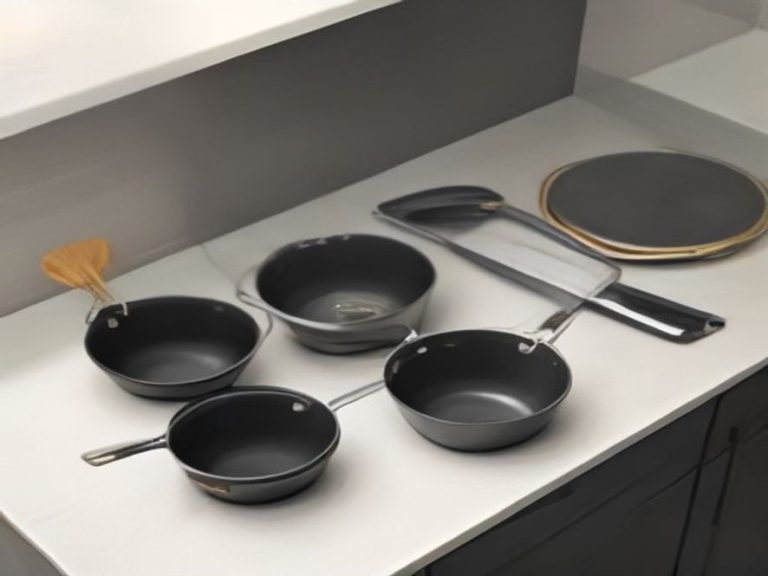
A 10- to 12-inch skillet is the workhorse of any kitchen. It handles eggs, pancakes, stir-fries, and searing meat. Experts recommend choosing a quality nonstick, carbon-steel, or titanium-coated pan rather than the cheapest option, which can warp and flake .
The Medium Saucepan
A medium saucepan (2–3 quarts) is perfect for heating soups, cooking rice, boiling eggs, and making small batches of pasta. It is one of the most-used pots in any first kitchen .
The Large Pot or Stockpot
You will need a larger pot for pasta, chili, and soup nights. A 6- to 8-quart pot is a good size for cooking for one or two people with leftovers . Some experts recommend getting one with a lid for versatility .
The Baking Sheet
A rimmed baking sheet is not just for cookies. It is perfect for sheet-pan dinners, roasting vegetables, and heating frozen food. These are affordable and incredibly useful .
The Casserole Dish
A 9×13 glass or ceramic baking dish is great for casseroles, lasagna, and brownies. Bonus: it doubles as a storage container .
Optional: The Dutch Oven
If you love soups, stews, or one-pot meals, a Dutch oven is a worthy investment. It can go from stovetop to oven and retains heat beautifully. But it is not a must-have on day one .
Essential Kitchen Tools: The Utensils That Make Cooking Easy
These are the everyday tools that actually help you cook without frustration.
A Sharp Chef’s Knife (Your Most Important Tool)
Every single expert agrees: a good chef’s knife is the most important tool in your kitchen . A sharp knife is safer than a dull one because it does not slip. It also makes prep work faster and more enjoyable. You can get a good quality chef’s knife for $30–$65, and it will last for years . You do not need an entire knife block—a chef’s knife, a paring knife, and maybe a serrated knife are enough .
Cutting Boards
You need at least one large cutting board. Two is better: one for raw meat and one for produce, to prevent cross-contamination . Plastic boards are easy to clean and dishwasher-safe . Wood boards are nice too, but they require more care .
Measuring Cups and Spoons
Unless you are confident in your eyeballing skills, you need measuring tools. Measuring spoons that fit into spice jars are especially handy . For baking, a digital kitchen scale is a game-changer .
The Can Opener
Do not be the person who tries to open a can of beans with a knife. Just buy a sturdy can opener. It is cheap and will last for years .
Utensils That Earn Their Keep
Here is a basic starter set: a spatula, tongs, a wooden spoon, a silicone spatula, a whisk, and a ladle . A colander is also essential for pasta and rinsing canned beans .
The Instant-Read Thermometer
This small tool is surprisingly important for new cooks. It takes the guesswork out of cooking meat and helps you avoid undercooking or drying out your food . It costs around $10–$15 and pays for itself quickly by preventing wasted food .
Optional Upgrades
A Microplane is great for zesting citrus and grating cheese . A box grater is a more affordable alternative . Kitchen shears are also useful for cutting herbs and opening packages .
Dinnerware and Drinkware: Keep It Practical
You do not need fine china. You need enough plates and bowls to get through a few days between dishwashing.
- Plates: 4–6 dinner plates
- Bowls: 4–6 bowls for cereal, pasta, and soup
- Glasses: 4–6 glasses for water and juice
- Mugs: 2–4 coffee mugs
- Silverware: 4–6 sets of forks, spoons, and knives
You can find affordable starter sets at places like Target, Walmart, or IKEA. If you are on a tight budget, keeping a few paper plates on hand is okay too .
Small Appliances: Choose Wisely
Appliances are where people tend to overspend and clutter their counters. Start with what you actually use.
Coffee Maker (Non-Negotiable for Many)
If coffee is part of your morning, a coffee maker is a must. You do not need a fancy espresso machine—a simple drip maker or a French press is fine .
Toaster or Toaster Oven
A toaster is cheap and useful for bread and bagels. A toaster oven is more versatile and can reheat leftovers without a microwave .
Microwave
If your apartment does not come with one, a microwave is a lifesaver for reheating leftovers . Some people prefer a toaster oven for this purpose, but a microwave is faster.
Blender or Immersion Blender
A regular blender is great for smoothies and sauces. If you have limited space, an immersion blender takes up much less room and can do many of the same tasks .
Skip (For Now)
Air fryers and Instant Pots are nice, but you do not need them on day one. Wait until you know your cooking habits before buying them .
Pantry Staples: What to Stock First
You have the tools. Now you need the ingredients to cook with.
Oils
- Olive oil (for cooking and finishing)
- Neutral oil like vegetable or avocado (for high-heat cooking)
Seasonings
- Kosher salt (coarser and more forgiving than table salt)
- Black pepper (freshly ground is best)
- Garlic and onion powder
- Dried herbs like Italian seasoning
Grains and Canned Goods
- Pasta and rice
- Canned tomatoes, beans, and vegetables
- Jarred pasta sauce
Fridge Staples
- Eggs, butter, and a block of Parmesan cheese (which lasts for weeks)
Cleaning and Storage: The Stuff You Will Forget
These items are easy to overlook, but they make your kitchen functional.
Cleaning Supplies
- Dish soap
- Sponges or scrub brushes
- Dish towels and dishcloths
- Oven mitts or pot holders
- Trash can and trash bags
Food Storage
- A small set of food storage containers for leftovers
- Aluminum foil, plastic wrap, or parchment paper
- Zip-top bags
Comparison Table: Must-Have vs. Nice-to-Have
| Item | Purpose | Category | Cost Estimate |
|---|---|---|---|
| Chef’s Knife | Chopping, dicing, slicing | Essential | $30–$65 |
| 10″ Nonstick Skillet | Eggs, pancakes, quick meals | Essential | $20–$50 |
| Medium Saucepan | Soups, rice, reheating | Essential | $15–$40 |
| Large Stockpot | Pasta, chili, one-pot meals | Essential | $20–$50 |
| Baking Sheet | Sheet-pan dinners, cookies | Essential | $10–$20 |
| Cutting Board | Food prep surface | Essential | $10–$30 |
| Tongs | Flipping and serving | Essential | $5–$15 |
| Instant-Read Thermometer | Checking meat doneness | Nice-to-Have | $10–$15 |
| Dutch Oven | Soups, stews, bread | Nice-to-Have | $50–$100+ |
| Air Fryer | Quick crispy meals | Nice-to-Have | $50–$100+ |
Chart: Building Your Kitchen on a Budget
This chart shows how much you might spend to build a functional first kitchen from scratch.
Estimated Budget for a First Kitchen Setup
Note: These are average estimates for budget-friendly starter items.
FAQ Section
1. What are the most essential items for a first kitchen?
A chef’s knife, a skillet, a medium saucepan, a stockpot, a cutting board, measuring cups, and basic utensils .
2. How much should I spend on kitchen essentials?
You can get started with about $300–$400 for the basics. Spend more on your knife and cookware .
3. What kitchen tools can I skip when starting out?
Skip single-use gadgets like garlic presses, apple slicers, avocado tools, and expensive stand mixers unless you know you will use them .
4. Is a knife set or individual knives better?
Buy a chef’s knife and a paring knife individually. Knife sets often include knives you will never use .
5. What pantry staples should I buy first?
Olive oil, salt, pepper, pasta, rice, canned tomatoes, and beans will let you make many basic meals .
6. Should I buy nonstick or stainless steel cookware?
Nonstick is easiest for beginners, especially for eggs and fish. Stainless steel lasts longer but requires more skill .
7. Where can I save money when setting up a kitchen?
Secondhand stores, hand-me-downs from family, and budget-friendly stores like Target and IKEA are great for starters .
References
Trusted Sources for Setting Up Your First Kitchen:
- This Farm Girl Cooks – First Kitchen Essentials List
- Bon Appétit – First Apartment Starter Kit
- Yahoo – Professional Chefs’ Smart Purchases for Beginners
- N.C. Cooperative Extension – Setting Up Your First Kitchen
Which first kitchen problem do you want solved next? Share your thoughts in the comments.