The Complete Guide to Why Your Kitchen Surface Feels Greasy After You Wipe It: Causes and Solutions
You wipe down your kitchen counters, but instead of feeling clean and smooth, they still feel greasy and tacky—making you wonder if you’re just spreading the grime around.
You know the frustration. You grab your cleaning spray, wipe with a cloth, and expect a fresh, clean surface. But when you run your hand across it, there’s still a slick, greasy film. This is one of the most common and annoying problems in kitchen cleaning. The good news is that this isn’t your fault, and there are simple, effective ways to fix it.
TL;DR
- You’re likely just spreading the grease, not removing it. Many all-purpose cleaners and “spray and wipe” methods push grease into a thin, invisible film instead of dissolving it .
- Cooking releases airborne grease that settles on surfaces. Even if you don’t spill anything, frying and sautéing create a fine mist that coats cabinets, counters, and backsplashes .
- Using the wrong cleaner or tool is a major factor. Some products aren’t strong enough for kitchen grease, and dirty cloths just redeposit grime .
- The solution is simple: Use a degreasing cleaner or a simple dish soap and water mixture, let it sit for 30 seconds to a minute, and rinse with a clean, damp cloth .
Key Takeaways
- Grease is sticky and bonds to surfaces. Regular cleaners may not have the strength to break it down, leaving a residue .
- The “spray and wipe” method often fails. You need to give the cleaner time to work and use enough moisture to lift the grease .
- Dirty cleaning cloths are a hidden culprit. Wiping with a greasy cloth just reapplies the oil .
- For heavy grease, use a dedicated degreaser or a simple solution of dish soap and hot water .
- Rinsing and drying are essential steps. A thorough final wipe with clean water removes residue and prevents streaks .
Why Surfaces Feel Greasy After Cleaning: The Real Causes
1. You’re Only Wiping, Not Cleaning
This is the number one reason surfaces stay greasy. Wiping is not the same as cleaning. When you “spray and wipe” quickly, you’re often just pushing the grease into an invisible, thin layer . It’s like spreading butter on toast—you might not see it, but it’s there .
How to fix it:
- Don’t just wipe—scrub lightly to loosen the grease .
- Use enough cleaner to fully wet the surface, not just a fine mist .
- Allow the cleaner to sit for 30 seconds to a minute to break down the grease before wiping .
2. You’re Not Using a Degreaser
Many all-purpose cleaners aren’t formulated to break down cooking oils and fats . Kitchen grease is stubborn—it’s designed to withstand heat, so it’s naturally resistant to gentle cleaners. If your cleaner doesn’t specifically mention cutting grease, it might not be strong enough for the job .
How to fix it:
- For kitchen surfaces, use a dedicated degreaser for heavy buildup .
- For a natural alternative, use dish soap and hot water—dish soap is formulated to break down oils .
- For tough grease, try a paste of baking soda and dish soap .
3. You’re Using Dirty or Greasy Cloths
This is one of the most common mistakes. Using a cloth that already has grease on it just transfers that grease back onto the surface you’re trying to clean . If you use the same cloth for multiple surfaces, you’re also cross-contaminating—the grease from the stovetop ends up on your countertops.
How to fix it:
- Use a clean, fresh cloth for each cleaning session .
- Keep separate cloths for different tasks (counters, appliances, floors) .
- Wash your cleaning cloths thoroughly in hot water after each use .
- Replace sponges and cloths regularly—they harbor bacteria and grease .
4. You’re Not Rinsing After Using Cleaner
Most cleaners leave a residue if you don’t rinse them off. This residue can feel greasy or tacky, and it attracts new dirt . Especially with natural cleaners like vinegar, leaving them on can feel sticky.
How to fix it:
- After cleaning, go over the surface again with a clean, damp cloth to remove any remaining product .
- For soapy water, follow up with plain water to rinse .
- Dry thoroughly with a clean, dry cloth—this prevents water spots and streaks .
5. Airborne Grease Is Constantly Settling
This is the one you can’t fully avoid. Whenever you cook—especially frying, sautéing, or searing—tiny oil droplets become airborne and settle on every surface in your kitchen . This is why your cabinets and backsplash get greasy even if you’re careful.
How to fix it:
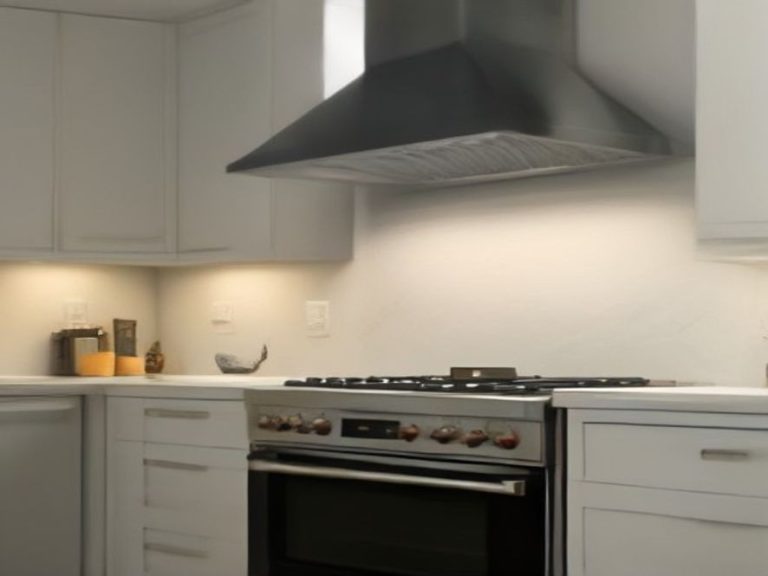
- Always use your range hood while cooking .
- Leave the exhaust fan on for 5–10 minutes after you finish cooking .
- Wipe down surfaces daily, even if they look clean, to prevent a layer of grease from building up .
- Use splatter screens when frying .
6. You’re Using the Wrong Cleaner for the Surface
Different surfaces have different cleaning needs. For example, using a cleaner designed for stainless steel on laminate or a granite cleaner on quartz can leave residues that feel greasy or streaky .
How to fix it:
- Match your cleaner to your surface .
- For most surfaces, warm water with a few drops of dish soap is a safe and effective choice .
7. You’re Using Hard Water
If you live in a hard water area, mineral deposits from the water can mix with soap and cleaner residue, creating a film that feels greasy or gritty .
How to fix it:
- Dry surfaces immediately after rinsing .
- Use filtered water for final rinses .
The Best Way to Clean a Greasy Kitchen Surface
Here’s a simple, foolproof method to remove grease from any kitchen surface:
Step 1: Mix warm water with a few drops of dish soap (or use a dedicated kitchen degreaser).
Step 2: Apply the solution to the surface and let it sit for 30 seconds to a minute.
Step 3: Wipe with a clean, damp sponge or cloth, using gentle pressure to lift the grease.
Step 4: Rinse the area with a clean, damp cloth to remove any soap residue.
Step 5: Dry immediately with a clean, dry microfiber cloth.
Comparison Table: Why Surfaces Feel Greasy and How to Fix It
| Cause | Why It Happens | The Best Way to Fix It |
|---|---|---|
| Wiping vs. cleaning | Spreads grease into a thin, invisible film | Use more cleaner; let it sit; scrub gently |
| Wrong cleaner | All-purpose cleaners aren’t strong enough for kitchen grease | Use degreaser or dish soap and hot water |
| Dirty cloths | Transfer grease back onto surfaces | Use clean, fresh cloths; wash after each use |
| Skipping the rinse | Cleaner residue feels sticky or greasy | Rinse with clean, damp cloth; dry thoroughly |
| Airborne grease | Cooking releases oil particles that settle everywhere | Use range hood; wipe down surfaces daily |
| Hard water | Minerals mix with soap to create a film | Dry immediately; use filtered water for rinsing |
Chart: How Different Cleaners Tackle Kitchen Grease
The chart below shows how well common cleaning solutions cut through kitchen grease.
FAQs: Quick Solutions for Greasy Kitchen Surfaces
Why does my counter feel greasy after I wipe it?
You’re likely spreading the grease rather than removing it. This happens when you use a cleaner that isn’t strong enough, wipe too quickly, or use a dirty cloth .
What is the best cleaner for kitchen grease?
For a natural option, use hot water with a few drops of dish soap. For heavy grease, use a dedicated degreaser .
Should I rinse my counter after using a cleaner?
Yes. Rinsing with a clean, damp cloth removes any leftover cleaner residue that can feel sticky or greasy .
How often should I replace my cleaning cloths?
Wash them after each use and replace them every few weeks. Dirty cloths harbor bacteria and spread grease .
Can vinegar remove kitchen grease?
Yes, vinegar cuts through grease, but it’s not as strong as dish soap or a degreaser. It’s best for light cleaning and is safe only on non-stone surfaces .
Does the “spray and wipe” method work for grease?
For kitchen grease, it often fails. You need to let the cleaner sit and use enough moisture to lift the grease. Simply spraying and wiping often just spreads it .
Why do my cabinets feel sticky even after I wipe them?
Cabinets near the stove absorb airborne grease from cooking. Use a degreaser or dish soap solution and let it sit before wiping. You may need to repeat the process for heavy buildup .
Which kitchen problem do you want solved next? Share your thoughts in the comments.
References and Further Reading on Kitchen Grease Removal: