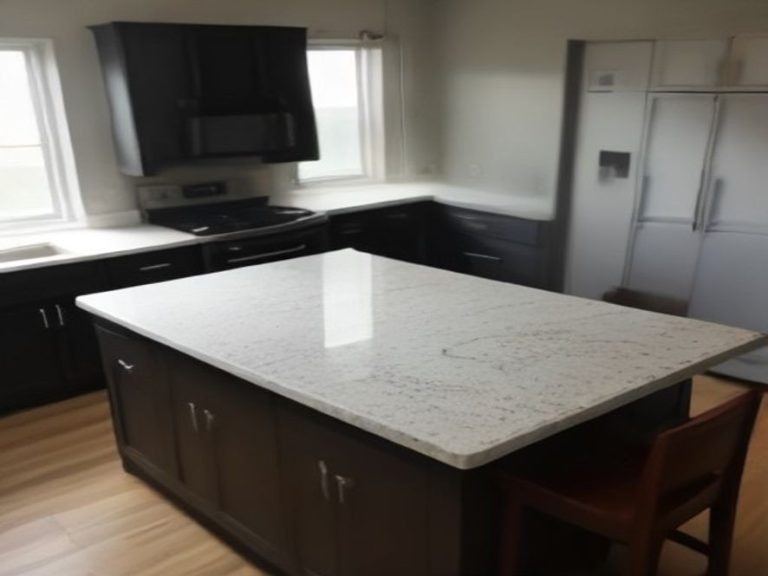
How to Remove Grease From Quartz Kitchen Countertops: The Best Guide for a Spotless Shine
That greasy splatter on your beautiful quartz countertop can make your whole kitchen feel messy and out of control.
You just finished cooking a delicious meal. The food was great, but now you’re staring at a greasy ring around the pan you left on the counter. It’s a small kitchen frustration that happens to everyone. The good news is that fixing it is usually much easier than you think, as long as you use the right approach for your quartz surface.
TL;DR
Quartz countertops are non-porous, so grease sits on the surface and doesn’t soak in. To remove grease, start with a simple solution of warm water and a few drops of mild dish soap. For tougher spots, use a baking soda paste or a gentle isopropyl alcohol dab. Avoid harsh chemicals, abrasive scrubbers, and anything acidic, as these can permanently damage your countertop’s finish. Regular cleaning after cooking is the best way to prevent grease buildup.
Key Takeaways
- Quartz is non-porous, which means grease does not soak into the material like it would with granite or marble .
- Mild dish soap and warm water is the safest and most effective everyday cleaner for grease on quartz .
- Avoid harsh chemicals like bleach, ammonia, oven cleaner, and acidic substances like vinegar, which can dull or discolor the surface .
- For stubborn grease, a paste of baking soda and water or a dab of isopropyl alcohol can lift the residue without scratching .
- Never use abrasive tools like steel wool or scouring pads; they will scratch the resin finish and ruin the shine .
The Real Causes of Greasy Countertops and How to Fix Them
The main culprit behind greasy countertops is simple: cooking. Every time you fry an egg, sauté vegetables, or brown meat, tiny droplets of hot oil splash out of the pan. Over time, these small spots add up to a dull, tacky film, especially in the area near your stovetop. It’s not just splatters, though. Simple actions can cause problems too:
- Placing oily pans or utensils directly on the surface.
- Not wiping up a spill quickly, letting it dry and harden.
- Using the wrong cleaning product that leaves a residue or damages the surface.
The reason this is a problem is that grease is stubborn. Water alone just slides right over it. You need something that can cut through the oil and lift it away.
Why Quartz Makes Grease Easier (and Harder) to Clean
This is where the science of your kitchen cleaning comes in. Quartz is an engineered stone made from crushed natural quartz crystals mixed with strong polymer resins. This process creates a surface that is non-porous . This is a huge advantage for kitchen maintenance because it means liquids and oils cannot soak into the material. A grease stain on a quartz countertop is always a surface-level problem. It’s not a permanent stain that has penetrated the stone.
The “harder” part is that the resin binder can be damaged by harsh chemicals. This means you can’t just use any heavy-duty kitchen degreaser. You have to be smart and gentle, but the process itself is straightforward.
The Step-by-Step Guide to Removing Grease from Quartz
When you see that greasy spot, here is the best way to fix it. Follow these steps in order, and your countertop will look good as new.
Step 1: Blot and Remove Excess Grease
If you have a fresh spill, use a paper towel to blot up as much of the oil as possible. Gently press the towel onto the spot to absorb the liquid. Don’t wipe or rub it, as this can spread the grease to a larger area . If the grease is already dry, you can skip to the next step.
Step 2: The Gentle Cleaner (Your First Line of Defense)
For most grease spots, this is all you need. Mix a few drops of mild dish soap (the kind you use for washing dishes by hand) into a cup of warm water. Dip a soft microfiber cloth or a non-abrasive sponge into the soapy water . Wring it out so it’s damp, not dripping wet. Wipe the greasy area and watch the residue disappear. Rinse your cloth with clean water and wipe the counter again to remove any soapy residue. Finally, dry the surface with a clean, dry microfiber cloth to restore its shine .
Step 3: Tackling Stubborn, Dried-on Grease
If the soap and water aren’t enough, it’s time to bring in a heavy hitter: baking soda. Make a thick paste by mixing baking soda with a few drops of water . Spread this paste over the stubborn spot. Cover it with plastic wrap and let it sit for a few hours, or even overnight. The baking soda will work as a gentle abrasive to lift the grease from the surface without scratching it. Once it’s dry, use a damp cloth to gently wipe the paste away. Rinse and dry the area.
Step 4: The “Secret Weapon” for Stubborn Spots
For the most stubborn grease residue that won’t budge, try dabbing the spot with a cloth dampened with isopropyl (rubbing) alcohol . This can be very effective at dissolving tough, sticky oil film. After dabbing, rinse the area with a clean, damp cloth and dry it thoroughly.
Comparison of Grease Removal Methods for Quartz
Here is a quick look at the most common methods to help you choose the best one for your situation.
| Item/Method | Purpose | Effectiveness | Difficulty Level | Cost |
|---|---|---|---|---|
| Dish Soap & Water | Daily cleaning of fresh grease and light spills. | Excellent for regular maintenance. | Easy | Very Low |
| Baking Soda Paste | Drawing out stubborn, dried-on grease stains. | Very good for set-in residue. | Medium | Very Low |
| Isopropyl Alcohol | Dissolving heavy, sticky grease buildup. | Good for tough spots, but use with caution. | Easy | Low |
| Quartz-Safe Cleaner | General cleaning and polishing. | Effective and safe for all surfaces. | Very Easy | Low to Medium |
| Harsh Degreasers | Heavy grease cutting. | Not Recommended—can damage quartz. | N/A | High (potential repair cost) |
Pro Tip: Regular wiping with a soft cloth and mild soap after each cooking session prevents grease from building up in the first place. This simple kitchen organization habit saves you time and effort in the long run.
What to NEVER Use on Your Quartz Countertop
Protecting your investment is as important as cleaning it. Some common household products can cause permanent damage to your quartz. Always avoid these:
- Abrasive Cleaners and Pads: Never use steel wool, scouring pads, or harsh powdered cleaners like Ajax or Comet. They will scratch and dull the polished finish .
- Bleach and Ammonia: These harsh chemicals can break down the resin binders in the quartz, causing discoloration and a dull, cloudy appearance .
- Acidic Cleaners: This includes vinegar, lemon juice, and many oven cleaners. These can eat away at the resin and ruin the shine .
- Heavy-Duty Degreasers: Commercial degreasers are often too harsh for quartz and can cause surface damage .
“Most kitchen problems come from small maintenance habits that are often ignored. A simple act like wiping a spill immediately can save you a lot of trouble later.”
Frequently Asked Questions
Will cooking oil permanently stain my quartz countertop?
No, cooking oil will not permanently stain quartz because the surface is non-porous. The oil sits on top and can be cleaned away with the right method .
Can I use a degreaser on quartz?
Most commercial degreasers are too harsh and can damage the resin binders in quartz. It’s best to stick with mild dish soap and warm water .
What is the best way to clean grease off quartz?
The most effective and safest way is a mixture of mild dish soap and warm water. This breaks down the grease without harming the surface .
Does vinegar damage quartz countertops?
Yes, vinegar is acidic and can etch or dull the polished finish of a quartz countertop. Avoid using it or any other acidic cleaners .
How can I prevent grease spots on my countertop?
The best prevention is to wipe up spills immediately. Use a microfiber cloth to clean the area quickly after every cooking session .
Can I use a razor blade to scrape off dried grease?
It’s not recommended. While a plastic scraper is sometimes used with care, a metal razor blade can easily scratch the quartz. Stick to soaking and using a baking soda paste .
I used the wrong cleaner, and now my counter is dull. What can I do?
If you have accidentally used a harsh chemical, it’s best to consult a professional for quartz restoration. Home remedies might make the problem worse.
References
Learn More About Quartz Care and Kitchen Maintenance:
- FLOFORM Countertops: Care Guide for Granite and Quartz
- NextGen Surface Care: Oil and Grease on Quartz
- The Spruce: How to Remove Grease Stains from Countertops
Which kitchen problem do you want solved next? Share your thoughts in the comments.