How to Clean Grease From the Inside of a Microwave: Fast, Effective Solutions
You open the microwave door after a long week, and the sight of dried, greasy splatters on the walls and ceiling makes you want to close it and walk away.
TL;DR
The easiest way to remove baked-on microwave grease is the steam method. Combine one cup of water with a few tablespoons of white vinegar (or lemon juice) in a microwave-safe bowl. Heat it on high for three to five minutes, then let it sit for five more minutes to let the steam do the hard work. Carefully remove the hot bowl and wipe the softened grease away with a cloth. Clean the turntable separately, and always use a grease-cutting dish soap for tough spots.
Key Takeaways
- Steam is the secret weapon. Heating water and vinegar creates steam that loosens dried-on food and grease with minimal scrubbing .
- Focus on high-touch areas. Remember to wipe the inside of the door, the rubber seal, and the control panel where grease and grime hide .
- Always unplug the microwave before any deep cleaning to prevent electrical hazards .
- Clean the turntable separately. Wash the glass plate in the sink or in the dishwasher if the manual says it is safe .
- Wipe up spills immediately. A quick wipe while they are fresh prevents baked-on grease from becoming stubborn .
The Real Causes Behind Grease Buildup in Your Microwave
Grease is an unavoidable byproduct of cooking. When you reheat fried foods, sauces, or fatty leftovers, the heat turns oils into vapor that rises and sticks to the cooler walls and ceiling of the microwave. Over time, this layer of grease hardens and traps food particles, making it a chore to remove . As a result, you might notice a lingering odor or even see smoke because the grease is burning. The good news is that you don’t need harsh chemicals to fix this.
Step-by-Step Guide: How to Remove Grease Using Vinegar and Steam
The most effective and affordable way to clean a greasy microwave is to use its own power to loosen the mess. Cleaning professionals consistently recommend the vinegar steam method because it is natural, non-toxic, and incredibly effective .
What You’ll Need
- 1 cup of water
- 2-3 tablespoons of white vinegar
- A microwave-safe bowl (glass or ceramic works best)
- A microfiber cloth or sponge
- Clean, dry towel
The How-To
1. Prepare the Steam Cleaner
Pour the water and vinegar into the microwave-safe bowl. For an extra fresh scent, you can also squeeze the juice from half a lemon into the water .
2. Heat and Steam
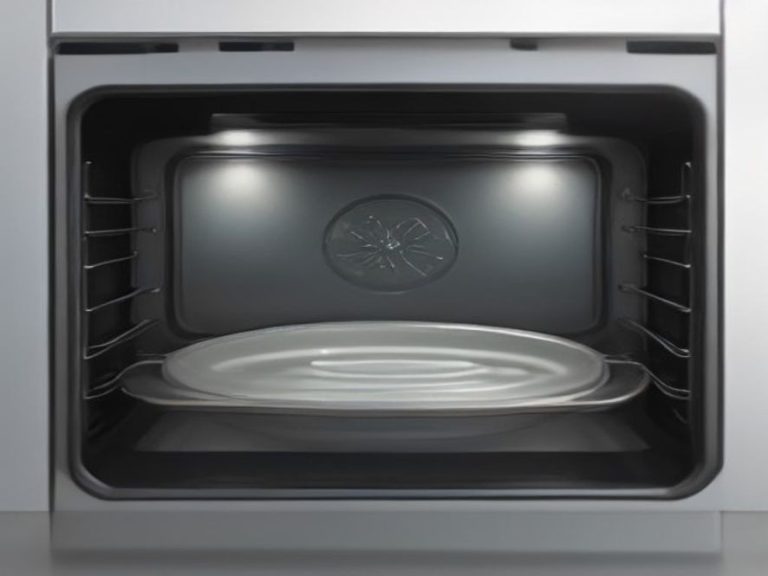
Place the bowl in the center of the microwave. Run it on high power for about three to five minutes, or until the water boils and the window fogs up with steam . Do not open the door immediately. Leave it closed for another five minutes. This allows the hot, acidic steam to penetrate the hardened grease and food residue .
3. Wipe It Down
Carefully remove the hot bowl (use oven mitts to avoid burning yourself) . Now, take a damp microfiber cloth and start wiping from the top down. If a splatter is extra stubborn, dip the cloth in a little grease-cutting dish soap and warm water .
4. Don’t Forget the Turntable and Roller Ring
Take the glass turntable and the plastic roller ring underneath out of the microwave. Wash them in the sink with warm, soapy water. Most glass turntables are dishwasher-safe, but check your manual to be sure .
5. Clean the Details
Wrap a damp cloth around the tip of a butter knife to get into the corners, and run it along the seams of the rubber seal where grime can hide .
6. Rinse and Dry
Wipe the interior again with a clean, damp cloth to remove any soap or vinegar residue. Finally, use a dry towel to buff the surfaces to prevent streaks and water spots .
Comparison Table: Microwave Grease Removal Methods
| Method | How It Works | Best For | Effectiveness | Difficulty | Cost |
|---|---|---|---|---|---|
| Vinegar Steam | Boiling water and vinegar produces acidic steam that loosens grease. | Everyday grease and baked-on food. | High | Easy | Very Low |
| Lemon Steam | Steam with citric acid cuts grease and leaves a fresh scent. | Freshening and light grease removal. | High | Easy | Low |
| Baking Soda Paste | A mild abrasive that scrubs away stubborn spots. | Tougher spots the steam didn’t remove. | Very High | Medium | Very Low |
| Commercial Degreaser | A spray-on, wipe-off formula designed to break down tough grease. | Heavy, stubborn grime on the exterior or interior. | Very High | Very Easy | Medium |
Expert Tips for a Grease-Free Microwave
- Use a Microwave Cover: The most effective strategy is prevention. Covering your food while cooking stops most splatters from happening in the first place .
- Wipe Spills Immediately: If you do have a spill, wipe it up as soon as it’s cool. It takes seconds and will save you much more time later .
- Deep Clean Monthly: Even with daily wipe-downs, aim to do a deep steam clean once a month to keep your appliance in top shape .
- Safety First: Never spray cleaner directly onto the electronic control panel. Always apply the cleaner to a cloth first, then wipe the controls to prevent liquid from seeping in and causing damage .
FAQ: Microwave Grease and Cleaning Questions
1. Why won’t the grease come off my microwave?
The grease is often baked-on and has hardened onto the surfaces. The vinegar steam method is specifically designed to soften this hardened residue, which makes it easy to wipe away .
2. Is it safe to use vinegar inside a microwave?
Yes, vinegar is a safe and effective natural cleaner. It is important to dilute the vinegar with water, as using a concentrated acid directly on surfaces could damage the finish .
3. Can I use a Mr. Clean Magic Eraser inside my microwave?
Yes, Good Housekeeping experts recommend using a Mr. Clean Magic Eraser for stubborn spots on the interior walls, as it provides a gentle abrasive action without scratching the surfaces .
4. Does a dirty microwave affect how it cooks?
Yes, a buildup of grease and food particles can absorb microwave energy, which can lead to uneven heating and affect the overall cooking performance .
5. How often should I clean my microwave?
You should do a light wipe-down on a weekly basis and a deeper clean, like the steam method, at least once a month to prevent heavy grease and grime from building up .
Which microwave cleaning method are you going to try first? Share your kitchen tips and struggles in the comments below!
References
Expert cleaning guides and appliance manufacturer recommendations for microwave maintenance: