15 Common Sources of Bad Kitchen Odors You May Overlook
You’ve scrubbed the counters, taken out the trash, and even lit a candle—but that stubborn smell just won’t leave your kitchen.
TL;DR
Bad kitchen odors often come from places you never think to clean, not from obvious messes. Hidden grease on top of cabinets, dirty dishwasher filters, moldy fridge seals, and even your spice jars can be the real culprits. This guide covers 15 overlooked odor sources and gives you practical ways to eliminate each one.
Key Takeaways
- The top of your kitchen cabinets collects grease and dust that turns into a smelly sludge over time
- Dishwasher filters trap food particles and grow bacteria if not cleaned regularly
- Spice jars can harbor bacteria and absorb moisture, creating stale smells
- Behind and under appliances often hides food debris, grease, and even pests
- Kitchen sponges and towels can become odor factories that spread bacteria around your kitchen
15 Hidden Odor Sources in Your Kitchen
1. The Top of Your Kitchen Cabinets
If your cabinets don’t reach the ceiling, the tops are probably collecting a sticky film of dust and grease. Every time you cook, airborne grease rises and settles up there. Dust sticks to it, and over time, it turns into a smelly sludge that spreads odors throughout your kitchen . Grab a step stool and wipe the tops with a degreasing cleaner—you’ll be shocked at what comes off.
2. Under and Behind Your Stove
The space behind and underneath your stovetop is one of the most overlooked zones in any kitchen. It’s out of view and inconvenient to access. People have reported finding years’ worth of hardened grease, food crumbs, and even mouse droppings back there . Pull out your stove and vacuum the area every few months.
3. Range Hood Filters
Range hoods are designed to pull grease and smoke out of the air—which means they trap a surprising amount of grime. If you’re not cleaning yours regularly, that buildup can become a fire hazard and a major source of unpleasant odors . The filter itself often smells like old, fishy grease when it’s overdue for cleaning .
4. The Dishwasher Filter
Many people assume dishwashers are self-cleaning. They’re not. The filter traps food particles to prevent clogs, but that food sits in warm water between cycles and decomposes . Check your dishwasher manual to find the filter and clean it monthly. The improvement in kitchen smell is often dramatic because most people have never cleaned this area.
5. Refrigerator Seals and Crisper Drawers
The rubber seal around your fridge door can develop mold, especially in the crevices where moisture collects. Food crumbs also fall into the bottom of crisper drawers and rot. Research has found that vegetable drawers can harbor salmonella, listeria, yeast, and mold . Clean fridge seals with a mild bleach solution and wash drawers monthly.
6. Your Spice Collection
Spice jars are touched with greasy hands, stored near heat and steam, and almost never cleaned. One study found that nearly 50% of spice jars tested positive for cross-contamination, making them one of the germiest surfaces in the kitchen . Moisture also dulls spice fragrances and creates stale smells . Wipe down spice jars with soapy water and store them away from the stove.
7. Cutlery Drawers and Trays
Open your cutlery drawer and lift the tray. You’ll probably find crumbs, dust, and maybe even rust or mold from wet utensils. These drawers attract insects and can spread bacteria to your clean forks and knives .
8. Kitchen Sponges and Dishcloths
Wet sponges are odor factories. Their porous structure retains moisture and food particles, creating ideal conditions for bacteria to multiply. Sponges can actually harbor more bacteria than toilet seats . The sour smell that develops after a few days comes from bacterial waste products. Replace sponges weekly and wash dishcloths in hot water.
9. Your Garbage Disposal
Garbage disposals seem self-cleaning since water runs through them constantly. But food particles stick to the underside of the rubber splash guard and in crevices around the grinding chamber. These particles decompose in the warm, moist environment, creating persistent odors . Remove and clean the splash guard, then grind ice cubes and citrus peels to freshen it up.
10. The P-Trap Under Your Sink
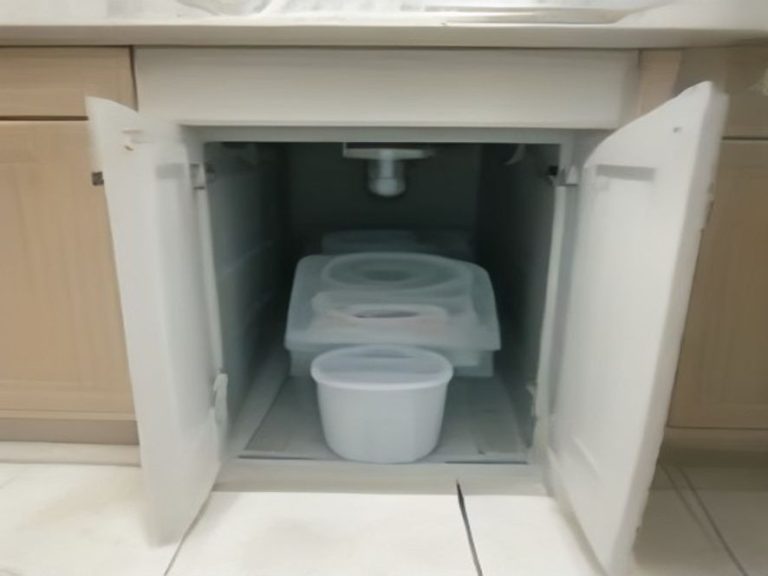
The U-shaped pipe under your sink holds water to block sewer gases. If the water evaporates (like when you go on vacation), those gases can travel up the drain and into your kitchen . This problem gets worse in summer heat, which can also cause pipes to shift and crack. Running water for a minute usually fixes it.
11. Behind and Under Your Refrigerator
The space behind and beneath your fridge is a dust magnet. It also hides food bits, spills, and even pests. People with pets get especially heavy dust buildup back there . Pull out your fridge every three months and vacuum the coils and floor.
12. Garbage and Recycling Bins
Even with liners, your garbage can isn’t as clean as you think. Leaks get through, crumbs settle at the bottom, and odors get trapped in the lid rim . Wash bins with soap and vinegar twice a week, and sprinkle baking soda at the bottom before adding a new liner .
13. Your Air Fryer
Air fryers get surprisingly greasy. Professional cleaners recommend cleaning them after every use because they can develop a strong, fishy smell if neglected . Wipe down all removable parts after each use, not just when they look dirty.
14. Grease on Walls and Splashbacks
Cooking oil doesn’t just stay in the pan. It floats through the air and sticks to cabinets, splashbacks, and even walls. This hidden grease traps food smells and turns them stale over time . Wipe down surfaces near the stove weekly with a degreaser.
15. Your Oven
The oven accumulates grime and spillages that aren’t immediately apparent but eventually permeate your kitchen with a stale, burnt smell . Self-cleaning cycles work for some ovens, but others need regular manual cleaning with oven-safe cleaners.
Comparison Table: Odor Sources and Solutions
| Hidden Odor Source | Why It Smells | Easiest Fix |
|---|---|---|
| Top of cabinets | Grease + dust sludge | Wipe with degreaser every 3-6 months |
| Behind stove | Food debris, grease, pests | Pull out and vacuum quarterly |
| Range hood filter | Trapped grease and smoke | Soak in soapy water or run through dishwasher |
| Dishwasher filter | Decomposing food particles | Clean monthly with vinegar |
| Fridge seals | Mold in moisture crevices | Wipe with bleach solution |
| Spice jars | Cross-contamination, moisture | Wipe down with soap and water |
| Kitchen sponges | Bacterial growth in pores | Replace weekly, microwave damp to sanitize |
| Garbage disposal | Food stuck under splash guard | Clean guard, grind ice + citrus |
| P-trap | Evaporated water seal | Run water for 1-2 minutes |
| Under fridge | Dust, food bits, pests | Vacuum coils and floor quarterly |
| Garbage bin | Leaks and odor in lid rim | Wash with soap + vinegar weekly |
How to Keep Your Kitchen Smelling Fresh
Build these habits into your routine:
- Open windows while cooking to let steam and strong smells escape
- Boil lemon slices or vinegar on the hob to neutralize lingering odors
- Wash tea towels and sponges regularly—they trap smells surprisingly quickly
- Check the P-trap when smells appear—running water for a minute often fixes it
- Store spices away from the stove and dry the container monthly
“Most kitchen problems come from small maintenance habits that are often ignored.”
FAQ
Why does my kitchen smell bad even after cleaning?
You’re probably missing hidden sources like the top of cabinets, range hood filters, or behind appliances .
How do I find the source of a kitchen odor?
Start by checking the P-trap (run water), then inspect the dishwasher filter, garbage disposal splash guard, and fridge seals .
What makes kitchen towels smell so bad?
Damp towels trap bacteria that multiply quickly. The sour smell comes from bacterial waste products .
How often should I clean my dishwasher filter?
At least once a month. Most people never clean theirs, which causes persistent odors .
Why does my kitchen smell like sewer sometimes?
The P-trap under your sink is probably dry or cracked, letting sewer gases come back up through the drain .
Do spice jars really cause kitchen odors?
Yes—they absorb moisture and grease, attract pantry bugs, and can harbor bacteria that create stale smells .
References
Trusted sources for kitchen cleaning and odor prevention:
- Tasting Table – Unexpected Places to Clean in Your Kitchen
- Nine.com.au – Hidden Nasties in Your Kitchen
- Check Appliance – The Hidden Spot Everyone Forgets to Clean
- EatingWell – 7 Places You’re Forgetting to Clean
Which kitchen problem do you want solved next? Share your thoughts in the comments.