Why Does My Kitchen Smell Bad Even When Everything Is Clean?
You’ve wiped down the counters, taken out the trash, and scrubbed the sink, but that unpleasant smell just won’t leave. It’s a frustrating problem, but it usually means there are hidden spots where bacteria, mold, and rancid grease build up over time . These overlooked areas can create persistent odors even in a kitchen that looks spotless.
The Usual Suspects: Where the Smell is Hiding
If your kitchen looks clean but smells bad, the odor is likely coming from one of these common, often-neglected sources.
🧽 The Dishwasher, Sink, and Sponges
These hard-working areas are prime spots for bacterial growth.
- The Dishwasher Filter: This trap catches food particles from every wash cycle. If you don’t clean it regularly, it becomes a breeding ground for bacteria and mold, causing a smell of old food and standing water that spreads when you open the door .
- The Garbage Disposal & Rubber Splash Guard: The underside of the splash guard and the grinding chamber trap decomposing food particles, grease, and slime. This creates a bacterial garden that produces odors even when the visible part of the sink looks clean .
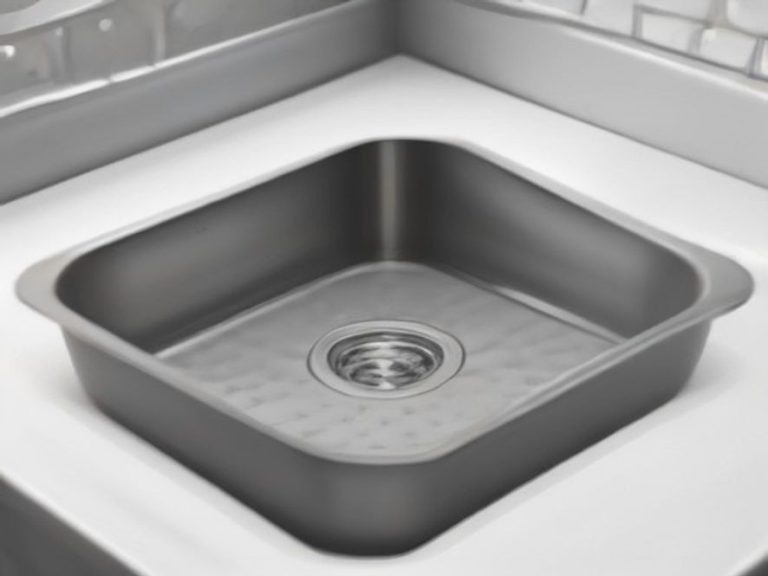
- Sink Drains: Even without a disposal, drains collect grease and food residue, becoming a hotspot for bacteria and bad smells over time .
- Old Sponges and Dishcloths: These are porous and retain moisture and food particles, making them ideal for bacteria to grow. A sour or musty smell from your sponge is a clear sign it needs to be replaced or sanitized .
🍳 Appliances and Airflow
- Range Hood Filters: The grease filters in your range hood trap oily, smelly particles from cooking. If not cleaned, this grease goes rancid and creates a persistent, unpleasant odor .
- The Fridge: A fridge can be a source of smells from forgotten leftovers, spills, or mold growing in the door seal’s crevices .
- The Oven and Air Fryer: Food splatters and grease can build up and burn, creating a lasting smell if not cleaned regularly .
- Poor Ventilation: Without proper airflow, cooking odors, smoke, and grease particles linger in the air and settle on surfaces .
🗑️ Other Hidden Places
- The Trash Can: Even with a fresh bag, the bin itself can absorb odors from spills and leaks .
- Old Sponges and Dishcloths: These are porous and retain moisture and food particles, making them ideal for bacteria to grow. A sour or musty smell from your sponge is a clear sign it needs to be replaced or sanitized .
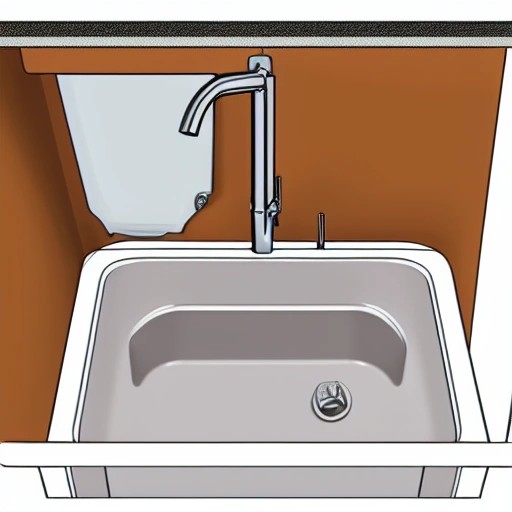
- The Dry P-Trap: The P-trap is the U-shaped pipe under your sink that holds water to block sewer gases. If a sink isn’t used for a while, this water can evaporate, breaking the seal and allowing odors into your kitchen. Simply running the water for a minute or two can fix this .
Step-by-Step Fix Guide
- Identify the Source: Start by checking the most likely culprits. The smell can often be traced back to the drain, garbage disposal, or dishwasher .
- Deep Clean the Garbage Disposal:
- Clean the Splash Guard: Unplug the unit and scrub the underside of the rubber guard with hot, soapy water .
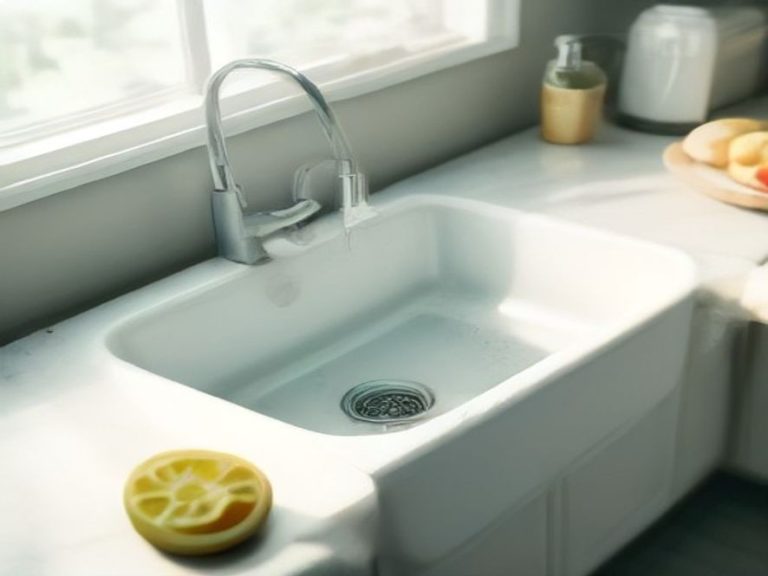
- Grind Ice Cubes: To knock off stuck-on food, grind a tray of ice cubes with cold water. Follow with citrus peels for a fresh scent .
- Use Baking Soda and Vinegar: Pour half a cup of baking soda down the drain, followed by a cup of white vinegar. Let it fizz for 15-20 minutes, then flush with hot water .
- Clean the Dishwasher Filter: Locate the filter (usually at the bottom of the dishwasher), remove it, and rinse it thoroughly. Scrub it with a soft brush if needed .
- Sanitize Sponges and Dishcloths: Replace sponges frequently. Wash dishcloths in hot water or run wet sponges through the dishwasher or microwave them for one to two minutes .
- Clean the Range Hood Filter: Remove the metal mesh filters and soak them in hot, soapy water or a degreasing solution .
- Check the Fridge: Toss old leftovers and wipe down all shelves and drawers. Don’t forget to clean the door seal .
- Freshen Up the Sink: Pour boiling water down the sink drain weekly to help flush out residue .
Prevention Tips
“Most kitchen problems come from small maintenance habits that are often ignored.”
- Clean the dishwasher filter monthly to prevent bacterial growth .
- Wipe down the range hood and clean the filters every 2-3 months .
- Use your exhaust fan every time you cook to prevent grease particles from settling .
- Leave a bowl of baking soda on the counter overnight to absorb lingering odors .
- Run water in infrequently used sinks weekly to keep the P-trap full .
Which kitchen problem do you want solved next? Share your thoughts in the comments.
Practical Kitchen Odor Troubleshooting Guide – Trusted Sources: