Why Does My Pantry Smell Musty? Causes and Easy Fixes for a Fresher Food Storage Space
That damp, earthy smell when you open your pantry can make you second-guess every ingredient you reach for and ruin your cooking inspiration.
TL;DR
A musty pantry smell is almost always caused by excess moisture, poor air circulation, or forgotten food items that have started to decay . The fix involves emptying the space, identifying the moisture source, deep cleaning with natural solutions like vinegar and baking soda, and improving ventilation to prevent future problems . Regular inspection and proper food storage are your best defenses against this common kitchen issue .
Key Takeaways
- Moisture is the enemy: Leaks, humidity, and even damp food packaging can create the perfect environment for mold and mildew .
- Hidden culprits exist: A forgotten potato, spilled flour, or unsealed container can be the source of the smell .
- Cleaning requires strategy: Vinegar kills mold, while baking soda absorbs lingering odors .
- Prevention beats cure: Regular pantry organization and using airtight containers stop smells before they start .
The Real Causes Behind a Musty Pantry and How to Fix Them
Before you can banish that musty smell, you need to understand what’s causing it. Let’s investigate the most common offenders.
Why Moisture Creates That Earthy Smell
The musty smell in your pantry comes down to one thing: moisture . When humidity levels rise or water finds its way inside, it creates the ideal conditions for mold, mildew, and bacteria to grow. These microorganisms release compounds that produce that distinctive, unpleasant odor .
Here are the most common ways moisture invades your pantry:
- Hidden leaks: A slow drip from a nearby pipe or a roof leak can seep into walls or floors .
- High kitchen humidity: Steam from cooking, boiling water, or running the dishwasher can make your entire kitchen more humid, especially if ventilation is poor .
- Damp food items: Storing slightly wet produce or foods that release moisture can raise the humidity inside the pantry .
- Poor air circulation: Closed doors and crowded shelves trap moisture inside, preventing it from evaporating .
Other Common Culprits Beyond Moisture
Sometimes the smell isn’t from mold at all. Here are other things to check:
- Forgotten food: A potato, onion, or bag of flour hiding in the back can rot and produce a musty or sour smell .
- Stale food: Dry goods that have passed their prime can develop unpleasant odors .
- Pests: Insects or rodents can leave behind droppings and odors .
- Cardboard boxes: Cardboard absorbs moisture and odors, which can then transfer to your food .
Is a Musty Pantry Smell Dangerous?
A mild musty smell from old food is mostly unpleasant. However, if the smell comes from mold, it can be a health concern . Mold spores can trigger allergies, asthma attacks, and respiratory issues, especially for sensitive individuals . Addressing the problem promptly protects both your food and your health.
A Step-by-Step Guide to Eliminating the Musty Smell
Follow these proven steps to banish that musty smell for good.
Step 1: Empty Everything and Inspect
Take everything out of your pantry. This is the most important step because you can’t clean what you can’t see .
- Create a staging area: Spread a clean tablecloth or towels on your kitchen counter .
- Check every item: Look at expiration dates and inspect packaging for tears, bulges, or discoloration .
- Discard anything suspect: Throw away expired food, open packages that seem stale, and anything with visible mold .
- Look for pests: Check for droppings, webbing, or damaged packaging .
- Inspect the structure: Look for water stains, peeling paint, or signs of leaks on walls and floors .
Step 2: Identify and Fix the Moisture Source
You must stop the moisture before you can successfully eliminate the smell:
- Check for leaks: Inspect pipes near the pantry and look for water stains on the ceiling or walls .
- Test the humidity: If your kitchen feels damp, consider using a dehumidifier or hygrometer to monitor levels .
- Seal gaps: Caulk any cracks or gaps in walls, floors, or around pipes that could allow moisture in .
- Improve ventilation: Consider installing a small vent or keeping the pantry door slightly open .
Step 3: Deep Clean Every Surface
Now that everything is out and you’ve addressed the moisture source, it’s time to clean:
- Make a vinegar solution: Mix equal parts white vinegar and water in a spray bottle. Vinegar is excellent for killing mold and neutralizing odors .
- Spray and let sit: Spray all interior surfaces—shelves, walls, ceiling, and corners—and let it sit for 10-15 minutes .
- Scrub thoroughly: Use a sponge or cloth to scrub away any grime or visible mold .
- Rinse with clean water: Wipe everything down with a damp cloth to remove the vinegar residue .
- Dry completely: Use a dry towel and leave the door open for several hours to ensure everything is bone dry .
Step 4: Absorb Lingering Odors
Even after deep cleaning, a faint smell might remain. Here are the most effective solutions:
| Item/Method | Purpose | Effectiveness | Ease of Use | Cost |
|---|---|---|---|---|
| Baking Soda | Absorbs and neutralizes odors | High | Very Easy | Low |
| Activated Charcoal | Traps odor molecules physically | Very High | Easy | Low |
| White Vinegar (bowl) | Neutralizes airborne odors | High | Very Easy | Low |
| Coffee Grounds | Absorbs and replaces with fresh scent | Medium | Easy | Low |
| Air Purifier | Filters particles and odors | High | Easy | Medium-High |
Place an open box of baking soda on a shelf to absorb odors . For stubborn smells, activated charcoal or a bowl of fresh coffee grounds works even faster.
Step 5: Organize and Repackage Food Properly
Now comes the most important prevention step—storing food correctly:
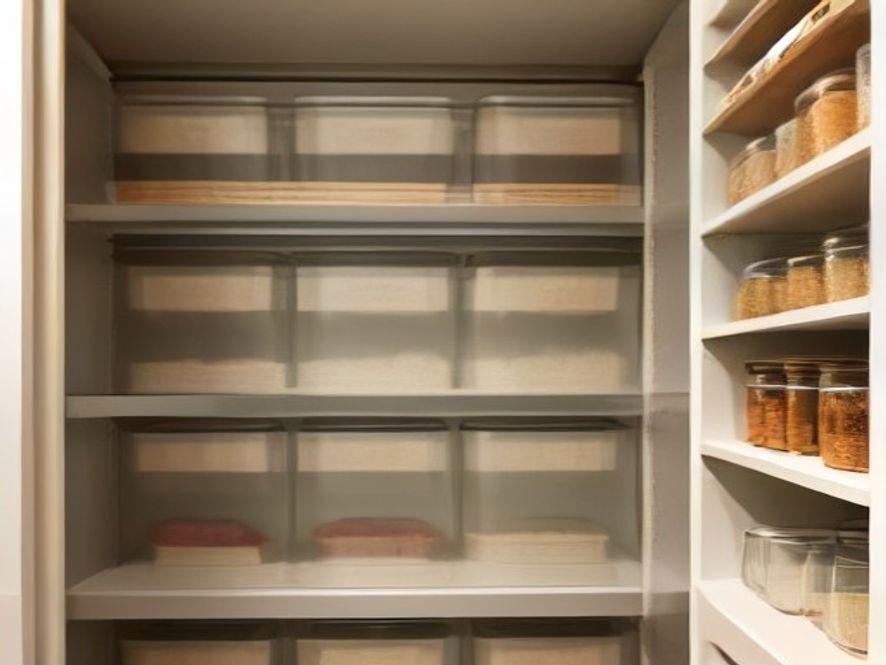
- Use airtight containers: Transfer dry goods like flour, sugar, rice, and cereal into glass jars or plastic containers with tight-fitting lids .
- Don’t over-crowd: Leave space between items so air can circulate .
- Label everything: Write purchase dates on containers so you know what’s oldest .
- Store produce separately: Keep potatoes, onions, and garlic in a cool, dark, well-ventilated area, ideally not in the same space as dry goods .
Step 6: Keep the Space Smelling Fresh Long-Term
Now that your pantry is clean and reorganized, follow these tips to keep it that way:
- Wipe down shelves regularly: Do a quick wipe every few weeks .
- Check for spills immediately: Clean up any spills as soon as they happen .
- Rotate stock: Use the “first in, first out” method—use older items before newer ones .
- Regular cleaning prevents grease buildup and bad odors.
- Use a moisture absorber: Place a silica gel packet or DampRid container in a corner .
“Most kitchen problems come from small maintenance habits that are often ignored.” A musty pantry is usually a sign that a little prevention could have gone a long way.
Comparison of Common Odor-Fighting Methods
| Method | Best For | How It Works | Duration |
|---|---|---|---|
| Baking Soda | Everyday maintenance | Absorbs odors chemically | 1-3 months |
| Activated Charcoal | Stubborn, persistent smells | Traps particles physically | 1-2 months |
| White Vinegar | Active mold and mildew | Kills and neutralizes | Immediate |
| Coffee Grounds | Temporary freshening | Replaces odor with scent | 1-2 weeks |
| Silica Gel | Humidity control | Removes moisture from air | 1-6 months |
How to Prevent Musty Smells in the Future
Prevention is always easier than deep cleaning. Here’s how to avoid this problem entirely.
Control Moisture Levels
- Maintain low humidity: Keep kitchen humidity below 50% .
- Use exhaust fans: Always run your range hood when cooking .
- Check for leaks regularly: Inspect pipes and walls monthly .
- Store food dry: Make sure food is completely dry before storing .
Practice Smart Pantry Organization
- Adopt the FIFO rule: First In, First Out. Use older items before newer ones .
- Do a monthly “pantry audit”: Check for expiration dates and signs of spoilage .
- Clean shelving covers: Use shelf liners that you can easily wipe or replace .
- Keep it cool: Pantries should be in a cooler part of your kitchen, away from the stove or dishwasher .
Choose the Right Food Storage
- Say no to cardboard: Cardboard boxes can harbor moisture and pests .
- Invest in quality containers: Glass or BPA-free plastic with airtight seals .
- Label everything: Include the date you opened or stored the item .
Frequently Asked Questions
Why does my pantry smell musty even though it looks clean?
The smell may come from moisture trapped in the walls, a hidden spill, or odors absorbed by cardboard boxes and wooden shelves over time .
What’s the fastest way to get rid of a musty pantry smell?
Empty the pantry, clean with a white vinegar and water solution, dry thoroughly, and place an open box of baking soda inside .
Can I use bleach to clean a musty pantry?
Bleach isn’t recommended on food storage surfaces because of the strong fumes and residue. White vinegar is a safer, more effective option for food areas .
How can I tell if the smell is from mold or just old food?
Mold usually appears as black, green, or white fuzzy patches. If you don’t see visible mold, the smell is likely from rotting food or high humidity .
Will a dehumidifier help my musty pantry?
Yes, if high kitchen humidity is the cause . A small dehumidifier or moisture absorber can keep the space dry.
How often should I clean my pantry?
A quick wipe-down and organization check should happen monthly. A deep clean (emptying everything and washing shelves) is recommended every 3-6 months .
Sources and references for pantry maintenance and odor control:
- EPA – Mold and Health
- Mayo Clinic – Mold Allergy Information
- The Kitchn – How to Clean a Pantry
- FDA – Food Storage Guidelines
Which kitchen problem do you want solved next? Share your thoughts in the comments.