The Best Way to Build Your From-Scratch Kitchen: A Practical Guide to Homemade Meals
That feeling of opening your fridge and not knowing what to cook can quickly turn a relaxing evening into a stressful scramble for takeout. But a kitchen set up for cooking from scratch changes everything.
TL;DR
This guide shows you exactly what you need to cook homemade meals from scratch—without the overwhelm. We cover the five essential pots and pans that do all the work, the pantry staples that make last-minute meals possible, and the daily rhythms that keep a from-scratch kitchen running smoothly. Start with the basics, build your confidence, and watch homemade cooking become your new normal.
Key Takeaways
- You only need five pans: A large skillet, sauté pan, Dutch oven, stockpot, and saucepan cover 95% of your cooking needs.
- Stock your pantry with the basics: Flour, rice, beans, onions, garlic, and canned tomatoes make endless meals possible.
- A from-scratch kitchen runs on rhythm: Keep something thawing, something rising, and something simmering to make cooking feel natural instead of stressful.
- Master the foundations: Homemade stocks, sauces, and dressings transform simple ingredients into memorable meals.
The Real Causes Behind Kitchen Overwhelm and How to Fix Them
Many people want to cook from scratch but feel paralyzed by the thought of it. The problem isn’t lack of skill—it’s usually a kitchen that isn’t set up for success. A cabinet overflowing with random pans, a pantry with no clear staples, and no daily rhythm make everything feel harder than it needs to be.
Start With the Five Pans That Actually Matter
When you look in your cabinets, you might see a jumble of pots and pans that rarely get used. Professional chefs say you can run a great home kitchen with just five pieces. Carlos Brown, a chef and restaurateur, puts it bluntly: “You don’t need a cabinet packed with 15 different pans”.
Here are the five essentials that will cover almost everything you’ll ever cook:
1. 12-inch Carbon Steel or Cast Iron Skillet
This is your workhorse for searing meat, making one-pan meals, and cooking for company. Cast iron holds heat beautifully and gets better with age. “Bonus points for a real cast iron pan,” says chef Galen Zamarra.
2. 10-inch Stainless Steel Sauté Pan
This is your go-to for sautéing vegetables, making stir-fry, and simmering sauces. Unlike cast iron, stainless steel won’t soak in liquid, making it ideal for dishes with broth or tomatoes.
3. Dutch Oven
Every from-scratch kitchen needs a Dutch oven. It’s perfect for stews, braises, soups, and even baking sourdough bread. It can withstand high heat and holds steady temperature for hours.
4. Large Stockpot
If you make soup, stock, or pasta regularly, you’ll need a big pot. A stainless steel stockpot is also great for canning and boiling large batches of food.
5. Medium Saucepan
A simple 3-quart saucepan handles everything from simmering sauces and melting butter to making mac and cheese or heating up soup. “That’s it,” says chef Stephen Ingber. “Everything else in most people’s cabinets is dead weight”.
The Prep Tools That Make Cooking Easier
Beyond your pots and pans, you need tools for chopping, measuring, and mixing. Quality prep tools make the entire cooking process smoother.
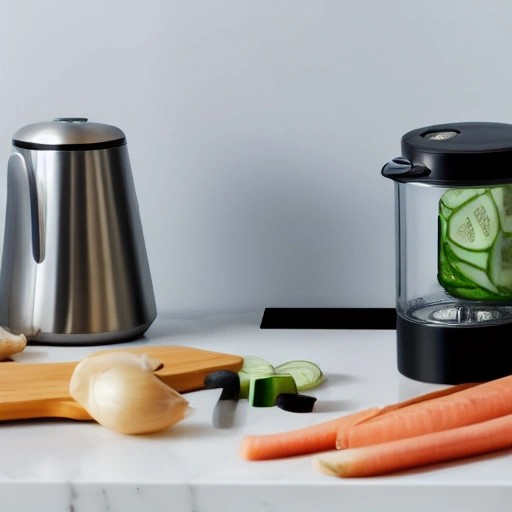
- Chef’s Knife: This is your most important tool. A quality chef’s knife makes chopping, dicing, and slicing feel effortless. A sharp, well-balanced knife turns cooking from a chore into a craft.
- Paring Knife: Perfect for peeling, mincing, and smaller precision work.
- Cutting Board: Get a large, sturdy board. Bamboo or wood is gentle on your knife’s edge.
- Mixing Bowls: A nesting set of glass or stainless steel bowls keeps your ingredients organized and ready to go.
- Measuring Cups and Spoons: Essential for baking and following precise recipes. A kitchen scale is a great bonus for accuracy.
- Basic Utensils: Wooden spoons, spatulas, a whisk, and a fine-mesh strainer will cover most of your cooking needs.
Building a Pantry That Works for You
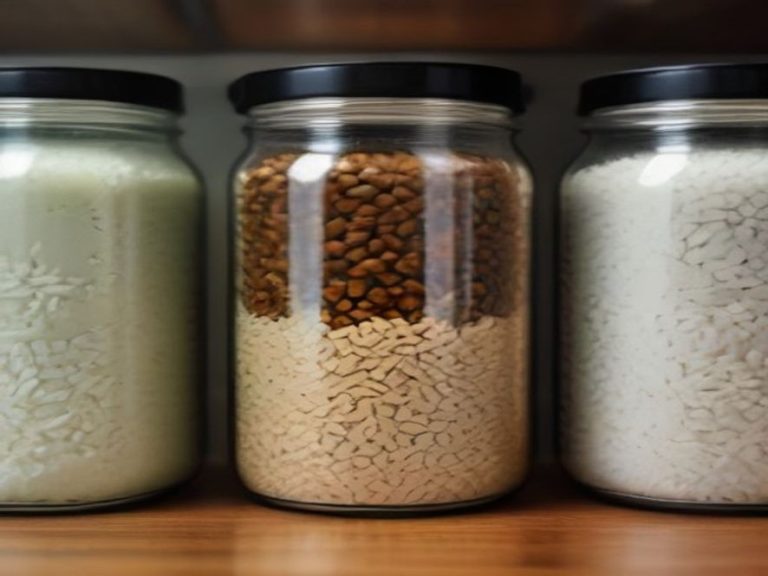
A well-stocked pantry is the backbone of from-scratch cooking. Food Network star Kardea Brown keeps her pantry simple: rice, grits, beans, brown sugar, granulated sugar, cornstarch, flour, and cornmeal. With these basics, she can make a meal from almost anything.
Here’s what you should always have on hand:
Dry Goods
- Flour (all-purpose and bread flour)
- Rice and pasta
- Dried beans and lentils
- Sugar (granulated and brown)
- Baking powder, baking soda, and yeast
Fresh Produce
- Onions, garlic, and potatoes
- Carrots and celery
Canned Goods
- Canned tomatoes (crushed, diced, and paste)
- Canned beans for quick meals
Fridge Staples
- Butter, milk, and eggs
- Cheese and yogurt
“Keeping it simple is key here. Many cooks make the mistake of running to the store repeatedly for lack of planning or simply not making a shopping list.”
The Daily Rhythm of a From-Scratch Kitchen
Cooking from scratch doesn’t have to feel like a big project. The key is developing a steady rhythm that makes homemade cooking feel natural. As one home cook explains, “A from scratch kitchen doesn’t work well when everything is done at the last minute. It works best when there is a simple rhythm to the day”.
Keep Something Thawing
Before you go to bed, take something out of the freezer for the next day. It might be meat for dinner, broth for soup, or leftovers to reheat. When you forget this step, the whole day feels harder.
Keep Something Rising
Bread, pizza dough, pancakes, or sourdough all take time. Let dough rise during the day instead of rushing it. “The more often I bake, the easier it feels,” one home cook shares.
Keep Something Simmering
Beans, soup, broth, sauce, or oatmeal can cook slowly with minimal attention. Simple, filling foods keep the kitchen calm instead of stressful.
Keep Meals Simple
One mistake many people make is thinking every meal has to be special. It doesn’t. Soup and bread, eggs and toast, beans and rice, roasted meat and vegetables—these simple meals are what make homemade cooking sustainable.
The Foundations of Flavor: Stocks and Sauces
Mastering a few basic recipes transforms your cooking. Homemade stocks, sauces, and dressings are fresher, healthier, and more flavorful than store-bought versions.
Making Stock
Stock is the heart of many dishes. Simmer bones, meat, vegetables, and herbs for several hours (4–6 hours for meat stocks, 30–60 minutes for vegetable stock). Roast bones first for deeper flavor, and avoid boiling vigorously to keep the stock clear.
Classic Sauces
- Béchamel (White Sauce): Butter, flour, and milk. Perfect for lasagna and mac and cheese.
- Tomato Sauce: Onions, garlic, tomatoes, and herbs. Simmer until thick and flavorful.
- Pan Sauce: Deglaze the pan after cooking meat with wine or broth, add aromatics, and finish with butter.
Basic Vinaigrette
Three parts olive oil, one part vinegar or lemon juice, salt, pepper, and optional mustard or honey. Whisk until emulsified.
What You Can Skip
Not every kitchen gadget is worth your money. Single-use tools like apple slicers, specialized avocado tools, and garlic presses often end up gathering dust. Your chef’s knife can handle most of those tasks faster and with less cleanup.
Also check your nonstick pans. If they’re scratched or damaged, they may release particles into your food. Professional chefs recommend replacing damaged nonstick cookware.
Maintaining Your Kitchen Investment
Simple maintenance habits keep your tools performing well for years.
Sharpen Your Knife: A dull knife is more dangerous than a sharp one. Have your knives sharpened professionally once or twice a year.
Clean as You Go: Wipe counters, load the dishwasher, and wash utensils while cooking. It prevents a mountain of dishes after the meal.
Store Pantry Mixes Properly: Dry mixes last 6–12 months in airtight jars stored in a cool, dry place. Always label jars with the name and date.
FAQ: Common Kitchen Questions
- What’s the first thing I should buy for a from-scratch kitchen?
A quality chef’s knife. It’s the most-used tool and essential for almost all cooking. - How many pans do I really need?
Five: a large skillet, sauté pan, Dutch oven, stockpot, and saucepan. - How do I start cooking from scratch without feeling overwhelmed?
Start with one habit. Take something out to thaw each night, bake bread once a week, or cook one meal from scratch each day. - What pantry staples should I always keep?
Flour, rice, beans, onions, garlic, canned tomatoes, sugar, and cooking oil. - Is making stock from scratch worth the effort?
Yes. It’s cheaper, healthier, and more flavorful than store-bought broth.
Which kitchen problem do you want solved next? Share your thoughts in the comments.
Practical Guide to From-Scratch Kitchen Essentials & Pantry Staples