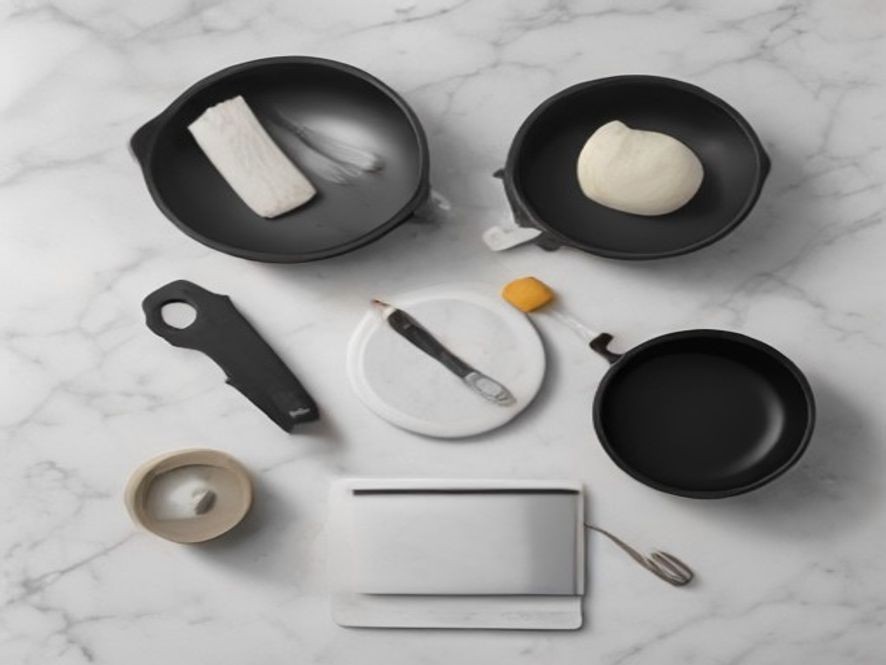
The Best Way to Build Your Kitchen Essentials List: A Practical Guide for Everyday Cooking
That unpleasant smell coming from your kitchen sink or the frustration of a cluttered counter can quickly turn a fun cooking session into a stressful chore. But having the right tools makes all the difference.
TL;DR
This guide cuts through the clutter to help you build a functional kitchen with tools you’ll actually use. We cover the essential cookware, utensils, and small appliances needed for everyday cooking, along with practical tips for organization and maintenance. By focusing on quality basics over gimmicky gadgets, you can save money, reduce stress, and make home cooking more enjoyable.
Key Takeaways
- Start with the core five: A chef’s knife, large skillet, sturdy pot, baking sheet, and cutting board are the true workhorses.
- Quality over quantity: A few high-quality, durable tools are more valuable than a drawer full of cheap or single-use gadgets.
- Organization matters: A kitchen where tools are easy to find reduces friction and makes cooking more inviting.
- Maintenance is key: Simple habits like keeping your knives sharp and cleaning as you go prevent bigger problems later.
The Real Causes Behind Common Kitchen Problems and How to Fix Them
Many people feel overwhelmed by their cooking space. A messy counter can make even simple cooking feel stressful, and a cluttered drawer makes it hard to find the right tool. But the core issue often isn’t a lack of tools—it’s having too many of the wrong ones. The good news is that building a functional kitchen is a simple, step-by-step process.
The Essential Kitchen Tools You Actually Need
When you’re starting out, the number of kitchen items available can be paralyzing. However, professional chefs and home cooking experts agree that you can cook a wide variety of meals with just a few core tools .
Your Starter Kitchen Essentials List
A great way to think about your first kitchen is to focus on the basics that do most of the work . Here is a checklist of the items that will get you through 90% of your cooking tasks:
Cookware and Bakeware
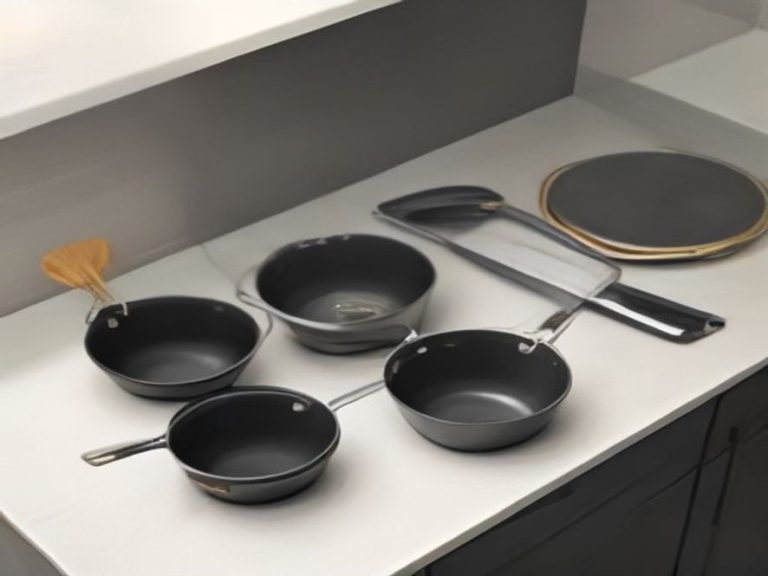
- Large Skillet (10-12 inches): A non-stick skillet is perfect for eggs, fish, and pancakes. A cast-iron or stainless-steel skillet is ideal for searing meat and achieving a good crust .
- Large Pot (6-8 Quart): Essential for making pasta, soups, stews, and boiling vegetables .
- Baking Sheet (Half-Sheet Size): This is one of the most versatile tools in your kitchen, perfect for roasting vegetables, baking cookies, and even draining fried foods .
- Saucepan (Small-Medium): Great for heating up sauces, cooking rice, or making oatmeal .
- Cutting Board (Large): Get a large, sturdy board. A small one makes chopping messy and inefficient. Pro tip: Glass cutting boards are hygienic, but wood or plastic is gentler on your knife’s edge .
Knives and Utensils
- Chef’s Knife (8-inch): A quality chef’s knife is your most important tool. It doesn’t have to be expensive, but it should feel comfortable in your hand. A sharp, well-balanced knife makes cooking feel less like a chore and more like a craft .
- Paring Knife: Useful for smaller, more detailed work like peeling fruits and vegetables .
- Spatula: A silicone spatula is perfect for scraping bowls and flipping food without scratching your non-stick pans .
- Tongs: These are incredibly useful for flipping meat, tossing salads, and serving food.
- Wooden Spoon: A classic tool for stirring, and it won’t scratch your cookware .
- Colander: A necessity for draining pasta and rinsing beans or vegetables .
- Box Grater: Great for grating cheese, zesting citrus, and shredding vegetables .
- Instant-Read Thermometer: An affordable tool that eliminates the guesswork from cooking proteins like chicken and steak, ensuring they are safely cooked without being overdone .
Small Appliances
- Coffee Maker: For many, this is a non-negotiable daily essential.
- Immersion Blender: This is a space-saving alternative to a full-sized blender. You can blend soups directly in the pot or make smoothies and sauces with less cleanup .
- Air Fryer: A popular multi-use appliance that can roast, reheat, and even bake food with less oil, often earning its place on the countertop .
“Most kitchen problems come from small maintenance habits that are often ignored.” Regular cleaning and care prevent grease buildup and keep tools performing their best.
Setting Up Your Kitchen for Success
Having the right tools is only half the battle. How you organize them is equally important.
A kitchen with too many items on the counter can make cooking feel like a chore. The goal is to reduce friction. Keep your most-used items, like your coffee station, knife, and cutting board, within easy reach . Store special occasion items on high shelves.
What You Can Skip
A common mistake for beginners is buying a full “set” of cookware or a block of knives. You don’t need 12 different pans or 8 knives. You need two or three that work well . Gimmicky single-use gadgets like apple slicers, specialized avocado tools, and garlic presses often end up in a drawer, never to be used. Your chef’s knife can do all those tasks faster and with less cleanup .
Maintaining Your Kitchen Investment
Building a great kitchen isn’t just about buying things; it’s about taking care of them. This saves you money on replacement costs and ensures your tools are always ready to use.
- Sharpen Your Knife: A dull knife is more dangerous than a sharp one because it requires more force to cut, making it more likely to slip. Have your knives sharpened professionally once or twice a year .
- Clean as You Go: This is a simple but powerful habit. Wipe down counters, load the dishwasher, and wash utensils while you are cooking. It prevents a mountain of dishes after the meal .
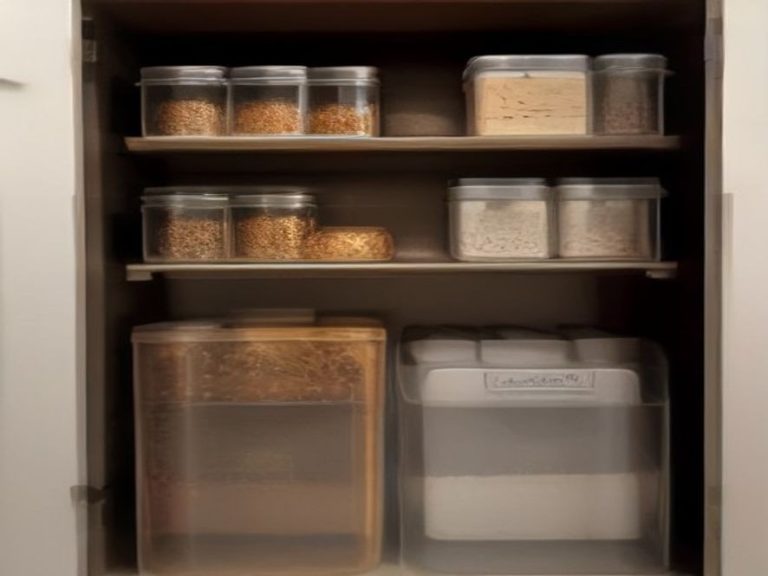
- Mind Your Pantry: A well-stocked pantry makes it easy to throw together a meal. Keep staples like olive oil, salt, pasta, rice, canned tomatoes, and onions on hand . Regularly purge expired items to keep it organized and functional .
FAQ: Common Kitchen Questions
- What is the first thing I should buy for a new kitchen?
A good-quality chef’s knife. It’s the most-used tool and is essential for almost all cooking. - Is a cast-iron skillet better than non-stick?
They serve different purposes. Non-stick is great for eggs and delicate foods, while cast iron is best for high-heat searing . - How do I make my small kitchen feel bigger?
Clear your counters of anything you don’t use daily and store items vertically when possible . - How can I avoid buying unnecessary kitchen gadgets?
Before buying, ask yourself if you already own a tool that can do the same job . - What’s the best way to clean my kitchen sink?
A simple baking soda and vinegar mixture can help freshen it up, but regular cleaning with a gentle cleanser is key to prevent clogs and smells.
Which kitchen problem do you want solved next? Share your thoughts in the comments.
Practical Guide to Kitchen Essentials & Maintenance