How to Build a Minimalist Kitchen Without Giving Up Useful Tools: A Practical Guide for Smart Cooking Spaces
Standing in your kitchen surrounded by clutter, you dream of a clean, minimalist space—but you don’t want to sacrifice the tools that actually make cooking enjoyable and efficient.
TL;DR
This guide shows you how to achieve a minimalist kitchen while keeping every tool you genuinely need. It covers smart storage solutions, multi-purpose essentials, organization strategies, and the art of intentional buying. By focusing on function over frills, you can have a beautiful, uncluttered kitchen that still supports your cooking lifestyle.
Key Takeaways
- Keep What You Use: A minimalist kitchen isn’t about having nothing—it’s about having only what you need.
- Choose Multi-Function Tools: One tool that does five jobs replaces five tools that do one.
- Store Smartly: Use vertical space, drawer organizers, and hidden storage to keep counters clear.
- Be Intentional: Every item in your kitchen should earn its place through regular use.
- Quality Over Quantity: A few excellent tools are better than many mediocre ones.
The Real Problems Behind Kitchen Clutter and How to Fix Them
Many people think minimalism means getting rid of everything and living with bare counters. But true kitchen minimalism is about intentionality—keeping tools that serve you and removing those that don’t. The goal isn’t emptiness; it’s efficiency.
Why Kitchens Become Cluttered and Overwhelming
Kitchen clutter usually builds up slowly. You buy a gadget for one recipe, receive gifts you never use, or hold onto items “just in case.” Over time, drawers become impossible to open, counters disappear under piles of stuff, and cooking feels stressful instead of enjoyable.
“Minimalism isn’t about having less for the sake of less. It’s about making room for more of what matters.”
How to Fix a Cluttered Kitchen With Smarter Choices
The best way to build a minimalist kitchen is to start with a clean slate. Empty every cabinet and drawer. Sort everything into three piles: keep, donate/sell, and trash. Be honest about what you actually use.
Quick Fixes for Kitchen Clutter:
- Take everything out of your cabinets and drawers.
- Sort items by category (cookware, utensils, appliances, etc.).
- Ask yourself: Have I used this in the last six months?
- Keep only the items you use regularly.
- Organize what remains with dividers and containers.
- Store rarely-used items in a separate location, not in your main cooking space.
The Essentials: What to Keep in a Minimalist Kitchen
A minimalist kitchen still needs tools to cook effectively. The key is choosing versatile, high-quality items that handle multiple jobs.
Knives That Cover Every Task
You don’t need a block of twenty knives. Here’s the minimalist knife collection:
The Minimalist Knife Set:
- Chef’s Knife (8-inch): Handles chopping, slicing, dicing, and mincing.
- Paring Knife (3-4 inch): Perfect for peeling, trimming, and detail work.
- Serrated Bread Knife: Cuts bread, tomatoes, and delicate pastries.
Invest in quality knives. A $50–$150 chef’s knife from a reputable brand will last decades with proper care.
Cookware That Does It All
Keep only the pans you use regularly. Most cooks need just a few:
The Minimalist Cookware Collection:
- 10- or 12-inch Skillet: Frying, searing, sautéing, and baking.
- 3- or 4-quart Saucepan: Soups, sauces, grains, and reheating.
- 5-6 quart Dutch Oven or Stockpot: Stews, chili, pasta, and large batches.
- Baking Sheet: Roasting vegetables, cookies, and even pizza.
Nonstick pans are great for eggs and delicate fish, but stainless steel and cast iron last much longer.
Small Appliances Worth the Space
Be selective about small appliances. Here’s what actually earns counter space:
Worth Keeping:
| Appliance | Why It’s Useful | Space Needed |
|---|---|---|
| Coffee Maker | Daily essential for coffee drinkers | Small-medium |
| Toaster Oven | Replaces toaster and bakes small items | Medium |
| Immersion Blender | Blends soups and smoothies right in the pot | Very small |
| Stand Mixer | If you bake bread or cakes weekly | Large |
Consider Letting Go:
| Appliance | Why It Might Go |
|---|---|
| Air Fryer | If you already have a convection oven |
| Rice Cooker | A saucepan works just fine |
| Single-Use Tools | Most aren’t worth the space |
Comparison Table: Minimalist Essentials vs. Clutter
| Essential | Purpose | Clutter Item | Why Essential Wins |
|---|---|---|---|
| Chef’s Knife | Chops, slices, dices | Avocado slicer, tomato knife | One tool does everything |
| Box Grater | Grates cheese, zest, spices | Rotary cheese grater | Takes less storage space |
| Mixing Bowls | Mixing, prep, serving | Specialized salad spinner | Serves multiple purposes |
| Tongs | Flipping, tossing, serving | Taco holder, pasta grabber | Handles many jobs |
| Saucepan | Soups, sauces, grains | Dedicated egg poacher | Versatile and essential |
Smart Storage Solutions for a Minimalist Kitchen
Even with fewer tools, you need smart ways to store them. The goal is to keep counters clear and everything accessible.
Maximizing Vertical Space
Walls are valuable real estate in a minimalist kitchen. Use them wisely:
Vertical Storage Ideas:
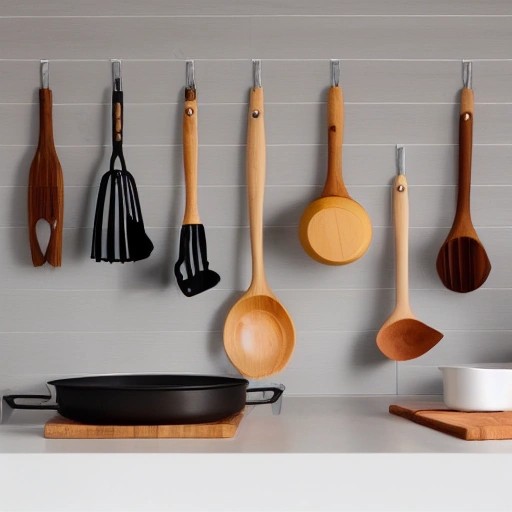
- Magnetic Knife Strips: Keep knives off the counter and on the wall.
- Pegboards: Hang pots, pans, and utensils for easy access.
- Wall Shelves: Display frequently used items while keeping counters clear.
- Ceiling Pot Racks: Hang cookware overhead to free up cabinets.
“I mounted a simple rail under my upper cabinets and hung all my measuring cups and spoons there,” says home cook Diana Perez. “It freed up an entire drawer.”
Drawer Organization
Keep drawers neat with simple organizers:
Drawer Organization Tips:
- Use dividers to separate utensils by type.
- Store lids separately in racks or on cabinet doors.
- Roll towels instead of folding to save space.
- Keep only the tools you use regularly in the main cooking area.
Cabinet Storage Tricks
Make the most of your cabinet space:
Cabinet Organization Ideas:
- Use shelf risers to double storage capacity.
- Store items by frequency of use (most accessible = most used).
- Use clear containers for dry goods to see what you have.
- Keep rarely-used items on higher shelves or in less accessible spots.
Visualizing the Impact of Minimalism
This chart shows how a minimalist approach improves kitchen efficiency compared to a cluttered kitchen.
Step-by-Step Guide: Decluttering for a Minimalist Kitchen
Ready to create your minimalist kitchen? Follow these steps:
Step 1: Empty Everything
Take everything out of your cabinets, drawers, and off your counters. See the full scope of what you own.
Step 2: Sort by Category
Group items together: cookware, knives, utensils, small appliances, bakeware, food storage, and miscellaneous.
Step 3: Apply the One-Year Rule
For each item, ask: “Have I used this in the last year?” If the answer is no, it’s time to let it go.
Step 4: Test for Versatility
For tools you’re unsure about, ask: “Does this do something my existing tools can’t already do?” If not, it’s redundant.
Step 5: Donate or Sell
Good-quality items you don’t need can find new homes. Donate to charity, sell online, or give to friends.
Step 6: Organize What Remains
Use drawer dividers, shelf risers, and containers to keep everything neat and accessible.
Step 7: Maintain the System
Adopt the “one in, one out” rule: whenever you buy something new, let go of something old.
The Art of Intentional Buying
A minimalist kitchen isn’t built overnight—it’s maintained through intentional choices. Here’s how to avoid clutter in the future:
The 48-Hour Rule
Before buying any kitchen tool, wait 48 hours. If you still want it and can explain exactly how you’ll use it weekly, then consider buying it.
The Three-Use Test
Before buying, ask: “Can I name at least three regular uses for this?” If you can only think of one, it’s probably a gadget, not an essential.
Quality Over Quantity
Spend money on tools that last. A single high-quality chef’s knife is better than five cheap ones. The same applies to cookware, appliances, and utensils.
Regular cleaning prevents grease buildup and keeps your minimalist kitchen looking fresh.
Always unplug appliances before cleaning or repairing them.
FAQ: Building a Minimalist Kitchen
What is a minimalist kitchen?
A minimalist kitchen contains only the tools you use regularly, organized for efficiency and kept free of unnecessary clutter.
How many kitchen tools do I really need?
Most home cooks need about 20–30 essential tools, including knives, cookware, utensils, and a few small appliances.
What should I get rid of first?
Start with single-use gadgets you haven’t used in the last six months, duplicate items, and broken or worn-out tools.
Can I have a minimalist kitchen if I love cooking?
Absolutely! Minimalism is about keeping what you use, not depriving yourself. If you cook often, you’ll keep more tools—and that’s fine.
How do I store pots and pans in a minimalist kitchen?
Use a ceiling pot rack, wall-mounted pegboard, or stackable storage to keep them accessible without cluttering cabinets.
What’s the best way to organize small appliances?
Keep daily-use appliances on the counter and store less-used ones in cabinets or a pantry. Only keep what you use regularly.
How often should I declutter my kitchen?
Aim for a seasonal declutter—spring, summer, fall, and winter. Regular maintenance prevents buildup.
Which minimalist kitchen strategy do you want to try first? Share your thoughts in the comments.
Trusted Resources for Minimalist Kitchen Living: