
Best Cooking Tools Made From Stainless Steel, Wood, and Silicone: A Complete Guide to Non-Toxic, Durable Kitchen Essentials
You open your kitchen drawer and see a jumble of melted spatulas, scratched nonstick pans, and plastic tools that look like they’ve seen better days. It might be time for an upgrade.
The best kitchen utensils are not just about looks. They are about safety, durability, and performance. The three standout materials that dominate professional and home kitchens are stainless steel, wood, and silicone . Each brings unique strengths to the table. This guide will help you understand which one is right for your cooking style and how to build a collection that lasts.
Why Ditch the Plastic? The Case for Better Materials
More and more home cooks are moving away from plastic and nylon tools. Some older black plastic utensils have been linked to concerns about chemicals leaching into food . Plus, cheap plastic can melt, warp, or scratch your cookware. Stainless steel, wood, and silicone offer safer, longer-lasting alternatives that won’t release microplastics into your meals .
The All-Star Materials: Strengths and Best Uses
Stainless Steel: The Indestructible Workhorse
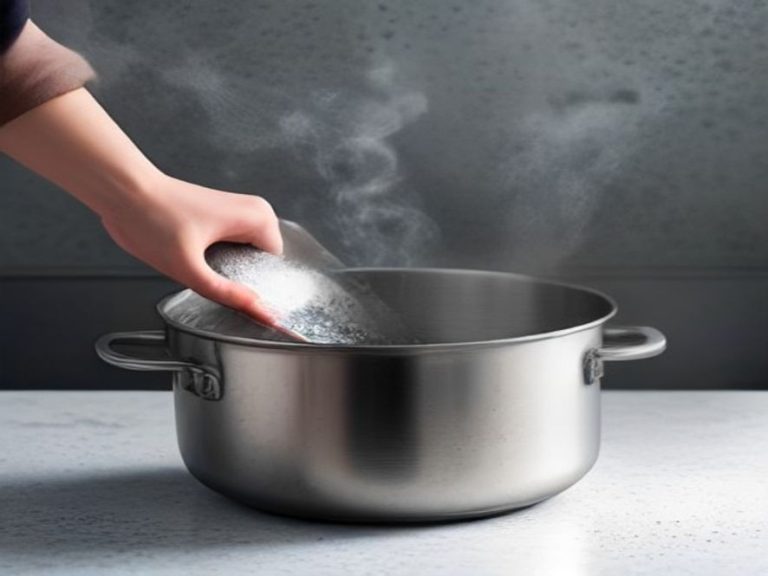
If you want a tool that will last forever, stainless steel is your answer. It is the most heat-stable and shock-resistant material in the kitchen, making it “practically eternal” . Professional chefs rely on it for tasks like scraping up browned bits (fond) or smashing burgers .
- Pros: Dishwasher-safe, won’t absorb odors, handles extreme heat, very durable .
- Cons: Will scratch nonstick and ceramic cookware. It is best used with cast iron, carbon steel, or stainless steel pans .
- Best For: Searing, deglazing, heavy-duty stirring, and anything involving high heat .
Wood: The Gentle, Classic Choice
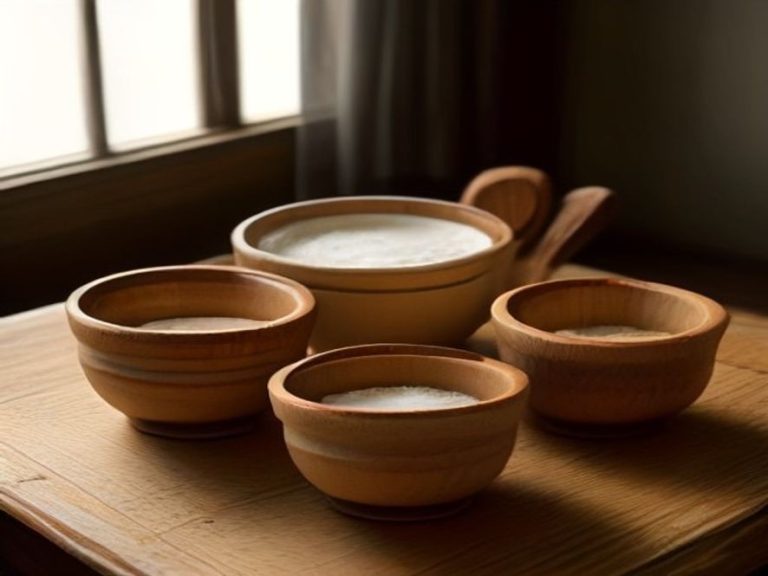
Wooden utensils are a kitchen workhorse that has stood the test of time. They are naturally gentle on all cookware surfaces and won’t scratch anything. High-quality hardwoods like teak and acacia are durable, and teak is especially resistant to water and cracking . Many chefs prefer wood for its firm, comfortable feel .
- Pros: Won’t scratch pans, naturally antimicrobial when properly dried, sturdy and comfortable in the hand .
- Cons: Hand-wash only (dishwashers cause cracking), requires occasional oiling, can absorb stains and odors .
- Best For: Stirring, sautéing, scraping, and serving on all pan types .
Silicone: The Flexible Modern Marvel
Silicone is the ideal material for protecting nonstick pans. It is non-porous, flexible, and doesn’t burn or scratch . High-quality, food-grade silicone (often called “platinum-cured”) is heat-resistant up to 600°F and free of BPA . It is also incredibly easy to clean, often being dishwasher-safe .
- Pros: Won’t scratch cookware, heat-resistant, non-stick, dishwasher-safe .
- Cons: Quality varies; look for solid, seamless designs without cheap plastic handles .
- Best For: Nonstick pans, scraping bowls, flipping delicate foods, baking .
Quick Comparison Table
| Feature | Stainless Steel | Wood | Silicone |
|---|---|---|---|
| Best For | High heat, searing, scraping | All-purpose stirring, serving | Nonstick pans, baking, scraping |
| Heat Resistance | Unlimited | High (naturally heat-resistant) | Up to 600°F (varies by brand) |
| Dishwasher Safe? | Yes | No | Yes |
| Will It Scratch Nonstick? | Yes | No | No |
| Maintenance | Easy, run through dishwasher | Hand-wash, oil occasionally | Minimal |
| Hygiene Lab Note | Lowest bacteria accumulation in tests | Moderate, depends on wood type and care | Can harbor bacteria if scratched/worn |
Hygiene Insight: What a Lab Test Found
A Spanish lab experiment compared bacteria growth on silicone, wood, and stainless steel utensils after washing . The results showed that stainless steel had the lowest bacteria count, likely due to its smooth, non-porous surface . Wood fell in the middle. Interestingly, silicone showed the highest bacteria growth in this specific test .
Important Note: The lab emphasized that this is not a universal rule. A silicone utensil’s cleanliness depends heavily on its condition—scratches and wear can trap bacteria. A seamless, well-maintained silicone tool is much cleaner than a worn-out one .
How to Choose the Right Set
When picking utensils, think about your cookware. If you use nonstick pans, you need silicone or wood . If you use cast iron or stainless steel, stainless steel tools are a great choice . Also, look for these signs of quality:
- Silicone: Choose seamless, one-piece designs with no crevices. Avoid tools with a plastic handle and silicone head glued together .
- Wood: Select dense hardwoods like teak or acacia. Avoid bamboo, which is more porous .
- Stainless Steel: Look for solid, continuous pieces with no weak joints .
Simple Solutions to Common Questions
Why shouldn’t I use metal on my nonstick pan?
Metal utensils will scratch and ruin the nonstick coating, causing food to stick and potentially releasing harmful particles .
Which material is the most hygienic?
Based on lab tests, stainless steel can be the easiest to sanitize due to its smooth surface . However, proper cleaning and maintenance are more important than the material itself.
Can I put wooden spoons in the dishwasher?
No. The high heat and harsh detergents will dry out the wood, causing it to crack and warp .
What is the best spatula for flipping eggs?
A thin, flexible silicone fish spatula is perfect for this. It’s gentle on the pan and slides easily under the egg .
How do I know if my silicone tool is safe?
Look for “food-grade” or “platinum-cured” silicone from a reputable brand. Avoid cheap options with a strong plastic smell .
Which type of utensil do you find most useful in your kitchen? Share your thoughts in the comments.
Trusted Resources for Kitchen Tools and Safety: