Best Wooden Cooking Utensils for Everyday Cooking: A Guide to Safe, Durable Kitchen Tools
That feeling of pulling a melted, warped spatula out of a hot pan is not just frustrating—it might also mean you’ve been cooking with chemicals you didn’t bargain for.
More and more home cooks are making the switch from plastic to wooden utensils, and for good reason. Studies have raised concerns about chemicals leaching from black plastic kitchen tools into food during cooking, and microplastics are turning up in places we’d rather they didn’t . The good news is that wooden utensils offer a simple, affordable way to cook more safely while adding a touch of warmth and character to your kitchen.
TL;DR
This guide explains why wooden utensils are worth the switch, which types of wood are best, and how to choose the right tools for your kitchen. You’ll learn about the benefits of hardwoods like teak and beechwood, understand what to look for in a quality set, and discover simple care tips to make them last for years.
Key Takeaways
- Hardwoods like teak and beechwood are the best choices because they’re dense, durable, and resist moisture .
- Wooden utensils won’t scratch non-stick, ceramic, or enameled cookware, preserving your pans .
- They are naturally heat-resistant and won’t melt or warp like plastic when exposed to high temperatures .
- Hand-wash only and dry immediately—dishwashers and prolonged soaking cause cracking and splitting .
- Regular oiling with food-grade mineral oil keeps wood hydrated and extends its lifespan .
Why Choose Wooden Utensils for Everyday Cooking?
Wooden utensils have been used for centuries, and they’re making a strong comeback. Here’s why they’re worth a spot in your kitchen drawer.
Natural and Chemical-Free
One of the biggest draws of wooden utensils is what they don’t contain. High-quality wooden tools are made from a single piece of wood without added chemicals, BPA, phthalates, or other toxins commonly found in plastic utensils . Unlike plastic, which can release harmful substances when heated, wood stays stable and won’t leach anything into your food. If you’re looking to reduce your exposure to microplastics, switching to wood is a simple and effective first step .
Gentle on Your Cookware
If you’ve invested in non-stick or ceramic pans, wooden utensils are your best friend. Their soft, natural texture won’t scratch or damage delicate surfaces . Metal tools can leave permanent marks, and plastic can melt onto hot pans, but wood glides smoothly across the surface, protecting your cookware investment. This gentle touch is one of the main reasons chefs and home cooks alike prefer wood for everyday use .
Heat-Resistant and Durable
Wood is naturally heat-resistant and won’t melt or warp when exposed to high temperatures . You can use a wooden spoon to stir a bubbling stew or a wooden spatula to flip a sizzling pancake without worrying about it softening or deforming. When properly cared for, wooden utensils can last for years, even decades . They resist wear and tear and can become beautifully seasoned with use—unlike plastic, which often needs replacing after a few months.
Naturally Antimicrobial
There’s a surprising bonus to wood’s porous nature: it’s naturally antimicrobial. Studies have shown that bacteria on wooden surfaces are either washed away or absorbed into the wood, where they cannot reproduce and die off . Of course, this only works if you clean and dry your utensils properly, but it’s a reassuring feature that makes wood a hygienic choice for the kitchen.
What to Look for When Buying Wooden Utensils
Not all wooden utensils are created equal. Here’s what to keep in mind when shopping for a set.
Choose Hardwoods Over Softwoods
The type of wood makes a big difference in durability and performance. Hardwoods like teak, beechwood, olive wood, and acacia have tight, dense grains that resist moisture and wear . They’re less porous than softwoods like pine or cedar, which means they won’t absorb as much liquid and are less likely to crack or split. Teak, in particular, is prized for its natural oil content, which helps it resist water and odors . Beechwood is another excellent, durable choice that’s widely available and affordable .
Look for a Food-Safe Finish
Some wooden utensils come unfinished, which can feel rough and stain more easily. Others are coated with a food-safe finish like natural oil, beeswax, or a food-grade varnish . Finished utensils tend to rinse clean more easily and dry more quickly. Avoid synthetic varnishes or lacquers that could chip or peel over time. A natural oil or beeswax finish is the safest bet .
Consider the Set and Design
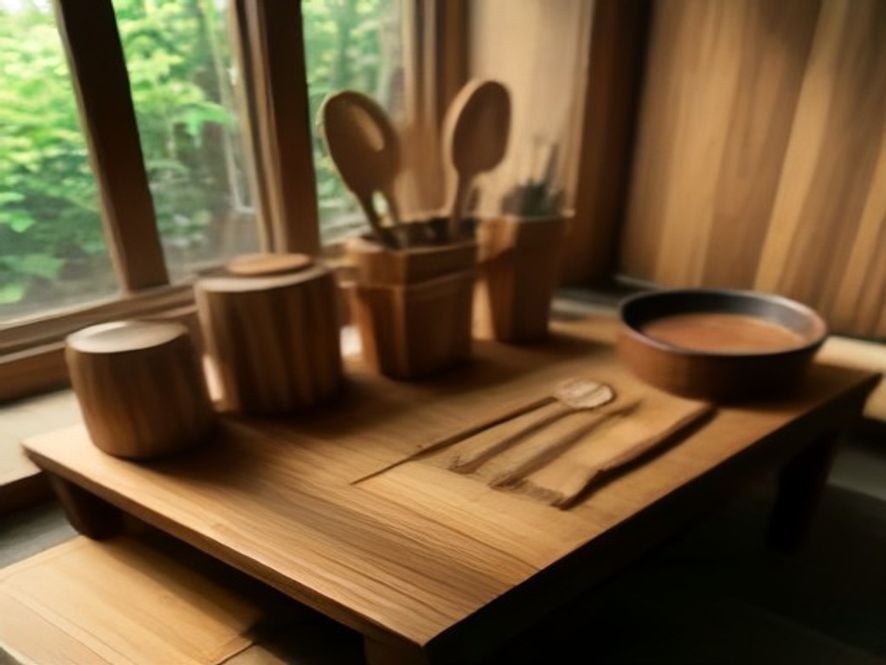
When choosing a set, look for a good variety of shapes: spoons, spatulas, turners, and slotted tools cover most everyday cooking tasks . Deeper spoon bowls are better for scooping and stirring, while thin, flat-edged spatulas make flipping easier . Handles should be comfortable to grip and long enough to keep your hands safely away from hot surfaces—around 13 to 15 inches is ideal . Many sets now come with a storage holder, which keeps utensils organized and allows them to air-dry properly .
Comparison of Popular Wooden Utensil Sets
| Brand / Set | Material | Best For | Key Feature |
|---|---|---|---|
| Woodenhouse 12-Piece Set | Solid Teak | Complete everyday set | 12 pieces with barrel storage and spoon rest |
| OXO Good Grips 3-Piece Set | Beechwood | Ergonomic flipping and stirring | Thin tapered edges, comfortable handles |
| Caraway 5-Piece Set | Birch Wood | Aesthetic and functional | Food-safe varnish, smooth finish |
| Zulay Kitchen 6-Piece Set | Variety | Versatile starter set | 6 different shapes for multiple tasks |
| Wottish 8-Piece Set | Bamboo | Organized storage | Includes utensil holder to free up drawer space |
How to Care for Your Wooden Utensils (So They Last)
Wooden utensils need a little love to stay in great shape. Follow these simple steps to keep them looking good and lasting long.
Hand Wash Only—No Dishwasher
This is the golden rule of wooden utensil care. Dishwashers expose wood to harsh detergents and high heat, which strip away natural oils and cause cracking, splitting, and warping . Instead, wash your utensils by hand with warm, soapy water and a soft sponge. Rinse well and dry immediately with a towel . Never leave them soaking in the sink.
Oil Them Regularly
Wood dries out over time, especially with regular washing. To keep your utensils hydrated and prevent cracking, oil them every few weeks or whenever they start to look dull and dry . Use a food-grade mineral oil, or natural oils like coconut, peanut, or sunflower oil . Rub a thin layer over the entire utensil, let it sit for a few hours or overnight, then wipe off any excess .
Store Them Properly
Store wooden utensils upright in a utensil holder where they can breathe, rather than crammed flat in a drawer . Make sure they’re completely dry before storing to prevent mold growth in dark, damp spaces. Keep them away from direct heat sources like stovetops or sunny windowsills, as extreme temperature changes can cause the wood to expand and contract, leading to cracks .
When to Replace Them
Even with the best care, wooden utensils won’t last forever. Replace them if you notice :
- Visible cracks or splits—these can trap moisture and bacteria.
- A rough, splintering texture that doesn’t smooth out after oiling.
- Stubborn stains or lingering odors that won’t wash away.
- Soft or flaking wood—signs the wood is breaking down.
- Warping that makes the utensil unreliable or difficult to use.
Simple Solutions to Common Questions
Why does my wooden spoon smell like garlic?
Wood can absorb odors from strong foods. To freshen it up, rub the utensil with lemon juice and coarse salt, then rinse and dry thoroughly .
Can I use wooden utensils on non-stick pans?
Yes, absolutely. Wood is gentle on non-stick, ceramic, and enameled surfaces and won’t scratch or damage them .
What’s the difference between teak and beechwood utensils?
Teak is naturally water-resistant and prized for its durability and rich color. Beechwood is also very durable and strong, often more affordable, and widely available .
How often should I oil my wooden utensils?
Every few weeks or whenever they look dry and dull. Regular oiling prevents cracking and keeps the wood smooth .
Can I use wooden utensils for high-heat cooking?
Yes, wood is naturally heat-resistant and won’t melt or warp like plastic. However, avoid leaving them resting in a hot pan for extended periods .
Why shouldn’t I put wooden utensils in the dishwasher?
Dishwashers strip the wood’s natural oils and expose it to harsh heat and detergents, causing warping, splitting, and cracking .
Which kitchen tool do you want to learn about next? Share your thoughts in the comments.
Trusted Resources for Kitchen Tools and Cookware Care: