
How to Choose Cooking Tools You’ll Actually Use Every Day
The secret to a well-stocked kitchen isn’t buying more gadgets—it’s choosing versatile, high-quality tools that genuinely make cooking easier and more enjoyable.
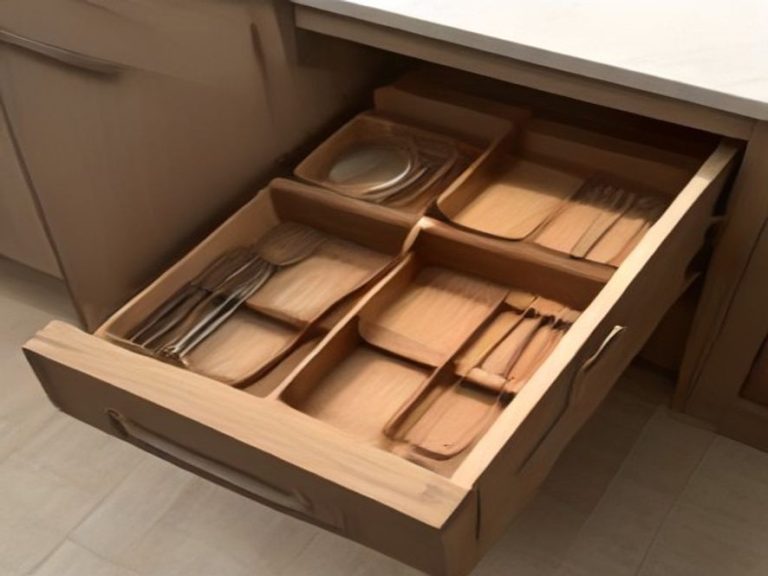
You know that feeling when you open a drawer and it’s crammed with gadgets you can’t even identify? Or maybe you’ve bought a trendy tool that looked amazing online, only to use it once and banish it to the back of a cabinet. The problem isn’t you—it’s that many kitchen gadgets solve problems you didn’t really have. The best way to build a collection of tools you’ll actually use is to think carefully before you buy. A few thoughtful choices will save you money, space, and frustration.
TL;DR
- The Problem: Kitchens fill up with gadgets that seem useful but rarely get touched.
- The Solution: Before buying, ask if a tool you already own does the same job, if it saves real time on a task you do often, and if it pulls at least double duty.
- How to Fix It: Focus on versatile, high-quality basics like a chef’s knife, a sturdy wooden spoon, and a reliable skillet. Skip single-use items like avocado slicers and specialty appliances that collect dust.
- Key Takeaway: The tools you reach for every day are the ones that are comfortable, durable, and useful across many recipes.
The Three Questions to Ask Before You Buy Anything
The difference between a useful tool and a drawer-filler often comes down to how you actually cook. Chef Marissa Stevens has a simple rule: “Before I buy any kitchen gadget, I ask myself if a tool I already have can do the same thing. I don’t own a lot of gadgets, because the answer is usually ‘yes'” .
Here are three questions chefs recommend asking before any purchase:
1. Does a tool I already own do this job?
If the answer is yes, save your money and space. A sharp knife and a spoon can replace dozens of single-use gadgets .
2. Will this save me real time on something I do often?
“If a gadget makes a task you do all the time genuinely faster, it’s probably worth the expense and space in your kitchen,” says Stevens. “But if it only saves a few seconds and then you have to wash another tool, it’s not worth having” .
3. Does this tool pull at least double duty?
“The tools I use most pull at least double duty,” Stevens explains. “A good chef’s knife, rimmed sheet pans with parchment, a bowl scraper: I use these constantly because they work across hundreds of different dishes” . Chef Katie Vine agrees: “If it’s just a specialty tool for one special occasion dish, it’s not worth it. I want something that I use at least once a week, or that has multiple uses” .
Tools Chefs Actually Reach For Every Day
Good Housekeeping’s kitchen experts, who spend thousands of hours testing gadgets, have a clear collection of tools they actually use when cooking for themselves . Here’s what makes the cut:
The Everyday Essentials
A Chef’s Knife (8-inch)
This is the unanimous choice of every chef interviewed across multiple sources . Chef Steven Carter-Bailey, a Great British Bake Off finalist, says a good chef’s knife “will do everything from basic to intricate chopping, and can handle larger jobs such as chopping tougher vegetables or portioning meat on the bone” . Look for a blade that feels balanced and comfortable in your hand. Misen’s 8-inch chef’s knife is praised for being lightweight, easy to hold, and “a reliable, no-nonsense workhorse in the kitchen” .
A Wooden Spoon
“The humble wooden spoon” is irreplaceable, according to the Blue Apron team. It’s strong enough to scrape up caramelized fond but soft enough that it won’t scratch a nonstick pan. Wood doesn’t conduct heat as quickly as metal, so you can stir a boiling pot without burning your hand . Home economist Fiona Mair says she’s had some of her wooden spoons for more than 20 years . Pro tip: Handwash wooden utensils—dishwashers cause them to warp and crack .
A Silicone Spatula
This is a universal favorite. Good Housekeeping’s Kitchen Appliances Lab Director Nicole Papantoniou says, “This spatula is my go-to in the kitchen. It’s durable, heat-resistant, and can be washed in the dishwasher. I use it for everything from making scrambled eggs to stirring sauce” .
When choosing a spatula, Food Network chef Maeve Rochford offers a crucial tip: avoid spatulas with seams where the head meets the handle. Those crevices “can trap food and dirt in hard-to-clean crevices where bacteria can grow.” Instead, choose a one-piece silicone option .
Tongs
A good pair of tongs “will feel like an extension of your own two hands” . Use them for tossing salad, flipping proteins, and serving just about anything. Silicone-tipped tongs are gentle on nonstick cookware .
A Microplane
This humble grater is a secret weapon. Chef Neel Kajale of New York’s Adda can’t live without his: “A Microplane’s teeth are very sharp and offer no resistance, so you can roll an ingredient over it and end up with a snowy shower of Parmesan, green chili, or nutmeg, which a box or wand grater simply wouldn’t do justice to” . Home chef Joanne Gallagher calls it a great example of a tool worth buying because it “makes grating garlic and ginger easier, and takes less time than finely mincing them” .
The Kitchen Workhorses
A Cast Iron Skillet
A cast iron pan is beloved for its durability and versatility: you can fry, sauté, braise, or bake in it. With proper care, it actually improves with use .
A Large Cutting Board
Wooden boards are kinder to your knives than glass, metal, or stone . A double-sided board lets you chop on one side and use the other for serving—”a more practical, multi-use option that easily transitions from prep to entertaining,” says Chef Rochford .
A Bench Scraper
This $5 tool is a chef favorite. It’s not just for dough—it sweeps your workspace tidy and transfers prepped ingredients from cutting board to pan. “Using your knife to slide vegetables off your cutting board, especially if you use the sharp edge, can damage the blade,” explains Chef Kajale. “This is where a bench scraper comes in” .
A Digital Kitchen Scale
Baking is all about precision. A kitchen scale lets you weigh ingredients accurately, especially small amounts like spices, salt, and leavening agents. Pastry chef M. Kathleen Meisinger recommends one that measures down to 0.1 grams for reliable consistency .
What to Skip
Chefs are remarkably consistent about the gadgets you don’t need:
Avocado Slicers – A knife and spoon do the same job with more control .
Garlic Presses – A sharp knife is faster and easier to clean .
Onion Holders and Goggles – Neither works well. Learn proper knife technique instead .
Electric Can Openers – A manual opener is compact, reliable, and doesn’t need an outlet .
Single-Use Appliances – Ice cream makers, popcorn machines, and cotton candy makers “clutter up your kitchen, collect dust, and aren’t worth the investment for most people” .
Specialty Herb Strippers – Chef Eric Rowse calls his “a waste of money that’s been sitting in my cupboard, laughing at me for almost a decade” .
The Rule of Thumb
Chef Maeve Rochford offers a simple seasonal reset rule: reassess your kitchen tools regularly and replace anything that’s worn, dirty, or unused . “A lot of people are holding onto things way longer than they should,” she says.
Remember: “A few high-quality, versatile tools go much further than a drawer full of single-use gadgets” . Start with the basics, master your knife skills, and let your collection grow naturally based on what you actually cook.
Smart Kitchen Tool Selection Guide for Home Cooks
- ABC Australia – Choosing the Best Cooking Utensils for Your Kitchen
- Good Housekeeping – 12 Essential Kitchen Tools Experts Use Every Day
- Real Simple – Chefs Explain What to Look for in Kitchen Gadgets
- Food & Wine – Chef-Approved Tools That Punch Way Above Their Price Tag
Which kitchen tool do you use every single day—and which one collects dust? Share your thoughts in the comments.