How to Organize a Junk Drawer in the Kitchen So It Stays Useful
You open the drawer to find a pen, and a wave of random items—batteries, twist ties, old receipts, and three mismatched scissors—greets you like an avalanche.
We’ve all been there. That infamous kitchen junk drawer has become the final resting place for everything without a proper home. But here’s the thing: a junk drawer doesn’t have to be junky. With the right approach, it can become one of the most useful spots in your kitchen.
The Real Problem with Junk Drawers
Most junk drawers aren’t messy because we’re lazy. They’re messy because they’ve become the dumping ground for everything that doesn’t have a home—especially when we’re in a rush. The drawer’s job becomes making the kitchen look neat fast. The problem? The chaos doesn’t disappear—it just hides.
That’s why you can never find what you actually need. The drawer is trying to do too many jobs at once and doing none of them well.
Step-by-Step Fix: From Chaos to Command Center
Step 1: Pull Everything Out
This is non-negotiable. Take every single item out and lay it on your counter or table. You simply can’t organize what you can’t see. Professional organizer Jessica Litman recommends removing everything first, giving the drawer a good cleaning, and tossing any actual garbage like opened plastic forks or old baggies. Emptying it fully also lets you find duplicates, broken items, and things you haven’t touched in years.
Step 2: Declutter Ruthlessly
Now comes the hard but essential part. Pick up each item and ask yourself one simple question: “Do I really need this item handy in my kitchen?”
Common items that should leave the drawer:
- Rubber bands, staplers, rarely used office supplies – If you use it once a year, it’s not “handy.”
- Random batteries – Two random batteries won’t help you when something dies. All batteries should be stored together in one place. Pro tip: Never store loose batteries in a drawer!
- Old chargers, wires, and screws – Keep one known charger you use regularly. Random screws with no purpose? Toss them.
- Dried-out pens and markers – Test them. If they don’t work, they’re just clutter.
- Single-use gadgets you never touch – That apple corer or egg timer you’ve never used? It’s taking up valuable space.
- Duplicates – Keep one. Store extras elsewhere.
One popular decluttering trick is the “Take Away 10” method: go through the drawer and remove 10 items you don’t need. Often, you’ll find even more to part with, but starting with 10 gets the momentum going.
Step 3: Give the Drawer a New Identity
A junk drawer becomes junk when it has no real purpose. Instead, give it a clear job. Professional organizers call this an “Everyday Essentials Station.” Ask yourself: What do I reach for in this drawer every day?
Common essentials that actually belong: tape, pens and notepads, scissors, matches, small tools, corkscrews, and wine stoppers.
Step 4: Group Items by Category
Sort everything into piles based on function—not by shape or size. Think “pens with pens,” “batteries with batteries,” “small tools with small tools,” and “twist ties with twist ties”.
Organizer Jessica Litman advises: only store items that match your drawer’s categories. When you get a new item, if it doesn’t fit into a category you’ve designated for that drawer, find another home for it—or ask yourself if you really need it at all.
Step 5: Choose the Right Organizers
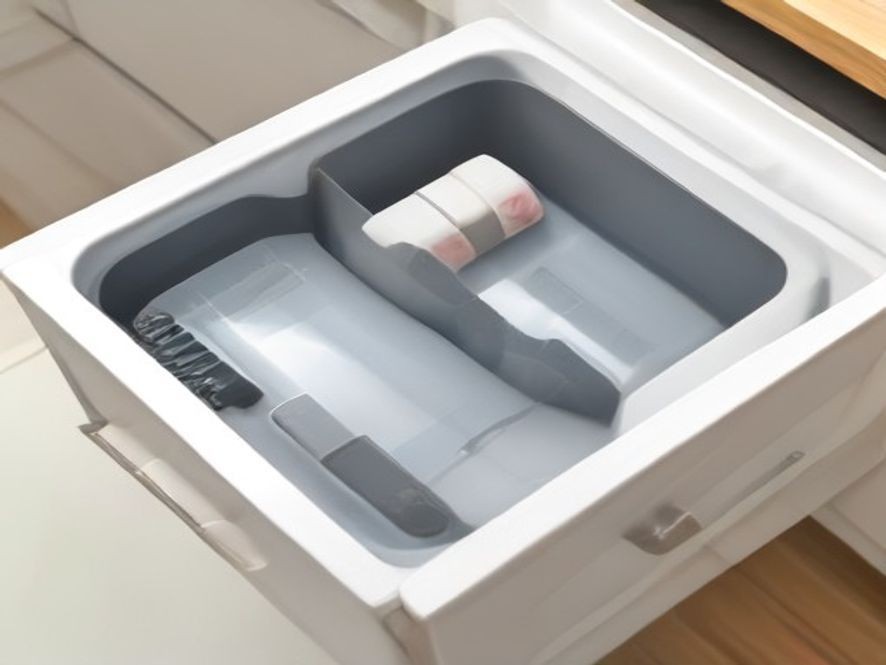
This is where the magic happens. The right dividers and small bins create boundaries so clutter can’t spread.
What to look for:
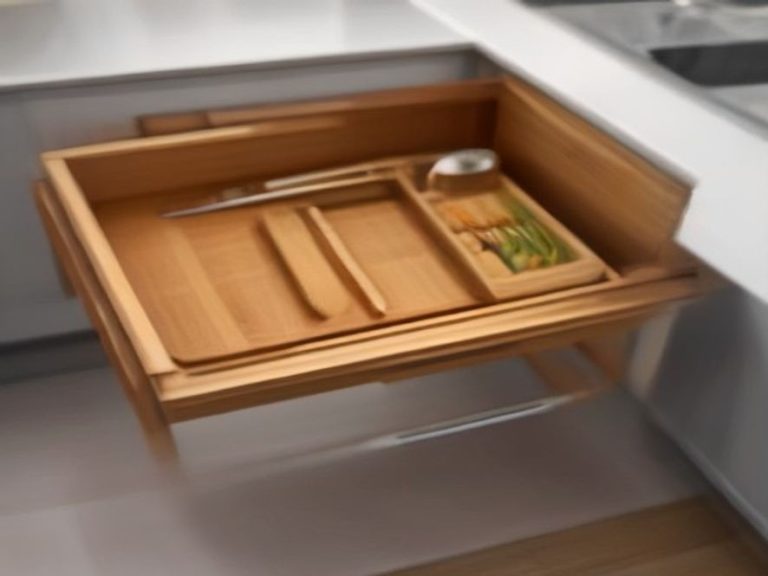
- Expandable organizers that adjust to your drawer size (bamboo or plastic options work great)
- Small square trays for loose bits like paper clips or twist ties
- Narrow organizers for pens, scissors, and small tools
- Compartment trays for different categories
The OXO Good Grips Compact Utensil Organizer ($17) is one well-rated option—it has three compartments and rubberized feet to prevent sliding, making it a great fit for narrow drawers. Real Simple also recommends an adjustable bamboo organizer that expands to fit most drawer sizes for under $15.
Step 6: Label Everything
Labels are the unsung heroes of organization. They prevent family members from undoing your hard work and encourage consistent habits. You can label the organizers themselves or the drawer’s interior. This is especially useful for shared households where everyone dips into the same drawer.
Step 7: Establish a Routine
This is the step that keeps things organized long-term. As the “SIMPLE” method emphasizes, you need to “Establish a routine”.
Take five minutes every couple of weeks to do a quick tidy-up. Make it a habit to put things back in their designated spots after use. When you get new items, ask: does it belong here? If not, put it where it does belong—or reconsider if you really need it at all.
Comparison Table: Junk Drawer Organizer Options
| Organizer Type | Best For | Approximate Cost | Key Feature |
|---|---|---|---|
| Expandable Bamboo Tray | Adjustable fit for most drawers | $11-$15 | Expands to fit, multiple compartments |
| OXO Compact Utensil Organizer | Narrow drawers, small spaces | $17 | Removable tray, rubberized feet |
| Multi-compartment Acrylic Dividers | Small items like batteries and paper clips | $10-$20 | Clear visibility, prevents mixing |
| Drawer Bag Organizer | Storage bags (gallon, quart, sandwich) | $15-$25 | Holds bags upright, frees cabinet space |
| Sliding Deep Drawer Organizer | Deep drawers needing two-tier access | $20-$30 | Slides forward, creates extra storage underneath |
What Stays, What Goes: A Quick Reference
Keep in the kitchen junk drawer:
- Pens, pencils, and a small notepad
- Scissors and tape
- Matches and a small flashlight
- Corkscrews and wine stoppers
- A few rubber bands and twist ties
- Small tools you reach for regularly
Relocate or toss:
- Random screws and mystery keys (store elsewhere or toss)
- Duplicate items (keep one, store the rest)
- Birthday candles and holiday items (store with seasonal decor)
- Loose batteries (store all together elsewhere)
- Personal care items (belong in a bathroom)
Expert Insight
“A junk drawer works when it stops being a junk drawer. Keep only the items you use regularly—and nothing more. That way, the next time someone asks for a pen, you’ll open your drawer, grab one, and move on with your day.” — Professional organizer Shulamis Weil
“When you get a new item, if it doesn’t fit into that category in that drawer, ask yourself if you have another location with that category. If yes, store it there. If not, ask yourself if you actually need that item.” — Organizer Jessica Litman
FAQ: Junk Drawer Organization
1. Why does my junk drawer always get messy again?
Because it has no designated purpose. Give it a clear job, like “Everyday Essentials,” and only store items that fit that job.
2. What is the “Take Away 10” decluttering method?
You go through the drawer and remove 10 items you don’t need. It’s a quick way to make progress and build momentum.
3. What organizers work best for a junk drawer?
Small expandable trays, acrylic dividers, and narrow compartments. Look for options that fit your drawer size and create boundaries for each category.
4. Should I store batteries in my junk drawer?
No! Loose batteries in a drawer are a safety hazard. If you store batteries, keep them all together in one designated container—not loose.
5. What should I keep in a kitchen junk drawer?
Pens, notepad, scissors, tape, matches, small tools, corkscrews, and other everyday items you reach for regularly.
6. How do I stop the junk drawer from getting messy again?
Use labels, keep categories clear, and do a 5-minute tidy-up every couple of weeks. When you add something new, ask if it truly belongs there.
7. What is the “SIMPLE” method for drawer organization?
An acronym: Sort like items, Identify what to keep, Make a home, Put it in containers, Label it, and Establish a routine.
A well-organized junk drawer isn’t about perfection—it’s about function. When you can grab a pen or scissors without digging through clutter, that drawer is doing its job. The process takes an hour or two, but the payoff is daily convenience.
Which item in your junk drawer is the biggest offender? Share your experience in the comments!
Practical Junk Drawer Organization Tips and Expert Advice for a More Functional Kitchen: