
Kitchen Cabinet Space Not Enough Fixes: Smart Kitchen Organization Tips That Work
You open your kitchen cabinet to put away a new mixing bowl, but there is literally no room — even though you just cleared out old takeout menus and chipped mugs last month.
TL;DR: Running out of cabinet space is rarely about having too much stuff. It is about using your space poorly. Most cabinets have wasted vertical space, unused door interiors, and poorly organized corners. The fixes are simple: add shelf risers to double your space, install door-mounted racks, use stackable bins, hang pots on a wall rack, and store off-season items elsewhere. You can gain 30 to 50 percent more usable space without remodeling or spending much money.
🔵 Key Takeaways
- The space above your upper cabinet shelves is completely wasted without shelf risers.
- Cabinet doors can hold cutting boards, spice jars, pot lids, and cleaning supplies.
- Deep corner cabinets become dead zones without pull-out shelves or lazy susans.
- Storing like with like (plates with plates, bowls with bowls) saves surprising amounts of space.
- Off-season appliances like the turkey roaster or ice cream maker should not live in prime cabinet real estate.
The Real Causes of Cabinet Space Problems and How to Fix Them
Your kitchen cabinets are probably bigger than you think. The problem is not the size of the boxes. The problem is how you fill them. Most kitchens have wasted vertical space inside every cabinet. Look at your upper cabinets right now. Is there empty air between the top of your coffee mugs and the shelf above them? That empty air is wasted space.
The same goes for lower cabinets. Deep cabinets force you to stack things in front of other things. You cannot reach the back, so the back becomes a dead zone where stuff goes to be forgotten.
The fixes in this guide work for renters and homeowners alike. No drilling is required for most solutions.
Why Deep Corner Cabinets Are Space Wasters
Corner cabinets are the worst offenders. You put things in the back, then you cannot reach them without climbing halfway inside. So you stop using the back. That is half your cabinet space gone.
The solution is a lazy susan turntable or pull-out shelves. These let you spin or slide the back of the cabinet to the front. Everything becomes reachable. Every inch becomes usable.
“The average kitchen wastes about 40 percent of its cabinet space due to poor organization. Shelf risers and pull-out racks recover most of that waste in an afternoon.”
Step-by-Step Guide: Fixes for Not Enough Cabinet Space
Follow these steps in order. You can do all of them in one weekend for under 50 dollars.
Step 1: Declutter First — Be Brutal
You cannot organize too much stuff. You have to reduce the stuff first. Empty one cabinet at a time. Pull everything out. Sort into three piles: keep, donate, trash.
Ask yourself these questions for each item:
- Have I used this in the past year?
- Do I have three of these when I only need one?
- Is this chipped, cracked, or broken?
- Did I forget I even owned this?
Be honest. That bread maker you used twice in 2019 does not deserve prime cabinet space.
Step 2: Add Shelf Risers to Upper Cabinets
Shelf risers are simple metal or plastic platforms with legs. They create two levels on one shelf. Short items like spice jars, small cans, and ramekins go on the upper level. Taller items like cereal boxes and oil bottles go on the lower level.
Measure your shelf height before buying. You need enough clearance above the riser for whatever you put on top. A good rule: shelf height minus 4 inches equals maximum riser height.
For cabinets with very tall ceilings, use two shelf risers stacked. This works perfectly for storing mugs, small bowls, and shot glasses.
Step 3: Install Door-Mounted Racks
The inside of your cabinet doors is free real estate. Use it. Stick-on or screw-in racks turn door space into storage for:
- Spice jars
- Cutting boards
- Pot lids
- Plastic wrap and foil boxes
- Cleaning spray bottles (under sink)
- Measuring cups and spoons
For renters, use adhesive hooks and lightweight wire racks. For homeowners, small screws hold heavier items like pot lids.
Safety reminder: Do not overload door racks. Heavy items can pull the door off its hinges or cause the door to sag over time.
Step 4: Use Stackable Bins and Drawers Inside Lower Cabinets
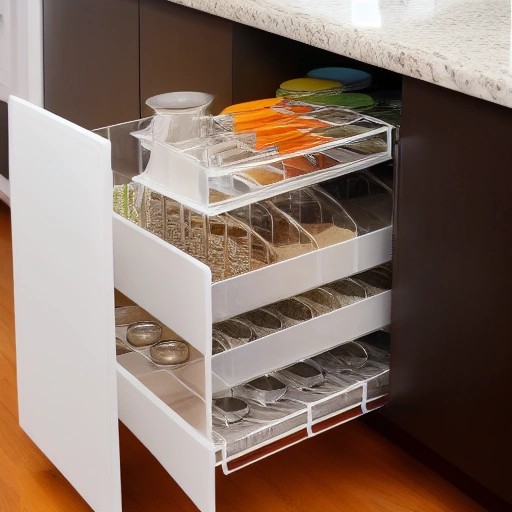
Deep lower cabinets need internal organization. Stackable wire bins let you pull out a bin like a drawer. Fill the bin with canned goods, snack bags, or baking supplies. Stack a second bin on top. Suddenly, your deep cabinet works like a filing cabinet.
Clear plastic drawers on casters slide in and out easily. Use them for potatoes, onions, or bulky snack boxes. When you need something from the back, just pull the whole drawer out.
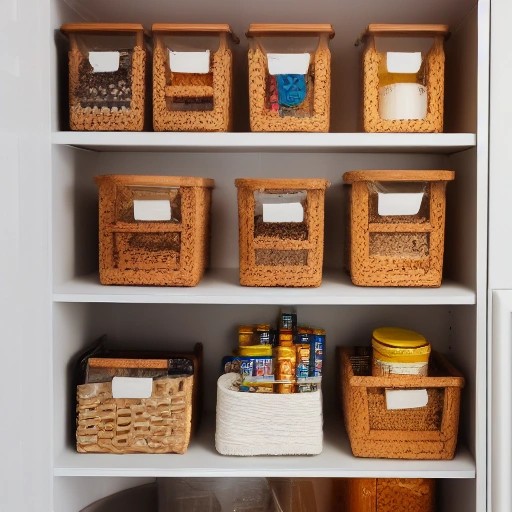
Label each bin or drawer with masking tape and a marker. Labels mean everyone in your home knows where things go.
Step 5: Add a Lazy Susan to Corner Cabinets
Measure your corner cabinet. Buy a lazy susan turntable that fits. Place it on the bottom shelf. Now spin the turntable to reach items in the back. No more dead zones.
For double-tier corner cabinets, use two lazy susans — one on the bottom shelf and one on the upper shelf. Store heavier items like canned goods on the bottom. Store lighter items like spices on the top.
Step 6: Hang Pots and Pans on a Wall Rack
Pots and pans take up huge amounts of cabinet space. A single stack of three saucepans uses an entire lower cabinet shelf. Move them out of your cabinets entirely.
Install a pot rack on an empty wall or from the ceiling. Hang your most-used pans on S-hooks. Your cabinets instantly gain a full shelf of space.
For renters or small kitchens, use a wall-mounted rail with hooks. Command adhesive hooks can hold lightweight pans if installed correctly on smooth tile.
Step 7: Store Off-Season Items Elsewhere
Your cabinets should hold what you use weekly or monthly. Off-season items belong somewhere else.
Move these out of your kitchen cabinets:
- Turkey roasting pan (use once a year)
- Ice cream maker (summer only)
- Cookie press (holidays only)
- Large punch bowl (entertaining only)
- Backyard grilling tools (outside with the grill)
Store these items in a basement closet, garage shelf, or high bedroom closet. Label the box clearly. When the season comes, swap them back in.
Comparison Table: Cabinet Space Solutions
| Solution | Best For | Space Gained | Difficulty | Cost |
|---|---|---|---|---|
| Shelf risers | Upper cabinets, short items | 50-100% more shelf levels | Very Easy | Low |
| Door-mounted racks | Spices, lids, cutting boards | 15-25% of cabinet volume | Easy | Low |
| Stackable bins | Deep lower cabinets | 30-50% more usable space | Easy | Low-Medium |
| Lazy susan | Corner cabinets | 60-80% of dead corner space | Medium | Medium |
| Pot rack | Pots, pans, lids | One full lower cabinet | Medium | Medium-High |
| Off-season storage | Rarely used appliances | 20-30% of total cabinet space | Very Easy | Free |
Wasted Cabinet Space by Cabinet Type
How to Organize Specific Cabinet Types
Different cabinets need different solutions. Here is how to fix the most common problem cabinets.
Under-Sink Cabinet
This space is awkward because of the pipes. But it is perfect for cleaning supplies. Use a tension rod to hang spray bottles from the cabinet top. Use stackable slide-out bins on the floor. Store sponges, gloves, and scrub brushes in a small caddy. Do not store food or paper products here — moisture and leaks will ruin them.
Narrow Cabinet (Spice or Baking Sheet Cabinet)
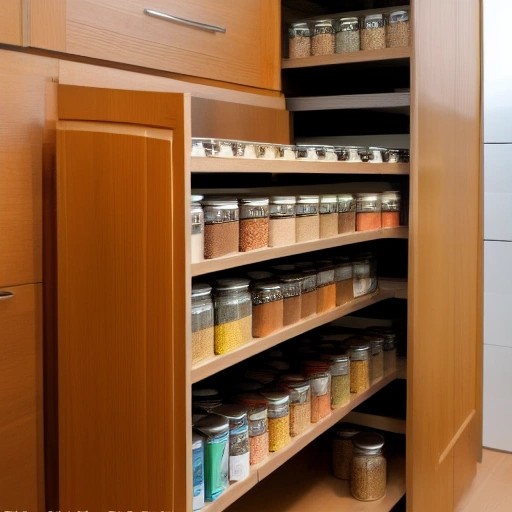
Narrow cabinets are often called “spice cabinets” or “cookie sheet cabinets.” Use a vertical divider to store baking sheets, cutting boards, and cooling racks on their edges. Install narrow pull-out drawers for spice jars. Or attach magnetic spice tins to a metal sheet stuck to the inside door.
Above-Fridge Cabinet
This space is hard to reach. Store things you rarely need: holiday platters, extra slow cookers, bulk paper towels, and party supplies. Use sturdy bins with handles so you can pull the whole bin down without climbing. Label each bin clearly so you know what is up there without pulling everything down.
Space-Saving Products Worth Buying
These inexpensive products pay for themselves in gained space.
- Shelf risers: 5 to 15 dollars each. Buy adjustable width ones.
- Lazy susan turntable: 15 to 30 dollars. Get one with a raised lip to keep items from sliding off.
- Under-shelf basket: 10 to 20 dollars. Slides onto a shelf and hangs below it. Perfect for coffee mugs or tea boxes.
- Stackable can rack: 10 to 25 dollars. Holds canned goods and automatically rotates older cans to the front.
- Pull-out drawer organizer: 15 to 40 dollars. Slides like a drawer inside your cabinet. Great for Tupperware lids.
Buy one product at a time. Organize one cabinet completely before moving to the next. This prevents buying things you do not actually need.
FAQ: Quick Answers to Cabinet Space Questions
How can I get more cabinet space without remodeling?
Use shelf risers to double your vertical space. Install door racks. Hang pots on a wall rack. Store off-season items elsewhere. These fixes cost under 50 dollars total.
What is the best way to organize deep corner cabinets?
A lazy susan turntable or pull-out swing-out shelves. Both bring the back of the cabinet to the front.
Can I store pots and pans somewhere other than cabinets?
Yes. Wall-mounted pot racks, ceiling pot racks, or a rolling kitchen cart with shelves. All free up cabinet space completely.
How do I organize Tupperware lids?
Use a vertical lid organizer (like a small file folder) inside a cabinet. Or store containers with their lids snapped on. Or use a tension rod to lean lids upright.
Should I remove cabinet doors for more space?
Removing doors makes the space feel larger but does not add actual storage. Only remove doors if you want open shelving for display items.
What is the one product that saves the most cabinet space?
Shelf risers. For 10 dollars, you double the usable space on any shelf. Nothing else gives that much gain for that little money.
How do I organize a tiny kitchen with almost no cabinets?
Use wall space for hanging pots, magnetic strips for knives, a rolling cart for extra counter and storage, and over-the-door racks for pantry items. Think vertical and mobile.
When You Actually Need More Cabinets
Sometimes organization is not enough. If you have decluttered, added risers, installed door racks, and hung your pots, but you still cannot fit your daily dishes and food, you might genuinely need more cabinets.
Before remodeling, try these low-cost options:
Add a rolling kitchen cart. A stainless steel cart with shelves and wheels gives you extra storage and extra counter space. Roll it against a wall when not in use. Roll it to the center when you need prep space.
Use a baker’s rack. These tall, open shelves hold microwaves, cookbooks, baskets of produce, and hanging pots. They take up little floor space but offer a lot of vertical storage.
Install floating shelves. If you own your home, mount wood or metal floating shelves on empty walls. Store beautiful dishes, cookbooks, or spice jars. Floating shelves do not count as “cabinets” but they hold your stuff.
Buy a freestanding pantry. A narrow, tall pantry cabinet fits in many dining rooms, hallways, or breakfast nooks. Use it for dry food storage. Your kitchen cabinets can then focus on dishes and cookware.
Which kitchen problem do you want solved next? Share your thoughts in the comments.
References: