How to Store Small Appliances in a Tiny Kitchen: Smart Solutions for Every Inch
You open your cabinet, and a blender falls out—followed by a toaster, a waffle maker, and an air fryer you forgot you owned. In a tiny kitchen, small appliances are both a blessing and a curse: they make cooking easier, but they also eat up every inch of counter and cabinet space. Here’s how to store them without sacrificing your workspace.
The First Step: Sort by Frequency
Before buying any storage solution, take every appliance out and sort them into three groups based on how often you actually use them. This is the most important step, because if you don’t match storage to behavior, you’ll end up with another box of clutter.
Daily: Coffee maker, kettle, toaster—anything you use almost every day. These are the only appliances that should live on the counter (or in a very accessible appliance garage) .
Weekly: Blender, food processor, rice cooker—things you use a few times a week. These can live in close-range storage like a pull-out cabinet, drawer, or pantry shelf .
Occasional: Slow cooker, stand mixer, ice cream maker, specialty gadgets—items you use once or twice a month. These can go on higher shelves, lower cabinets, or even outside the kitchen in a closet or utility area .
The goal is to reclaim your prime real estate—the counter and the easiest-to-reach cabinet zones—for the things you actually use .
The Best Storage Solutions for a Tiny Kitchen
1. Appliance Garage (For Daily-Use Items)
An appliance garage is a cabinet zone on your countertop where you keep daily appliances, and then close the door to hide them when not in use. It can be a custom cabinet with a roll-up door, a tambour door, a pocket door, or even just a dedicated countertop hutch .
Key tip: Do not operate heat-producing appliances—like toasters, toaster ovens, coffee machines, or air fryers—with the door closed. Use the garage as a home base, open the door fully, and follow the appliance’s safety instructions before running anything hot .
Renter-friendly alternative: A small countertop hutch or bread box can mimic the appliance garage effect without permanent installation .
2. Pull-Out Shelves in Base Cabinets
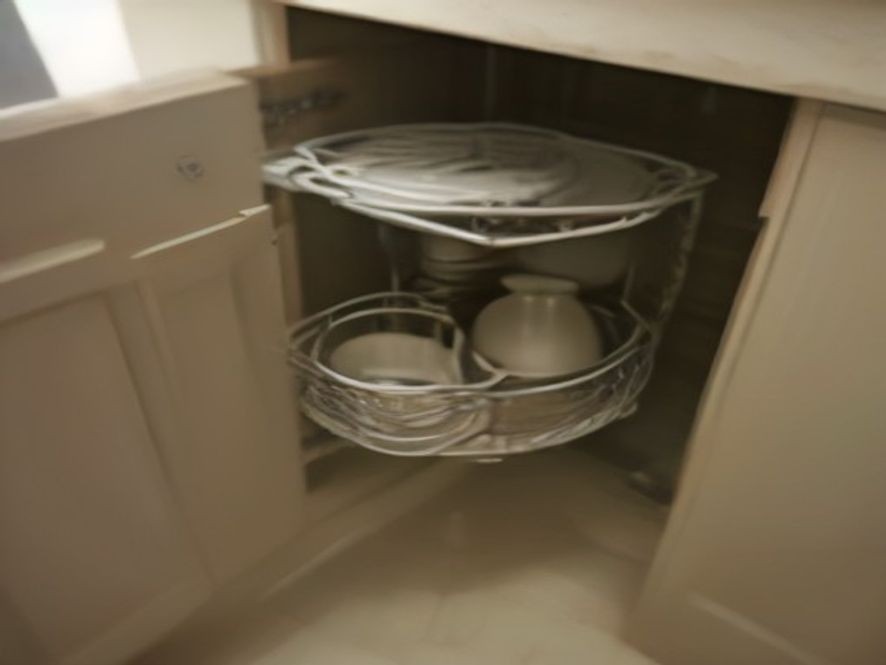
Deep base cabinets are the black holes where appliances go to die. Pull-out shelves solve this by sliding the appliance forward so you can actually see and reach it without kneeling or digging .
Best for: Stand mixers, air fryers, pressure cookers, food processors, rice cookers—anything heavy or bulky .
Ergonomic tip: Heavy appliances belong between knee and elbow height. Never store heavy items on high shelves—it’s a back injury waiting to happen .
Renter-friendly: Some slide-in systems can be added to existing cabinets with just a screwdriver, and adhesive pull-out drawers are also available .
3. Lift-Up Mixer Stand (For Stand Mixers)
This is the “James Bond” of appliance storage—a mechanism that lifts your stand mixer from the cabinet up to counter height with one push .
Why it works: It turns a “too heavy to bother” appliance into something you actually use on weeknights. Just make sure your cabinet framing is strong enough to handle the weight, and the mechanism is rated beyond the mixer’s weight .
4. Designate a Pantry Appliance Zone
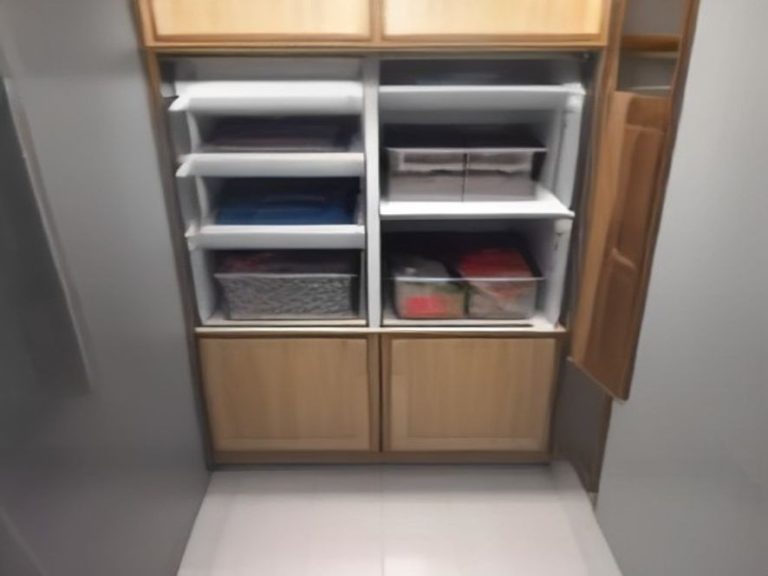
If you have a pantry, use a shelf or two exclusively for appliances. The middle shelves are best for weekly items, the lowest for heaviest pieces, and the upper shelves for light accessories or occasional-use appliances .
Bonus: If your pantry is near an outlet, you can even create a hidden coffee or smoothie station inside .
5. Vertical Dividers for Flat Appliances
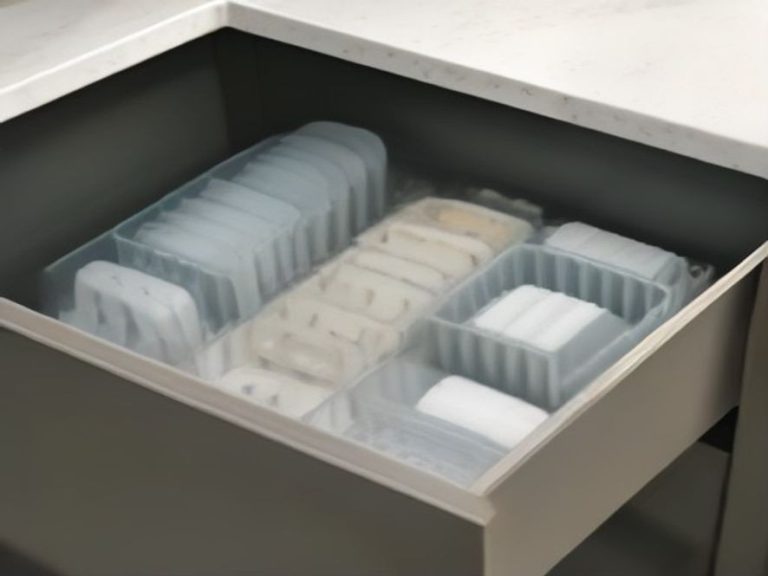
Waffle makers, panini presses, griddles, and pizza ovens take up a lot of shelf space when laid flat. Stand them upright between vertical dividers and suddenly they become organized and accessible .
Why it works: It’s the same concept as storing cutting boards or baking sheets upright—saves space and eliminates the “unstacking avalanche” .
6. Use the Inside of Cabinet Doors
Cabinet doors are often ignored storage real estate. Install slim racks, adhesive hooks, or small baskets on the inside to hold appliance accessories, coffee filters, or even a small blender .
Weight caution: Don’t overload hinges with heavy items—they weren’t designed to support much weight .
7. Magnetic Strips for Knives (Free Up Drawer Space)
A magnetic knife strip mounted on the wall or side of a cabinet frees up a full drawer that you can then dedicate to small appliances or utensils . Some magnetic strips can hold not just knives but also metal spice tins .
8. Rolling Carts (Flexible Storage)
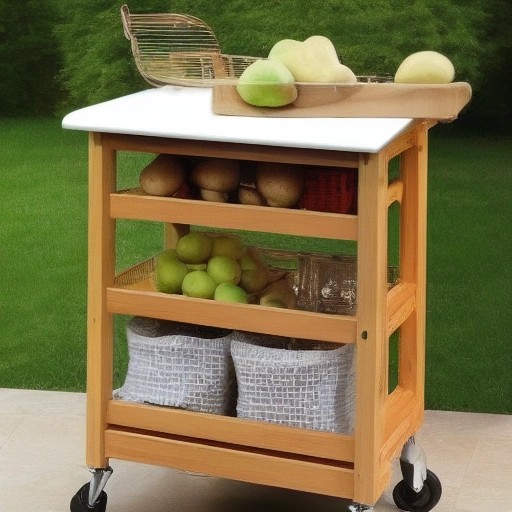
A rolling cart with a butcher block top and lower shelving acts like a mobile cabinet. Park it against a wall when not in use, wheel it over for extra prep space, and tuck it away when company arrives .
The payoff: Fixed islands are often too large for tiny kitchens, but a cart can adapt to your needs every day .
Quick Reference: Which Solution Fits Your Kitchen?
| Appliance Type | Best Storage Solution |
|---|---|
| Daily (coffee maker, toaster) | Counter or appliance garage |
| Weekly (blender, food processor) | Pull-out shelf in base cabinet |
| Heavy (stand mixer) | Pull-out shelf or lift-up mixer stand |
| Occasional (slow cooker, specialty tools) | High shelf, pantry, or outside the kitchen |
| Flat (waffle maker, griddle) | Vertical dividers |
| Accessories (extra bowls, attachments) | Inside cabinet door or small basket |
| Knives | Magnetic strip on the wall |
Three Rules to Keep It Working
Rule 1: Never put heavy appliances on high shelves. Reaching overhead for a 10kg stand mixer is a safety hazard .
Rule 2: Don’t operate heat-producing appliances behind closed doors. Toasters, air fryers, and coffee machines need ventilation. Open the door fully before running anything hot .
Rule 3: Apply the one-in, one-out rule. When a new appliance comes in, commit to donating or retiring one. This keeps the number of gadgets in check and ensures your cabinets aren’t bursting at the seams .
Frequently Asked Questions
What is an appliance garage?
It’s a cabinet on your countertop with a roll-up or folding door where you keep daily-use appliances hidden but accessible. Do not run heat-producing appliances with the door closed—ventilation is essential .
What’s the best way to store heavy appliances in a tiny kitchen?
Use a pull-out shelf in a base cabinet or a lift-up mixer stand. Heavy items belong below counter height (between knee and elbow) so you’re not reaching overhead or straining your back .
Can I store appliances plugged-in inside cabinets?
Yes, but only if the cabinet has proper ventilation. The U.S. Consumer Product Safety Commission advises unplugging appliances when not in use for safety . Do not operate heat-producing appliances inside a closed cabinet .
What if I’m a renter and can’t install permanent storage?
Use a rolling cart, adhesive pull-out shelves, over-the-door organizers, or a freestanding hutch. Most of these require no drilling and can move with you .
References
Smart Solutions for Small Appliance Storage:
- BambRise – Small Kitchen Ideas With Hidden Appliance Storage
- Sundayflat – Small Appliance Storage Ideas
- Coohom – How to Store Small Kitchen Appliances Efficiently
- IdeaKitchins – 10 Countertop Appliance Storage Hacks
- Home as We Make It – 17 Ways to Add Storage to a Tiny Kitchen
A tiny kitchen doesn’t have to mean a cluttered one. By sorting your appliances by frequency, using pull-out shelves and vertical storage, and keeping heavy items at waist height, you can reclaim your counter and actually enjoy cooking again.
Which kitchen problem do you want solved next? Share your thoughts in the comments.