AI Kitchen Gadgets: What Is Useful and What Is Just a Gimmick?
That shiny new kitchen robot on your feed might look impressive, but not every smart gadget actually makes cooking easier or better.
You’ve seen them everywhere—AI-powered ovens that scan your food, robot chefs that cook entire meals, and smart fridges that track your groceries. Some sound like science fiction, others seem genuinely helpful. But when you’re spending your hard-earned money, how do you tell the difference between a game-changer and an expensive dust collector?
Let’s cut through the hype and figure out which AI kitchen gadgets actually deliver value and which ones are just clever marketing.
TL;DR
Useful AI kitchen gadgets solve real problems: they save time, improve cooking results, or reduce waste. Smart ovens with built-in probes, multi-functional cookers, and wireless thermometers consistently earn their counter space. Gimmicks usually do one thing poorly, require too much effort to use, or replace tools you already own. The best rule? If a gadget replaces multiple tools or solves a problem you actually have, it’s worth considering. If it does one niche task that a knife can handle, skip it.
Key Takeaways
- Multi-functional tools beat single-purpose gadgets every time—smart ovens that air fry, bake, and steam replace multiple appliances
- AI is only useful when it solves a real problem—temperature probes that prevent overcooking are helpful; AI that generates untested recipes is questionable
- The “human in the loop” factor matters—some smart gadgets demand more attention than traditional cooking
- Robotic chefs cost $1,500+ and still need your involvement—they’re not replacing home cooks yet
- Steam ovens and precision cookers offer genuine benefits—better nutrition, moisture retention, and consistent results
The Real Causes Behind Kitchen Gadget Buyer’s Remorse
Why do so many smart kitchen gadgets end up in drawers or donation piles? The answer is simple: they don’t fit how people actually cook.
The Single-Use Trap
Professional kitchens don’t use avocado slicers, pineapple corers, or dedicated banana cutters. They use chef’s knives. Why? Because a good knife does dozens of jobs, while a single-use tool does one thing and takes up precious drawer space . The same principle applies to AI gadgets.
“Professional kitchens are surprisingly minimalist when it comes to gadgets. Experienced chefs know that high-quality tools and time-tested techniques are usually more reliable than the latest kitchen gimmicks.”
The Learning Curve Problem
Some smart gadgets sound amazing on paper but demand too much from you. The Upliance 2.0 AI kitchen assistant, for example, can guide you through complex recipes step-by-step. But it requires your full attention throughout the cooking process—you can’t just walk away . If you’re busy, a gadget that demands constant supervision might not actually save you time.
Which AI Kitchen Gadgets Are Actually Useful?
Smart Ovens with Multiple Functions
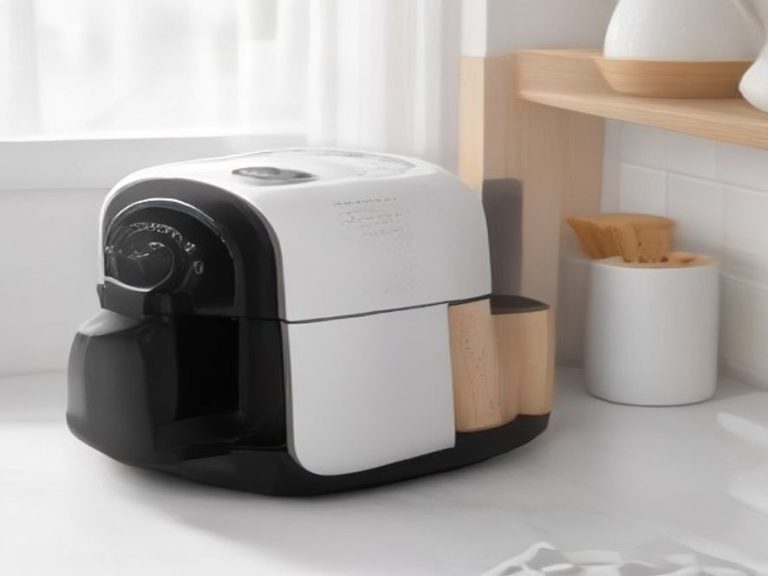
Smart ovens that combine multiple cooking methods have earned permanent spots in many kitchens. The Tovala Smart Oven Pro, for instance, bakes, air fries, steams, broils, toasts, and reheats. Its built-in scanner can recognize over a thousand grocery items and automatically set the right cooking time and temperature .
Why it works: It replaces several appliances (toaster, air fryer, steamer) and removes guesswork. One user reported it replaced nearly every other appliance in their kitchen .
The Breville Smart Oven Air Fryer is another strong contender with 11 cooking modes, including toast, roast, broil, pizza, reheat, air fry, slow cook, and bake .
Bottom line: Smart ovens are useful when they genuinely replace multiple tools and make cooking more convenient.
Wireless Temperature Probes
MEATER and similar wireless thermometers take the guesswork out of cooking meat. These probes connect to your phone via app and tell you exactly when your food reaches the right internal temperature. Some even estimate how long you need to cook and rest your meat .
Why it works: Perfectly cooked meat every time, no more cutting into chicken to check if it’s done. The cost is reasonable (around $129), and the value is obvious .
Precision Cookers and Steam Ovens
Steam ovens are gaining popularity for good reason. They retain more nutrients and minerals than traditional ovens, and food stays moist and flavorful . Steam ovens produce better biscuits—crisp and flaky outside, soft inside—while keeping chicken breast moist throughout .
Why it works: The health and flavor benefits are real, and the technology has been proven in commercial kitchens.
Vacuum Sealers
While not “AI” in the flashy sense, vacuum sealers with smart features can be incredibly useful. They extend food freshness, reduce waste, and make sous vide cooking possible. One analysis found that a $150 vacuum sealer expected to last 7 years could save $200 per year in prevented freezer spoilage—a ROI multiplier of about 9.5 .
Why it works: It solves a real problem (food waste) and pays for itself quickly if you batch cook or buy meat in bulk.
Multi-Cookers (Instant Pot and Similar)
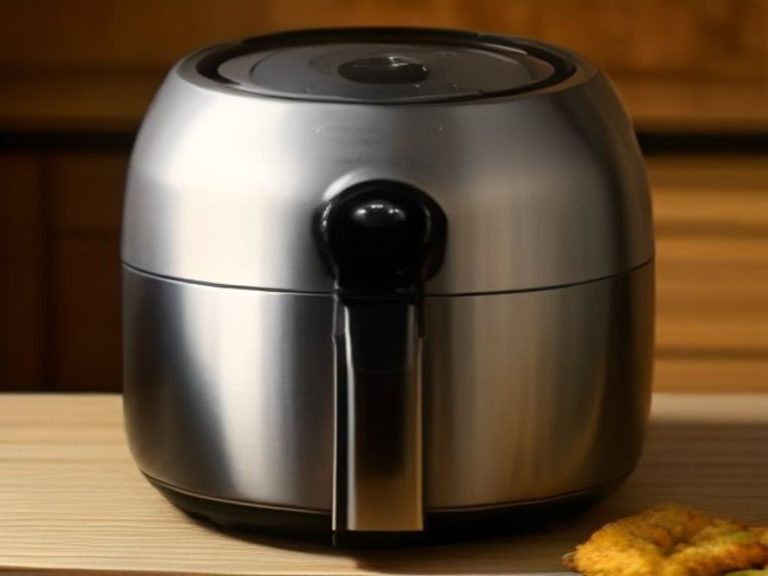
Programmable pressure cookers like the Instant Pot Duo Plus combine nine functions—pressure cook, slow cook, sauté, steam, and even make yogurt . They replace hours of braising with 30-60 minute meals and save storage space by replacing multiple appliances .
Why it works: Huge time savings, low energy use, and they genuinely simplify cooking.
Which AI Kitchen Gadgets Are Gimmicks?
Robotic Chefs
Robotic chefs like the Nosh One and Posha promise to cook meals autonomously. You load ingredients, select a recipe, and the robot adds ingredients, stirs, and adjusts heat on its own .
The catch: They cost $1,500, require regular maintenance, and still need you to prep ingredients . Early reviews of similar robots like Upliance 2.0 found that while the food turned out well, the device demanded constant attention during cooking—not the hands-off experience promised .
Bottom line: At this price point and with current limitations, these are more proof-of-concept than practical kitchen tools for most home cooks.
AI Recipe Generators from Leftovers
The Kitchen Cosmo, an MIT prototype, uses AI to identify ingredients you have and generate recipes based on your mood and skill level . It’s a clever, playful design with dials and switches that feels retro-futuristic.
The catch: The AI-generated recipes aren’t verified for taste, safety, or accuracy. The system relies on OpenAI’s GPT-4o, which means it’s prone to the same errors as ChatGPT—it might suggest unsafe cooking methods or strange combinations .
Bottom line: A fun concept, but not ready for serious cooking. Plus, most people can look at leftovers and figure out a meal without a $200 appliance.
Smart Ovens with Flashy but Unreliable Features
The Sharp Smart Convection Wall Oven with Microwave Drawer includes Alexa support, a 7-inch touch display, and 150 voice commands . Sounds impressive, right? In practice, the reviewer noted:
- Some features “feel like gimmicks”
- The touch display is slow
- Getting Alexa set up was a pain and required an Echo device—functionality wasn’t built in
- After initial testing, they mostly disregarded the smart features
Bottom line: If the smart features don’t actually improve cooking, you’re paying extra for novelty.
Specialty Coffee Machines
High-end espresso machines can cost thousands and require significant maintenance. For casual coffee drinkers, a classic drip coffee maker or single-serve brewer provides consistently good coffee without the hassle .
Bottom line: Great for enthusiasts, overkill for everyone else.
Single-Use Gadgets (AI or Not)
Spiralizers, dedicated waffle makers, electric can openers, and various slicers (banana, avocado, tomato) all fall into the “gimmick” category for most home cooks . Even with “smart” features, these gadgets do one job that a knife or standard tool can handle.
The 20-use rule: If you won’t use a gadget at least 20 times a year, consider whether it’s worth the space and cost .
Comparison Table: Useful vs Gimmick AI Kitchen Gadgets
| Gadget Type | Purpose | Effectiveness | Difficulty | Cost |
|---|---|---|---|---|
| Smart Oven (Tovala, Breville) | Multi-function cooking (bake, air fry, steam, toast) | High—replaces multiple appliances | Easy | $300–$400 |
| Wireless Temp Probe (MEATER) | Monitor internal meat temperature via app | High—eliminates guesswork | Easy | ~$130 |
| Steam Oven | Moisture-retaining healthy cooking | High—better nutrition and texture | Easy | $1,700+ |
| Multi-Cooker (Instant Pot) | Pressure cook, slow cook, sauté, steam | High—versatile and time-saving | Easy | $100–$200 |
| Vacuum Sealer | Extend freshness, prevent freezer burn | High—reduces waste | Medium | $50–$200 |
| Robotic Chef (Nosh One, Posha) | Autonomous cooking from ingredients | Low—pricey, needs attention | Medium | $1,500 |
| AI Recipe Generator (Kitchen Cosmo) | Create recipes from leftovers | Low—untested outputs, prototype | Easy | Unknown/Prototype |
| Smart Oven with Alexa (Sharp) | Voice control, touch display | Low—slow, gimmicky features | Medium/Hard | Premium price |
| Pasta/Bread Machines | Automated dough and pasta making | Low—large, rarely used | Medium | $100–$300 |
How to Spot a Kitchen Tech Gimmick
Before buying any AI kitchen gadget, ask yourself these questions:
1. Does it solve a problem you actually have? If you’re fine with your current toaster, you don’t need a smart toaster.
2. Can a standard tool do the same job? A chef’s knife handles most cutting tasks better than single-use slicers.
3. Will you use it at least 20 times a year? If not, it’s clutter .
4. Does the AI add real value or just novelty? A temperature probe that tells you when meat is done is genuinely useful. An AI that suggests recipes based on your mood might be fun, but is it practical?
5. What do professional kitchens use? If chefs don’t use it, you probably don’t need it either .
FAQ Section
What kitchen gadgets are worth the money?
Smart ovens that air fry, bake, and steam, wireless temperature probes, and multi-cookers like Instant Pot provide genuine value by replacing multiple appliances and saving time .
Are robotic chefs worth $1,500?
Not yet. Current models still need your involvement, have limitations, and cost more than a nice conventional oven .
Is an AI oven better than a regular one?
It depends. Smart ovens with built-in probes and scan features remove guesswork. But if smart features are slow or unreliable, they’re not worth the premium .
What kitchen gadgets are a waste of money?
Single-use gadgets (specialty slicers, dedicated waffle makers), expensive espresso machines for casual users, and most “automatic” pasta or bread makers that you’ll rarely use .
How can I tell if a gadget is useful or a gimmick?
Ask: Does it solve a real problem? Will I use it often? Can a standard tool do the same thing? Professional kitchens don’t use most novelty gadgets for good reason .
Is the Tovala oven worth it?
For many users, yes. It replaces several appliances, includes a scan feature that automatically sets cooking times, and works well for busy people who want consistent results .
Before You Go
The best AI kitchen gadgets are the ones that solve real problems without creating new ones. A smart oven that replaces your toaster, air fryer, and steamer is a solid investment. A robot chef that costs $1,500 and still requires you to chop vegetables and hover nearby? Not so much.
Stick to tools that save time, improve results, or reduce waste. And remember: no gadget can replace good cooking skills—but the right one can make you a better, more confident home cook.
Which AI kitchen gadget have you been curious about? Share your thoughts in the comments.
Explore More Kitchen Tech Reviews and Cooking Solutions: