Protect Yourself: The Best Guide to Kitchen Tools and Gadgets for Safer Everyday Cooking
That moment you brace yourself for a splatter of hot oil or wince as your knife slips on a wobbly cutting board can turn cooking from a joy into a nerve-wracking experience.
You want to cook confidently, but the risk of burns, cuts, and kitchen fires can be a real concern. This guide will help you solve the problem of kitchen accidents by showing you the best way to choose tools and gadgets that make everyday cooking safer—saving you from injuries, stress, and the aftermath of a kitchen mishap.
TL;DR
- Prevent cuts with the right tools: Use a non-slip mat under your cutting board, cut-resistant gloves for tricky slicing, and proper knife storage to avoid accidental nicks .
- Stop burns before they happen: A splatter screen, heat-resistant silicone oven mitts, and oven rack shields protect your skin from hot oil and searing-hot oven racks .
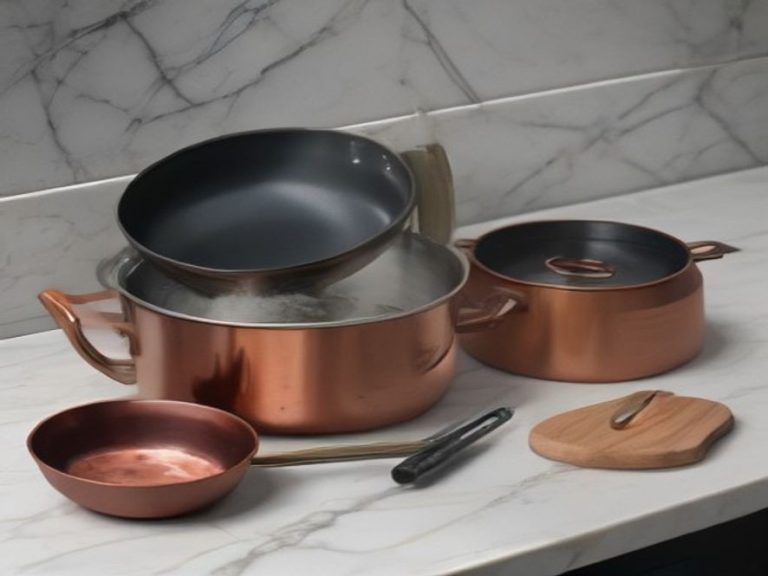
- Choose safer cookware: High-quality stainless steel cookware is durable, free from harmful chemicals like PFAS, and scratch-resistant, making it one of the safest choices for everyday use .
- Be ready for emergencies: Keep a fire blanket and working smoke detectors within reach to handle unexpected grease fires or other kitchen emergencies .
Key Takeaways
- Stability prevents slips: A simple silicone baking mat placed under your cutting board stops it from sliding, which is a common cause of knife slips and cuts .
- Hand protection is non-negotiable: Cut-resistant gloves protect your fingers during delicate tasks like mandoline slicing, and extra-long silicone oven mitts shield your forearms from burns when reaching into a hot oven .
- Material matters for health and safety: Opt for cookware without nonstick coatings that can chip or release harmful chemicals. Stainless steel is a safe, durable, and long-lasting option . Silicone utensils are heat-safe and won’t scratch your cookware .
- Know your fire safety tools: A fire blanket is a clean, effective alternative to a fire extinguisher for small grease fires . A splatter screen stops oil from escaping your pan and starting a fire .
The Most Important Safety Tools for Your Kitchen
1. Protection Against Cuts
Cuts are one of the most common kitchen injuries, but they are largely preventable with the right gear.
- Non-Slip Cutting Board Mat: A silicone baking mat under your cutting board is a simple, $5 fix that keeps your board from slipping. This prevents the knife from sliding unexpectedly and gives you more control over your cuts .
- Cut-Resistant Gloves: When using a sharp knife or a mandoline slicer, these gloves are a lifesaver. They are made of food-safe material that is four times stronger than leather, and they can stop a knife from piercing your skin . One shopper noted they “completely stopped” a knife from cutting them when it slipped .
- Proper Knife Storage: Storing knives loose in a drawer is dangerous and can damage the blades. Simple edge guards for your knives protect both your fingers and your knives .
- Specialty Safety Tools: An avocado holder keeps the fruit steady so you are not slicing it in your hand, and a mandoline food holder keeps your fingers safely away from the blade .
2. Defense Against Burns and Splatters
Hot oil, steam, and searing-hot oven racks are a constant threat. These tools create a protective barrier between you and the heat.
- Splatter Screen: This is a must-have for frying or searing. It fits over your pan to stop hot oil from splattering onto your skin and stovetop. A silicone one is ideal because it is heat-resistant, won’t scratch your pans, and is easy to clean .
- Heat-Resistant Oven Mitts: Cloth mitts are not sufficient for handling hot cast iron or sheet pans. Silicone-lined mitts are heat-resistant and can handle high temperatures, keeping your hands safe from burns . Look for extra-long mitts that reach almost to your elbow to protect your forearms, which are also burn-prone .
- Oven Rack Shields: You can cover the hot edges of your oven racks with silicone guards. This means if your arm grazes the rack while you are pulling out a dish, you will touch heat-resistant silicone instead of a searing-hot metal grate .
- Cast Iron Handle Cover: A silicone handle cover that slips onto your cast iron skillet protects your hand from the scorching handle. Just remember to remove it before placing the pan in the oven .
3. Safer Cookware and Utensils
The materials you cook with and use to stir are just as important as the tools you use to protect yourself.
- Stainless Steel Cookware: This is one of the safest choices for everyday cooking. It is durable, does not have nonstick coatings that can chip, and does not contain harmful chemicals like PFAS . While there is a minimal risk of nickel or chromium leaching with high-heat acidic cooking, experts say this is not a serious concern for most people .
- Heat-Safe Silicone Utensils: Metal utensils can scratch nonstick pans and create surfaces for chemicals to leach. Silicone utensils like the “Supoon” (which acts as a spatula, spoon, and serving tool) are plastic-free, heat-safe up to 500°F, and gentle on all cookware .
- Food Thermometer: Cooking meat, poultry, and seafood to a safe internal temperature is a critical part of kitchen safety. An instant-read thermometer removes the guesswork and prevents foodborne illness .
Comparison Table: Safety Tools for Your Kitchen
| Tool/Gadget | What It Does | Key Safety Benefit | Best For |
|---|---|---|---|
| Non-Slip Silicone Mat | Keeps cutting board in place | Prevents knife slips and accidents | All food prep |
| Cut-Resistant Gloves | Protects hands from sharp blades | Stops knife from piercing skin | Mandoline use, tricky cuts |
| Splatter Screen | Covers frying pans | Prevents hot oil burns and stove fires | Frying, searing, bacon |
| Silicone Oven Mitts | Protects hands and forearms | High heat resistance, prevents burns | Removing hot pans from oven |
| Oven Rack Shields | Covers hot rack edges | Prevents accidental arm burns | All oven use |
| Fire Blanket | Smothers small fires | Clean, effective alternative to extinguishers | Grease and oil fires |
| Stainless Steel Cookware | Durable cooking surface | No harmful chemicals, scratch-resistant | Everyday cooking |
| Knife Edge Guards | Covers knife blades | Prevents cuts from loose knives in drawers | Knife storage |
“Avoid burns from the rack you’re reaching for with oven mitts. In the moment, avoiding unintentional burns from other racks is not as simple. Cover the racks in your oven, air fryer, or toaster oven with these heat-resistant silicone guards, and never look back” .
FAQ: Solving Your Kitchen Safety Questions
What is the most common kitchen injury?
Cuts and burns are the most common. Using non-slip mats, cut-resistant gloves, and proper oven mitts can significantly reduce your risk .
Are stainless steel pans safe to cook with daily?
Yes. High-quality stainless steel is generally very safe. It is durable and does not have nonstick coatings, which makes it one of the safest cookware choices .
What is the best way to stop a small grease fire?
Do not use water. Smother the fire with a lid or use a fire blanket. A fire blanket is a clean, effective tool that is easier to use than a fire extinguisher for small kitchen fires .
How can I safely use a mandoline slicer?
Always use the safety guard that comes with it. For extra protection, wear a cut-resistant glove on the hand holding the food .
How often should I replace kitchen safety tools?
Replace worn-out oven mitts, scratched nonstick pans, and expired fire extinguishers. A fire blanket does not expire and can be reused if it is not damaged .
What kitchen tool is most underrated for safety?
High-quality kitchen shears are a simple tool that can help with safe food prep, and an immersion blender helps you blend hot soups safely without transferring them to a blender .
Which kitchen safety problem do you want solved next? Share your thoughts in the comments.
References
Essential Guide to Kitchen Safety: Expert-Recommended Tools for Burns, Cuts, and Fire Prevention