Kitchen Tools and Gadgets for Induction Cooktops: Your Complete Guide to Compatible Cooking
You just bought a sleek new induction cooktop, only to discover that half your pots and pans don’t work on it—and suddenly cooking dinner feels like a chemistry experiment gone wrong.
TL;DR
Induction cooktops need cookware with a magnetic base. Cast iron, stainless steel, and carbon steel work great; aluminum, copper, and glass don’t. Special tools like heat diffusers let you use non-compatible pans, and silicone protector mats prevent scratches on the glass surface. Flat-bottomed woks and non-metal utensils are essential for getting the most out of your induction cooking experience.
Key Takeaways
- The magnet test is your best friend—if a magnet sticks to the bottom, it’s induction-compatible
- Cast iron, stainless steel, and carbon steel are the go-to materials for induction cooking
- Heat diffusers let you use aluminum or copper pans by sitting between the cooktop and the pan
- Silicone protector mats guard against scratches from heavy cast iron and other cookware
- Flat-bottom woks work best—traditional round-bottom woks won’t make proper contact with the surface
Understanding Induction Compatibility
An induction cooktop doesn’t use traditional heating elements. Instead, it creates a magnetic field that heats the pan directly—not the cooktop surface . This makes induction cooking fast and energy-efficient, but it also means your cookware needs to be magnetic to work.
The Simple Magnet Test
To check if your current cookware will work on your induction cooktop, hold a magnet to the bottom. If it sticks firmly, you’re good to go. If it doesn’t stick, the pan won’t work on induction .
Think of it this way: Induction is picky about its cooking partners. It only likes magnetic friends.
Materials That Work
The following materials are compatible with induction cooktops :
- Cast iron — excellent heat retention, perfect for searing
- Carbon steel — great for stir-frying and high-heat cooking
- Stainless steel — durable and easy to clean (but check if it’s magnetic)
- Enameled steel — works well with a flat base
Materials That Don’t Work
These materials won’t work on induction because they lack magnetic properties :
- Aluminum (unless it has a magnetic base layer)
- Copper (unless it has a magnetic base layer)
- Glass
- Ceramic
- Porcelain
Essential Induction-Safe Tools and Gadgets
Flat-Bottomed Wok
Traditional woks have rounded bottoms, which don’t make proper contact with an induction cooktop’s flat surface . A flat-bottomed wok solves this problem, providing maximum contact for even heating and efficient stir-frying.
Carbon steel woks with flat bottoms, like the Craft Wok or YOSUKATA models, are specifically designed for induction cooktops . Many come pre-seasoned and ready to use—just rinse and start cooking.
Induction Interface Disk (Heat Diffuser)
This clever gadget is a flat, magnetic disk that sits between your induction cooktop and non-compatible cookware . It transfers heat from the cooktop to the pan, allowing you to use your favorite aluminum or copper pots on induction.
Perfect for:
- Moka pots and espresso makers
- Small saucepans
- Non-magnetic cookware you want to keep using
- Delicate simmering that needs gentle, even heat
The Grourarty induction adapter plate, for example, distributes heat evenly, prevents hot spots, and is dishwasher-safe .
Silicone Cookware Protectors
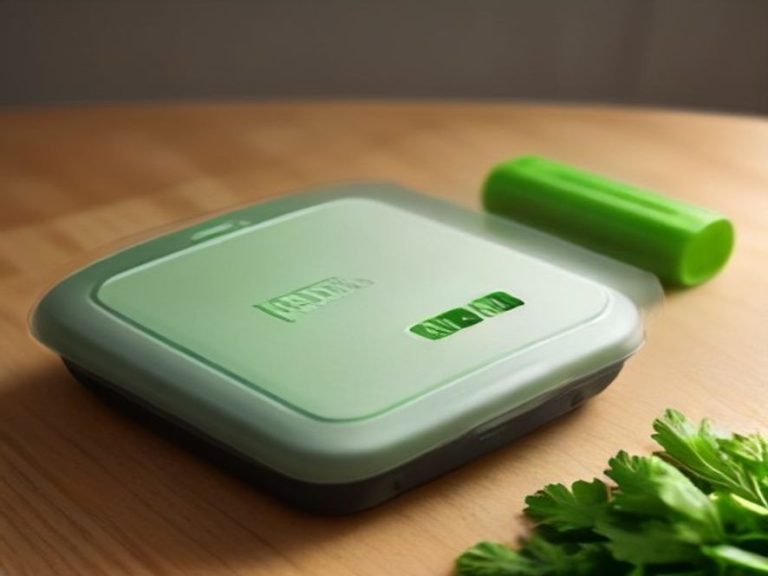
Induction cooktops have glass surfaces that can scratch easily, especially with heavy cast iron or rough-bottomed pans . Silicone protector mats sit between your cookware and the cooktop, guarding against scratches and spills.
Benefits include:
- Prevent scratches from heavy cast iron
- Keep pots from sliding during cooking
- Catch spills and make cleanup easier
- Some models change color when hot (thermochromic) to prevent burns
One reviewer noted these protectors are “great” and “save your induction cook top from scratches” while “keeping the pot/pan from moving on the burner” .
Cast Iron Skillet
A cast iron skillet is already induction-compatible and perfect for high-heat cooking like searing steaks, frying, and baking . Its magnetic properties make it naturally compatible with induction.
Important: Don’t slide cast iron across the cooktop surface—the rough bottom can scratch the glass. Always lift and place it gently .
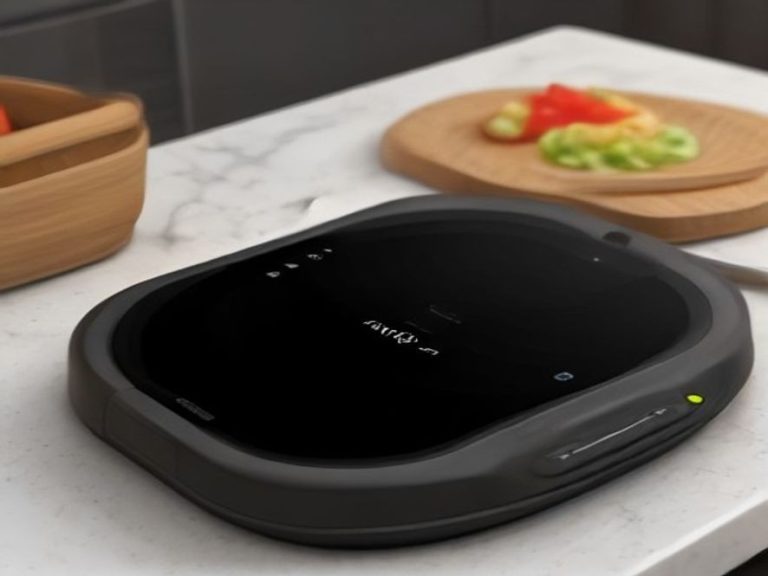
Induction-Safe Griddle
A flat, induction-compatible griddle lets you cook multiple items at once, from pancakes to grilled sandwiches . The key is making sure it’s flat and fully compatible for even heating across the surface.
Non-Metal Cooking Utensils
Metal utensils can scratch the glass surface of an induction cooktop. Silicone, wood, or heat-resistant plastic utensils are gentler on the surface while still handling high temperatures . Plus, they’re easy to clean and won’t damage your cookware either.
Comparison Table: Induction Tools and Gadgets
| Tool | Purpose | Compatibility | Key Benefit | Dishwasher-Safe? |
|---|---|---|---|---|
| Flat-bottom carbon steel wok | Stir-frying, high-heat cooking | Induction-compatible | Even heat distribution | No (hand wash and season) |
| Induction heat diffuser | Using non-magnetic cookware | Acts as an interface | Saves existing pots | Usually yes |
| Silicone protector mat | Surface protection | Induction-safe | Prevents scratches | Wipe clean |
| Cast iron skillet | Searing, frying, baking | Naturally compatible | Excellent heat retention | No (hand wash) |
| Induction-compatible griddle | Breakfast cooking, grilling | Must be magnetic | Cook multiple items | Check label |
What to Look For When Buying
A Completely Flat Base
Induction cooking zones require flat-bottomed cookware for maximum contact and efficiency . If the base is warped or uneven, the cooktop won’t transfer heat effectively.
Quality Materials
Invest in well-made cookware with thick, solid bases. Cheaper pans with “sandwich” bases may not heat evenly and can sometimes make noise (squeals or clicks) due to unequal expansion .
Proper Size
The cookware diameter should match your induction zone size. Too small, and it won’t receive full power. Too large, and it might affect the control panel or hob functions .
Clear Labeling
Look for cookware specifically labeled “induction-compatible” or bearing the induction symbol. This saves you from the magnet test later.
Care and Maintenance Tips
For your cooktop:
- Always lift pans rather than sliding them
- Use silicone protector mats to prevent scratches
- Clean spills promptly to avoid baked-on residue
For your cookware:
- Season cast iron and carbon steel regularly
- Hand-wash cast iron and carbon steel—they shouldn’t go in the dishwasher
- Dry thoroughly to prevent rust
FAQ: Induction Cooktop Tools and Gadgets
How do I know if my pans work on induction?
Hold a magnet to the bottom. If it sticks firmly, the pan is induction-compatible .
Can I use aluminum or copper on induction?
Only if they have a magnetic base layer. Most aluminum and copper pans won’t work unless specifically made for induction .
What does a heat diffuser do?
It sits between your cooktop and non-compatible pans, allowing you to use them on induction. It transfers heat evenly and helps prevent scorching .
Why do some cast iron pans scratch induction cooktops?
Cast iron with rough or unfinished bottoms can scratch the glass surface. Using a silicone protector mat prevents this .
Do I need special utensils for induction cooking?
Not specifically, but silicone or wood utensils are gentler on the glass surface than metal ones .
Final Thoughts
Cooking on an induction cooktop is fast, precise, and energy-efficient—but only with the right tools. The good news is that once you understand what works, you can build a toolkit that gets the most out of your cooktop. Start with a magnet test on your current pans, invest in a flat-bottomed wok and some silicone protectors, and consider a heat diffuser if you have favorite non-magnetic cookware you can’t bear to part with.
The right tools make induction cooking not just possible, but genuinely enjoyable.
Do you have a favorite pan that won’t work on induction? Tell me about it in the comments!
Trusted Resources for Induction Cooktop Tools and Compatibility: