Kitchen Tool and Gadget Buying Mistakes to Avoid
Falling for trendy gadgets and cheap deals leads to wasted money and cluttered drawers—here’s what to watch out for and how to make smarter choices.
TL;DR
The biggest kitchen buying mistakes include buying single-use gadgets you rarely need, choosing cheap appliances that break quickly, and skipping versatile basics that actually get used. Before buying, ask yourself: Does a tool I already own do the same job? Will I use this at least once a week? Is it built to last? A $150 chef’s knife you use daily beats a $10 bargain tool that sits untouched. Focus on versatile, quality essentials and avoid specialty gadgets that sound cool but collect dust.
Key Takeaways
- Single-use gadgets are the biggest waste of money—avocado slicers, egg cookers, and specialty tools often get used once and ignored
- Cheap appliances break quickly—stand mixers with plastic gears and cheap blenders overheat and fail within months
- A chef’s knife is your most important investment—a sharp knife is safer and performs better than a dull one
- Multi-purpose tools earn their space—fish spatulas, Microplanes, and digital scales get used daily
- Skip full knife sets—you really only use three to four knives regularly
The Biggest Buying Mistakes Home Cooks Make
Mistake #1: Falling for Single-Use Gadgets
When Real Simple asked three chefs to name one kitchen gadget they would never buy, they all picked the same item: the avocado slicer . A simple knife and spoon do the job just as quickly—and with more control.
The same goes for specialized slicers and cookers. Readers reported regretting purchases like:
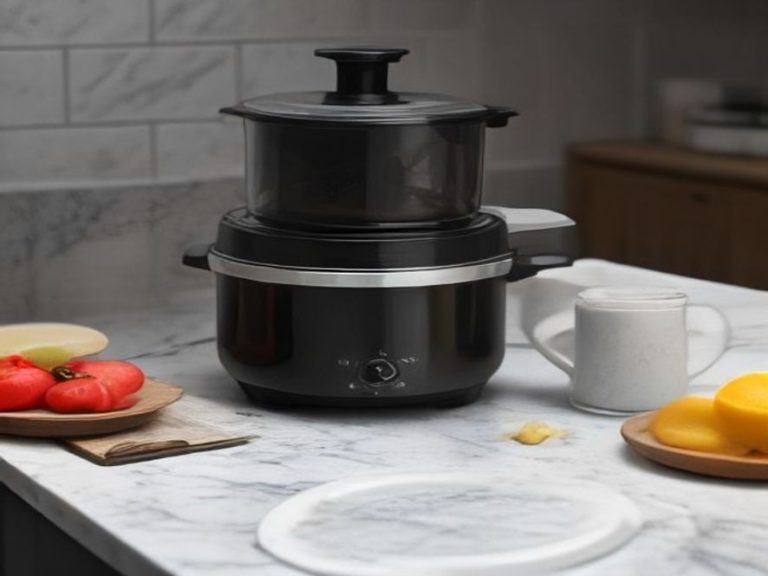
- Vacuum marinating boxes—a pain to set up, no better than a plastic bag
- Microwave omelette makers—produced leathery results
- Egg cookers—convenient but made horrible screeching noises
- Waffle makers, pasta rollers, apple corers—used once, then stored forever
Why it’s a mistake: These gadgets seem useful in the store but don’t actually save meaningful time. “If it only saves a few seconds and then you have to wash another tool, it’s not worth having” .
The fix: Before buying, ask: “Will I use this at least once a week?” If not, skip it .
Mistake #2: Buying Cheap, Low-Quality Appliances
“It doesn’t matter if you are a baker or a holiday seasonal cook; one appliance you will want to invest in is a stand mixer,” says appliance expert Matthew Morrison. “Cheap stand mixers will struggle with torque, overheat, and burn out quickly due to the weak motors, plastic gears” .
The same goes for blenders. “Cheaper models can strain the motor, resulting in overheating and inconsistent blending” . If you make smoothies regularly, a quality blender is worth the money.
Why it’s a mistake: Cheap tools break sooner, so you end up buying twice—spending more in the long run.
The fix: Invest in quality for tools you use frequently. For occasional use, cheaper may be fine.
Mistake #3: Not Reading the Fine Print (Size Matters)
One man thought he’d scored a bargain on a Joseph Joseph utensil set for £10—until his wife realized they were actually toy utensils . They were 5 inches long instead of the adult 12-inch version.
Online reviewers also complain about misleading product descriptions:
- Funnel sets with incorrect spout measurements—too large for their intended containers
- Sets that don’t match the advertised sizes or features
- Products that corrode or break after one use
Why it’s a mistake: You waste money on tools that don’t fit your needs or are poorly made.
The fix: Always check dimensions and read reviews—especially the one-star reviews for honest feedback.
Mistake #4: Buying Full Knife Sets
“Only use three to four, and the rest sit in the knife block,” one reader admitted about their knife set purchase . Chef’s agree: you don’t need a block of 16 knives. A chef’s knife, a paring knife, and a serrated bread knife cover 95% of tasks .
Why it’s a mistake: You pay for knives you’ll never use and waste counter or drawer space.
The fix: Buy individual knives based on what you actually need. Start with one quality chef’s knife.
Mistake #5: Buying Gadgets That Duplicate What You Already Own
“Before I buy any kitchen gadget, I ask myself if a tool I already have can do the same thing,” says home chef Marissa Stevens. “I don’t own a lot of gadgets, because the answer is usually ‘yes'” .
Duplicates are everywhere in kitchens—multiple spatulas, measuring cups, garlic presses, peelers. They take up space without adding value.
Why it’s a mistake: You’re filling your kitchen with tools you don’t need.
The fix: Take inventory of what you already have before buying anything new.
Mistake #6: Buying for “One Special Occasion”
“I want something that I use at least once a week, or that has multiple uses,” says chef Katie Vine. “If it’s just a specialty tool for one special occasion dish, it’s not worth it” .
Examples of this trap: turkey basters, ravioli makers, Spätzle makers, sous vide machines .
Why it’s a mistake: You spend money on something that sits in a cabinet for 364 days a year.
The fix: Ask: “Do I cook this dish often enough to justify the space and cost?”
Comparison Table: Smart Buys vs. Common Mistakes
| Smart Buy | Mistake to Avoid | Why |
|---|---|---|
| Quality chef’s knife | Full knife set | You only use 3-4 knives; rest collect dust |
| Microplane zester | Garlic press, box grater | Microplane does garlic, ginger, citrus, cheese—all in one |
| Fish spatula | Specialty flippers | One spatula flips fish, eggs, pancakes, cookies, veggies |
| Digital kitchen scale | Multiple measuring cups | Scale is more accurate and replaces 5+ tools |
| Quality blender | Cheap grocery store blender | Cheap ones overheat and break; quality lasts |
| Multi-purpose tools | Avocado slicer, egg cooker | Single-use gadgets rarely earn their space |
What Professional Chefs Recommend Instead
Invest in Versatile Basics
Chefs consistently recommend:
- A sharp 8-inch chef’s knife—”A sharp knife is safer to use, and it impacts the flavor and quality of anything it touches”
- Fish spatula—thin enough to flip delicate foods, versatile enough for everything
- Microplane—zests citrus, grates cheese, minces garlic and ginger
- Digital kitchen scale—more accurate than measuring cups
- Instant-read thermometer—ensures food is properly and safely cooked
Buy For Quality, Not for Quantity
“I always tell beginner cooks to buy fewer, but better tools,” says executive chef Antimo DiMeo. “You don’t need a kitchen full of gadgets, but you need tools that make you more confident” .
Smart Buyer’s Checklist
Before buying any kitchen tool, run through this checklist:
- Does a tool I already own do the same job? If yes, skip it .
- Will I use this at least once a week? If not, it’s probably not worth the space .
- Is it a single-use gadget? If yes, consider if a knife or spoon can do the task instead .
- Is it built to last? Check for quality materials—stainless steel over cheap plastic, metal gears over plastic .
- Are the size and dimensions right for me? Read reviews carefully and check measurements .
FAQ Section
What’s the number one kitchen gadget chefs say to never buy?
The avocado slicer. All three chefs interviewed picked the same one—a simple knife and spoon do the job faster and with more control .
Why are cheap stand mixers a bad investment?
Cheap stand mixers have weak motors and plastic gears that overheat and burn out quickly. A quality mixer lasts for years .
Should I buy a full knife set?
No. Most home cooks only use three to four knives regularly—the rest sit in the block collecting dust .
What’s the most common kitchen buying mistake?
Buying single-use gadgets that look useful but rarely get used—egg cookers, waffle makers, specialized slicers .
How do I know if a kitchen gadget is worth buying?
Ask yourself: Does a tool I already own do the same job? Will I use this at least once a week? Does it save real time? If you answer no to most, skip it .
Is it worth spending more on kitchen appliances?
For tools you use frequently—like a blender or stand mixer—yes. Cheap ones break quickly or perform poorly .
References
Expert-Approved Guidance on Kitchen Gadget Buying Mistakes
- Real Simple – The Gadget Chefs Would Never Buy
- Yahoo – 20 Gadgets People Regret Buying
- The Takeout – Appliances Never to Buy Cheap
- Yahoo – Chefs’ Smartest Purchases for Beginners
- Yahoo – 7 Kitchen Appliances Chefs Say Are a Waste
- Wirecutter – Staff-Favorite Kitchen Tools
Which kitchen gadget did you buy and immediately regret? Share your story in the comments—it might save someone else the same mistake!