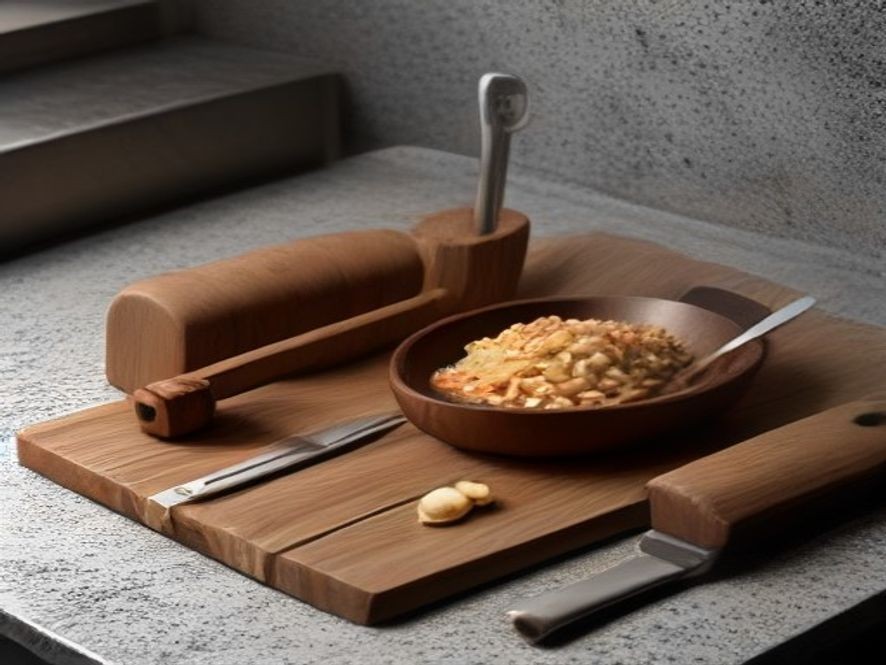
Wooden vs Stainless Steel Cooking Utensils: Pros and Cons for Your Kitchen
That frustrating moment when you’re stirring a hot sauce and your metal spoon gets so hot you almost drop it—or when your favorite wooden spoon starts looking stained and rough.
If you’re staring at your utensil drawer wondering which material is actually better, you’re not alone. The best way to fix this confusion is understanding that both wooden and stainless steel utensils have real strengths and real weaknesses. This guide breaks down the pros and cons so you can choose what works best for your cooking style.
TL;DR
Wooden utensils are gentle on all cookware, comfortable to hold, and won’t scratch nonstick surfaces. They stay cool while cooking but require careful hand washing and thorough drying. Stainless steel utensils are incredibly durable, heat-resistant, and easy to clean—but they can scratch pans and aren’t suitable for nonstick cookware. Most home kitchens benefit from having both: wood for delicate work and nonstick, steel for heavy-duty tasks.
Key Takeaways
- Wooden utensils won’t scratch any cookware and stay cool in your hand, making them great for long stirring sessions .
- Stainless steel utensils are nearly indestructible and resist corrosion, but they can scratch nonstick pans and some stainless steel surfaces .
- Wood has natural antimicrobial properties that actually help kill bacteria when the utensil is properly dried .
- Proper drying is critical for wooden utensils—they need at least 24 hours with good airflow to stay safe and last longer .
- Stainless steel quality varies significantly. Look for 18/10 or 18/8 grades for the best durability and rust resistance .
- Acidic foods can cause minor metal leaching with stainless steel and can stain wooden tools .
Wooden Utensils: The Time-Tested Classic
Wooden spoons have been around for centuries, and there’s a good reason chefs still love them. They’re comfortable, gentle, and reliable.
The Strengths of Wood
Gentle on all cookware. This is the biggest advantage of wooden utensils. Whether you’re using nonstick, cast iron, stainless steel, or copper, wood won’t scratch or damage the surface .
Heat resistance without heat transfer. Wood is a poor conductor of heat, so the handle stays cool even when the utensil rests in a hot pot . This is a huge comfort advantage when you’re stirring risotto or a thick stew for a long time.
Natural antimicrobial properties. This surprises many people. According to food safety researcher Dr. Ben Chapman, wood’s porous structure actually works in its favor—capillary action pulls bacteria into the wood where they get “choked out” and can’t survive . “From a microbial standpoint, if we look at risk, we don’t have any examples of wooden utensils or cutting boards leading to foodborne illnesses,” he says .
Comfortable and ergonomic. Wood molds to your hand over time, making it more comfortable for extended stirring sessions . As one recipe developer puts it, “It melds to your hand better and can be more comfortable” .
Doesn’t react with acidic foods. Wood won’t chemically react with tomatoes, citrus, or vinegar, so your food’s flavor stays pure .
The Drawbacks of Wood
Requires careful maintenance. Wooden utensils need to be hand-washed and thoroughly dried after every use. They should never go in the dishwasher, which can cause warping, cracking, and splintering .
Long drying time. The main food safety concern is improper drying. Your wooden utensils need about 24 hours with good airflow to dry completely. If they don’t fully dry, bacteria can grow .
Can stain and absorb odors. Wood is porous, so it can absorb colors and smells from ingredients like tomato sauce, turmeric, and garlic . Many cooks keep one spoon for savory dishes and another for baking.
Needs replacement over time. If you notice splitting, cracking, or rough spots that don’t smooth out, it’s time to replace the utensil .
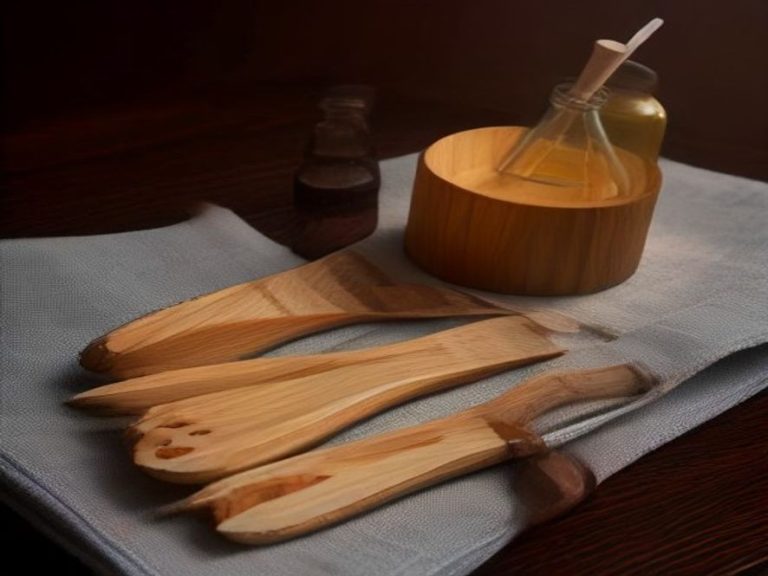
Pro tip for wood utensil care: Rub food-grade beeswax or mineral oil into your wooden spoons occasionally to help them last longer and resist stains .
Stainless Steel Utensils: The Modern Powerhouse
Stainless steel tools are durable, professional, and built to last. But they come with important caveats.
The Strengths of Stainless Steel
Extreme durability. High-quality stainless steel utensils can last for years, and even decades, without showing significant wear . Chef Helly Raichura notes that there’s “no risk of stainless steel tools accidentally melting in a busy kitchen” .
Heat resistant. Unlike nylon or plastic, steel can handle the highest cooking temperatures without any risk of melting or warping .
Easy to clean. Stainless steel is generally dishwasher-safe and doesn’t absorb stains or odors. Food slides off easily, making cleanup quick .
Great for deglazing and scraping. The sturdy edge of a metal spatula or spoon is perfect for scraping up flavorful browned bits from the bottom of a pan when making sauces .
Quality matters. Not all stainless steel is the same. Look for 18/10 or 18/8 grades, which contain 18% chromium and 10% or 8% nickel for the best rust resistance and durability . Lower-quality steel can stain and show wear over time .
The Drawbacks of Stainless Steel
Can scratch your cookware. This is the biggest drawback. Stainless steel utensils can scratch nonstick coatings, and over time, they can even leave marks on stainless steel pans . They’re not recommended for nonstick cookware at all .
Conducts heat. Unlike wood, steel conducts heat. If you leave a metal spoon resting in a hot pot, the handle will get hot and can burn your hand .
Can react with acidic foods. When cooking highly acidic foods like tomato sauce, small amounts of nickel or chromium can leach into the food. While studies suggest this is minimal and safe for most people, those with metal sensitivities should be more cautious .
May not be dishwasher-safe for all types. Some higher-end stainless steel tools with colored finishes or specific coatings may not be dishwasher-safe . Quality steel tools can lose their finish over time in the dishwasher .
Comparison Table: Wooden vs Stainless Steel Utensils
| Feature | Wooden Utensils | Stainless Steel Utensils |
|---|---|---|
| Cookware Safety | Safe on all surfaces, including nonstick | Scratches nonstick and some pans |
| Heat Resistance | Handle stays cool; won’t melt | Handle gets hot; high heat tolerance |
| Durability | Lasts years with care; can split or crack | Extremely durable; can last decades |
| Cleaning | Hand wash only; needs thorough drying | Dishwasher-safe; easy to clean |
| Food Safety | Natural antimicrobial when properly dried | Can leach tiny amounts of nickel/chromium with acidic foods |
| Staining/Odors | Can stain and absorb smells | No staining or odor absorption |
| Best Uses | Stirring, sautéing, all cookware types | Deglazing, scraping, high-heat cooking |
Which One Should You Choose?
The honest answer is that most kitchens benefit from having both.
Choose wooden utensils for:
- Nonstick pans and delicate cookware
- Long, slow cooking like risotto and sauces
- When you want a comfortable, lightweight tool for extended stirring
- Any time you want to protect your pan surfaces
Choose stainless steel utensils for:
- Stainless steel, cast iron, and carbon steel pans
- High-heat cooking and searing
- Deglazing and scraping up browned bits
- When you need maximum durability for heavy lifting
As Alabama-based dietitian Chelsea Edwards notes, choosing between wood and metal “is sometimes a personal choice—and sometimes a health one” . If you have metal sensitivities, wood might be a safer choice for acidic foods. If you’re worried about staining and maintenance, stainless steel offers convenience.
FAQ
Which utensil is safer for nonstick pans?
Wooden utensils are definitely safer. Stainless steel utensils will scratch and damage nonstick coatings .
Do wooden spoons harbor bacteria?
No, surprisingly. Research shows wood has natural antimicrobial properties that actually kill bacteria when the utensil is properly dried. The porous structure “chokes out” surface bacteria .
How long do wooden utensils take to dry?
They need about 24 hours with adequate airflow to dry completely before storing .
Can stainless steel leach into my food?
Yes, but in very small amounts. Acidic foods can cause minor nickel or chromium leaching, but studies suggest the exposure is minimal and safe for most people. Those with metal sensitivities should be cautious .
Are all stainless steel utensils the same quality?
No. Look for 18/10 or 18/8 stainless steel for the best rust resistance and durability. Lower-grade steel can stain and show wear over time .
What’s the best wood for cooking utensils?
Hardwoods like maple, walnut, and bamboo are common choices. They’re dense and less likely to splinter or absorb moisture .
References:
Trusted Sources for Choosing Kitchen Utensils:
- Martha Stewart – Is It Safe to Cook With Wooden Spoons?
- Southern Living – Should You Use a Wooden or Metal Spoon?
- Martha Stewart – Is Stainless Steel Safe for Everyday Cooking?
- ABC News – Choosing the Best Cooking Utensils
- de Buyer USA – Best Utensils for Stainless Steel
Which material do you reach for most in your kitchen—wood or stainless steel? Share your thoughts in the comments.