How to Choose the Right Spatula for Different Cooking Tasks: A Complete Kitchen Guide
That frustrating moment when your spatula bends instead of flipping a burger—or worse, scratches your expensive non-stick pan—can ruin an otherwise perfect cooking session.
Every home cook faces this dilemma. You reach for a spatula, and it’s either too flimsy for the job or too rigid for your delicate cookware. The choice of spatula affects everything from your cooking success to your kitchen budget and cookware lifespan.
TL;DR
Different spatulas serve different purposes. Turner spatulas flip burgers and pancakes. Fish spatulas handle delicate foods like fish and eggs. Silicone scrapers mix batters and protect non-stick pans. Metal spatulas offer durability for high-heat cooking but scratch non-stick surfaces. Most kitchens need 3-4 basic spatula types to handle all cooking tasks effectively.
Key Takeaways
- Spatula types include turners, fish spatulas, scrapers, spreaders, and spoonulas
- Material choice matters—silicone protects non-stick, metal handles high heat, wood offers durability
- Silicone spatulas are gentle but may lack strength for heavy foods
- Metal spatulas are sturdy and heat-resistant but scratch delicate pans
- Heat resistance varies significantly—check temperature limits before buying
- Maintenance needs differ—hand-washing extends lifespan of most spatulas
The Real Causes Behind Spatula Failure and How to Fix Common Kitchen Tool Problems
Why Your Spatula Might Be Failing You
Many home cooks buy spatulas without considering what they’ll actually use them for. The wrong spatula for the wrong task leads to frustration. A flimsy silicone spatula can’t flip a heavy burger, while a rigid metal spatula can scratch your non-stick pans and ruin your cookware forever.
“Most kitchen problems come from small maintenance habits that are often ignored.”
Heat resistance is the primary factor affecting spatula performance. Silicone withstands up to 600°F , while metal handles temperatures over 700°F . This difference dramatically affects your cooking experience and kitchen maintenance needs.
Why Material Choice Matters
Understanding spatula materials helps you choose correctly:
- Silicone: Flexible, non-scratch, heat-resistant up to 600°F—perfect for non-stick and delicate tasks
- Stainless Steel: Durable, high-heat, excellent for grilling and heavy foods—but scratches non-stick surfaces
- Wood: Sturdy, won’t scratch, but requires hand-washing and occasional oiling
- Nylon/Plastic: Affordable but lower heat resistance—may melt at high temperatures
Step-by-Step Guide: Choosing the Right Spatula for Every Task
Step 1: Identify Your Cooking Tasks
Consider what you cook most often. Grilling burgers needs a sturdy metal turner. Baking cakes needs a flexible silicone scraper.
Step 2: Check Your Cookware Type
Look at your most-used pans. Non-stick and ceramic cookware require silicone or wood exclusively to prevent scratching.
Step 3: Match Spatula Type to Task
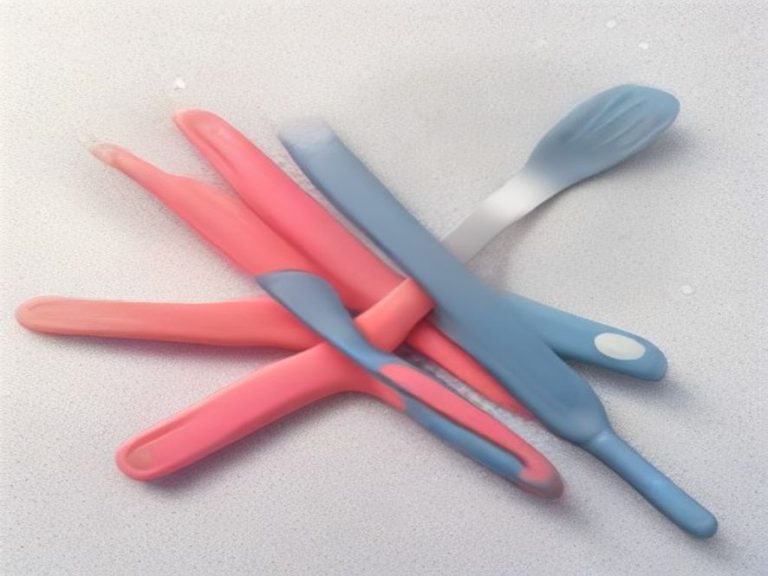
Understanding the main spatula types helps you choose wisely :
| Spatula Type | Best For | Material Recommendation |
|---|---|---|
| Turner | Flipping burgers, pancakes, grilled cheese | Metal or sturdy silicone |
| Fish Spatula | Delicate fish, eggs, vegetables | Thin metal or flexible silicone |
| Scraper | Mixing batters, folding, scraping bowls | Silicone (flexible, heat-safe) |
| Spoonula | Stirring, scooping, scraping | Silicone with spoon-shaped head |
| Offset Spatula | Frosting cakes, smoothing batter | Metal for baking precision |
| Grill Spatula | Outdoor grilling, heavy meats | Long-handled metal for safety |
| Jar Spatula | Getting ingredients from narrow containers | Thin, flexible silicone |
Comparison Table: Spatula Materials and Their Best Uses
| Material | Best For | Avoid | Heat Resistance | Durability | Scratches Non-Stick? |
|---|---|---|---|---|---|
| Silicone | Non-stick pans, baking, scraping | Heavy lifting, high-heat searing | Up to 600°F | 3-5 years | No |
| Stainless Steel | Grilling, searing, heavy foods | Non-stick cookware | Over 700°F | Decades | Yes |
| Wood | Enameled cast iron, general cooking | Dishwasher use | Natural heat resistance | Years with care | No |
| Nylon | Light cooking, budget option | High-heat cooking | 200-300°C | 1-2 years | No |
Expert Tips for Getting the Most from Your Spatulas
Extending Silicone Spatula Lifespan
Silicone tools require specific care. Hand-wash when possible to prevent dishwasher wear. Check for heat resistance ratings before using near high temperatures. Premium silicone with a fiberglass core offers better durability and strength .
Always inspect silicone spatulas for melting or damage before each use. Quality options like the GIR Ultimate Spatula feature unibody construction—no removable parts that can trap bacteria or mold .
Protecting Your Metal Spatula Investment
Stainless steel spatulas need different care. Hand-wash and dry thoroughly to prevent water spots. Never use metal spatulas on non-stick surfaces. Always follow cookware manufacturer guidelines to protect your pans.
Safety reminder: Always unplug appliances before cleaning or repairing them—especially important with electrical kitchen equipment.
The Practical Guide: Real-World Spatula Selection
Which Spatula Should You Buy First?
For most home cooks, the best way to build a spatula collection starts with these essentials:
- A versatile silicone turner for everyday flipping—look for one with good flexibility for eggs and enough strength for pancakes
- A flexible silicone scraper for baking, mixing, and scraping bowls clean
- A metal turner for heavy-duty tasks like smash burgers and grilling
- A jar spatula for getting every last bit from jars and containers
When to Buy Specialty Spatulas
Certain cooking styles benefit from specialized tools:
- Fish spatula: Essential if you cook fish regularly—the slotted, angled design prevents breakage
- Offset spatula: Must-have for bakers—the angled blade creates smooth, professional frosting
- Grill spatula: Long handle keeps hands safe from grill heat
Spatula Maintenance Guide
Storage Recommendations
Proper kitchen organization extends spatula life. Avoid overcrowding drawers where metal edges can damage silicone heads. Hang metal and wood spatulas to prevent warping.
Cleaning Guidelines
Different materials require different care approaches :
- Silicone: Dishwasher-safe, but hand-washing extends lifespan
- Metal: Hand-wash and dry thoroughly to prevent rust
- Wood: Hand-wash only—dishwasher causes splitting; oil periodically with food-safe mineral oil
Expert Tips for Maximum Performance
“Most kitchen problems come from small maintenance habits that are often ignored.”
Choose spatulas with seamless, one-piece construction to prevent bacteria buildup . Consider buying a set like the U-Taste Silicone Spatula Set, which includes multiple types for different tasks at a reasonable price .
Frequently Asked Questions
What’s the best spatula for non-stick pans?
Use silicone or wood spatulas—they won’t scratch the surface.
Can silicone spatulas melt?
Quality silicone withstands up to 600°F, but cheap versions melt at lower temperatures.
Why do I need different spatulas?
Each type is designed for specific tasks—turners flip, scrapers mix, spreaders frost.
Are expensive spatulas worth it?
Quality tools last longer and perform better—look for heat resistance and sturdy construction.
How do I clean wooden spatulas?
Hand-wash only and oil periodically to prevent splitting and cracking.
What spatula type is best for eggs?
A flexible silicone turner or fish spatula slides easily under delicate eggs without breaking.
Can metal spatulas be used on any pan?
No—metal scratches non-stick and enameled surfaces.
References
Spatula Selection Guide: Expert Recommendations and Cooking Tool Safety Standards:
- FDA Kitchen Equipment Guidelines
- Food & Wine Spatula Testing and Reviews
- The Kitchn: Types of Spatulas Explained
- NFPA 96 Standard for Ventilation Control
Which kitchen tool dilemma do you want solved next? Share your thoughts in the comments below.