Essential Cooking Tools for a Small Apartment Kitchen: Your Ultimate Space-Saving Guide
Cooking in a tiny apartment kitchen can feel like a puzzle, but choosing the right tools turns that cramped space into your favorite room in the house.
You just moved into your first apartment, or maybe you’re downsizing to a cozy studio. You open the kitchen cabinets, and there’s barely enough room for a box of cereal, let alone a full set of pots and pans. That bulky knife block your aunt gave you? It’s taking up half your counter. You want to cook healthy meals, but every time you look at your cluttered counters, you feel stressed and order takeout instead.
Does this sound familiar? You are not alone. Many home cooks face the daily frustration of a messy, cramped kitchen. But here’s a secret: you don’t need a big kitchen to cook like a pro. You just need the right tools. This guide will show you the best way to build a collection of essential cooking tools for a small apartment kitchen that will save space, money, and your sanity.
TL;DR
- Focus on Multi-Use Tools: Choose kitchen items that can do several jobs, like a chef’s knife or an immersion blender.
- Think Vertical and Compact: Use wall magnets and nesting bowls to save cupboard space.
- Invest in Quality: A few good, durable items last longer and perform better than cheap sets.
- Smart Appliances: An air fryer or multi-cooker can replace several bulky gadgets.
Key Takeaways
- A chef’s knife is the single most important tool you can own.
- Cast iron and stainless steel pans are versatile and last a lifetime.
- An air fryer is a space-saving hero for crispy food without a big oven.
- Kitchen organization is as important as the tools themselves.
- Always clean as you go to keep your small space peaceful.
The Real Causes Behind Common Kitchen Problems and How to Fix Them
The biggest problem in a small kitchen isn’t lack of space; it’s poor planning. When you don’t have a plan for your tools, you end up with clutter. This leads to a cycle of frustration: you can’t find what you need, you buy duplicates, and you waste time and energy. The solution is to start with a simple, functional setup.
Why Most Beginner Kitchens Fail
The main issue is that people buy “sets.” That 15-piece knife block or 20-piece cookware set might look nice, but it is a trap. Most of those items are the same size or serve the same purpose. This is a waste of space and money. Instead, you need to think like a minimalist. According to food writer Emily Ziemski, “There are some tried-and-true basics you’ll want—a chef’s knife, a good quality cutting board, a stainless-steel pot, a skillet of some kind.” It’s that simple. If you can’t think of a use for a tool right now, you probably don’t need it.
How to Fix Kitchen Clutter Forever
Here is a quick guide to fixing your small space woes:
- Take Inventory: Pull everything out of your cabinets. Do you have three spatulas? Keep the best one.
- Think “Dual-Purpose”: For every item you keep, ask, “Can this do more than one job?” If the answer is no, it might need to go.
- Use Your Walls: A magnetic knife strip is one of the best ways to free up counter space and keep your knives safe. It looks professional and saves space.
- Nesting is Key: Buy bowls and measuring cups that stack inside each other. This is vital for space utilization.
Building Your Essential Toolkit
Forget the gadgets. Start here. These are the foundational tools that will cover 90% of your home cooking needs .
The “Big Three” Cookware Items
You don’t need a cupboard full of pans. You just need these three :
- The Chef’s Knife (8-inch): This is the workhorse. A sharp, high-quality 8-inch chef’s knife is the only knife you really need. It chops onions, cuts meat, and minces garlic. A sharp knife is actually safer than a dull one because it won’t slip off the food.
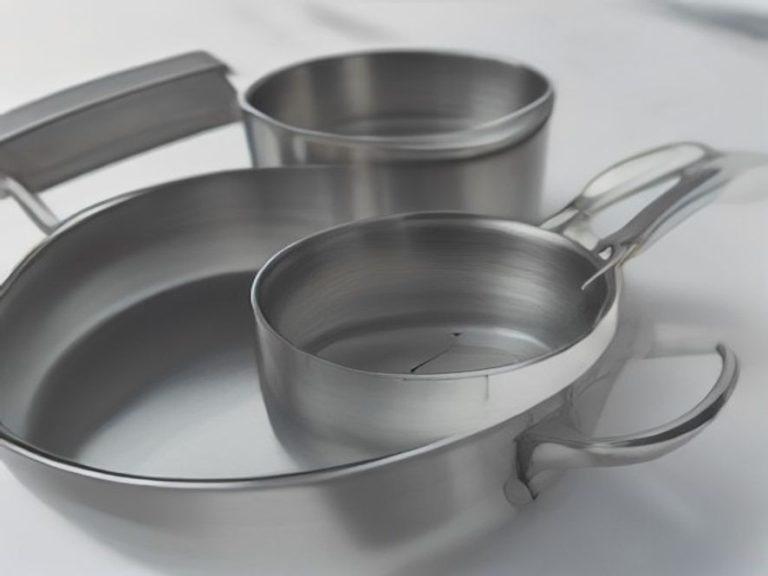
- The 10-inch Skillet: Invest in a good 10 or 12-inch skillet. Cast iron is amazing because it holds heat well and can go from stove to oven. However, a high-quality stainless steel pan is also a great choice for apartment dwellers because it is durable and works on all cooktops. Look for one that is oven-safe.
- The 4-Quart Pot: You need a medium-sized pot (about 3 to 4 quarts) for boiling pasta, making soup, or cooking a big batch of chili. This is your go-to for one-pot meals, which are perfect for a small space.
Must-Have Utensils
Besides the pans, you need the tools to handle the food.
- The Wooden Spoon/Silicone Spatula: This is the multi-tool of the kitchen. It stirs, scrapes, and mixes. Using a heat-resistant silicone spatula is perfect for scraping every last bit of sauce out of your pan.
- Tongs: A good pair of stainless steel tongs is like an extension of your hand. You can flip meat, toss salads, or serve vegetables. They replace several other tools.
- Cutting Board: A medium-sized wooden or bamboo board is a must. It’s kind to your knife and looks good in a small space. Plus, it can double as a serving platter for cheese and snacks when you have guests over.
- Colander: You will be making pasta, so you will need a colander. You can also find ones that collapse for easier storage. “You will be making pastas,” says expert Emily Ziemski.
Smart Appliances That Earn Their Spot
Appliances can be tricky. They take up precious counter space. But the right ones can actually save you time and space by replacing other tools.
The Immersion Blender vs. The Food Processor
A full-sized blender takes up a lot of room. An immersion blender (stick blender) is a much better choice for a small apartment. It takes up minimal space in a drawer, and you can use it to blend soup right in the pot, make smoothies in the glass, or whip cream. It’s a true space-saver.
The Air Fryer Revolution
The air fryer has become a staple in apartments for good reason. It is basically a small convection oven. It can crisp up food faster than a full-sized oven, which is great for saving electricity and keeping your apartment cool. The Ninja Crispi is a great example of a compact air fryer that is designed for small spaces. It can roast vegetables, cook chicken, and reheat leftovers, making it one of the most versatile small appliances.
The Multi-Cooker
A multi-cooker (like an Instant Pot) is another heavy hitter. It can act as a pressure cooker, slow cooker, rice cooker, and even a steamer. This is the ultimate multi-tool appliance that turns a small kitchen into a powerhouse.
Comparison Table: Skillet vs. Air Fryer
| Feature | 10-inch Skillet | Air Fryer |
|---|---|---|
| Purpose | Searing, frying, oven-safe baking | Crisping, roasting, reheating |
| Effectiveness | Excellent for browning and sauces | Best for crispy food with less oil |
| Difficulty | Requires more attention | Set-it-and-forget-it operation |
| Space | Stores flat in a cabinet or on a hook | Requires counter space |
Chart: Space vs. Usefulness of Common Kitchen Tools
The chart below compares common kitchen tools based on how much space they take up versus how often you actually use them.
Chart 1: Which kitchen tools are actually worth the space they take up?
Organization Hacks for Tiny Kitchens
You’ve got the tools, now how do you fit them in? Kitchen organization is a game-changer.
Think Vertical
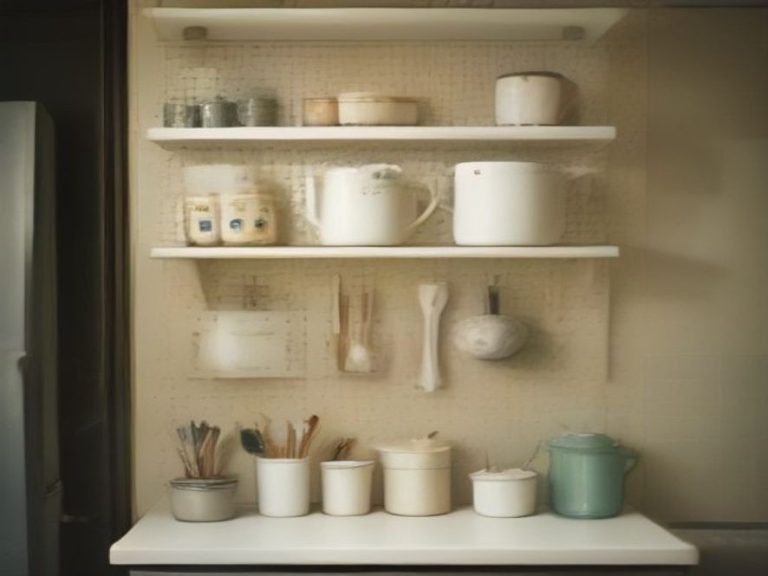
“Think vertical whenever possible,” advises one expert . This is the golden rule of small kitchens. Install a magnetic strip on the wall for your knives. Use a hanging rack for your pots and pans. This frees up drawers and cabinets immediately.
Use the Inside of Doors
The inside of your cabinet doors is prime real estate. You can stick hooks on them to hang measuring cups, pot holders, or even a small spice rack. This makes use of space you usually ignore.
The Container Strategy
Use clear containers for your pantry items. They stack better than the original packaging, and you can see exactly what you have at a glance. This prevents you from buying duplicates of spices or flour, which is crucial for small-space living.
Bonus Tip: Clean as You Go
This is more of a habit than an organization tip, but it’s vital. Wash your knife and cutting board right after you prep your veggies. Wash dishes while your food is cooking. This prevents the “Mount Dishmore” that can make a small sink (and your entire kitchen) feel claustrophobic.
“Most kitchen problems come from small maintenance habits that are often ignored.”
Frequently Asked Questions (FAQ)
Why does my small kitchen smell bad?
Food scraps in the garbage or a dirty drain can cause odors. Clean your sink and garbage disposal weekly with baking soda and lemon.
What is the best way to clean grease?
Wipe surfaces immediately with a degreaser or a mix of vinegar and water to prevent buildup before it becomes sticky.
How do I organize my kitchen with no pantry?
Use wall-mounted shelves and clear containers. Store dry goods in baskets on top of your refrigerator.
Are expensive pans worth it?
Yes, cheap pans warp quickly and have coatings that flake. A quality pan lasts longer and cooks food more evenly.
Can a novice cook use a chef’s knife safely?
Yes, use a sharp knife and learn the “claw grip” where you curl your fingers under to hold food securely. An instant-read thermometer also helps prevent undercooking.
What is the best way to store plastic wrap and foil?
Buy a wall-mounted dispenser or keep them in a drawer organizer. Loose boxes just cause clutter.
How do I make cooking less stressful in a small kitchen?
Use the mise en place method: prep all your ingredients before you start cooking. This means you won’t be scrambling for space while the pan is hot.
Sources for Smarter Cooking
Trusted resources for building your perfect kitchen:
- Bon Appétit – First Apartment Starter Kit
- CNET – Best Cooking Tools for Small Kitchens
- The Kitchen Warehouse – Transform Your Tiny Kitchen
Which kitchen problem do you want solved next? Share your thoughts in the comments below