The Best Cooking Tools for Cooking With Cast Iron: A Beginner’s Guide to Seasoning, Cleaning, and Maintenance
That first sizzle of a steak in a hot cast-iron skillet is a sound that promises a perfect, crispy crust, but the fear of ruining that beloved pan can make any home cook nervous.
You’ve likely heard the rumors: cast iron is too hard to clean, it rusts if you look at it wrong, and you can never use soap. It’s enough to make you stick with your non-stick pans. But the truth is, cast-iron cookware is one of the most durable, versatile, and rewarding tools you can have in your kitchen . With the right techniques and a few essential tools, you can master this classic cookware and pass it down for generations .
TL;DR
This guide covers the must-have tools for effortless cast-iron cooking, from cleaning to seasoning. You’ll learn about chainmail scrubbers, proper oils, and why a simple spatula matters. We’ll also debunk old myths, like never using soap, and give you a clear, step-by-step plan for maintaining your pan. By the end, you’ll have the confidence to cook anything from a perfect sear to a delicious dessert in your cast iron.
Key Takeaways
- A chainmail scrubber is your best friend for removing stuck-on food without damaging your pan’s seasoning.
- Dish soap is safe to use on well-seasoned cast iron; the old rule comes from a time when soap contained lye .
- Flaxseed oil, grapeseed oil, or canola oil are excellent choices for seasoning your pan.
- Heating your pan gradually is the secret to even cooking and preventing warping.
- Having the right spatula and oven mitts ensures safe and efficient cooking with your heavy skillet.
The Essential Tool Kit for Cast Iron Care and Cooking
To truly enjoy cooking with cast iron, you need more than just the pan itself. The right tools will make the experience smooth, enjoyable, and free of frustration. Here are the best cooking tools for cooking with cast iron that every home cook should have.
The Chainmail Scrubber: Your Pan’s Best Friend
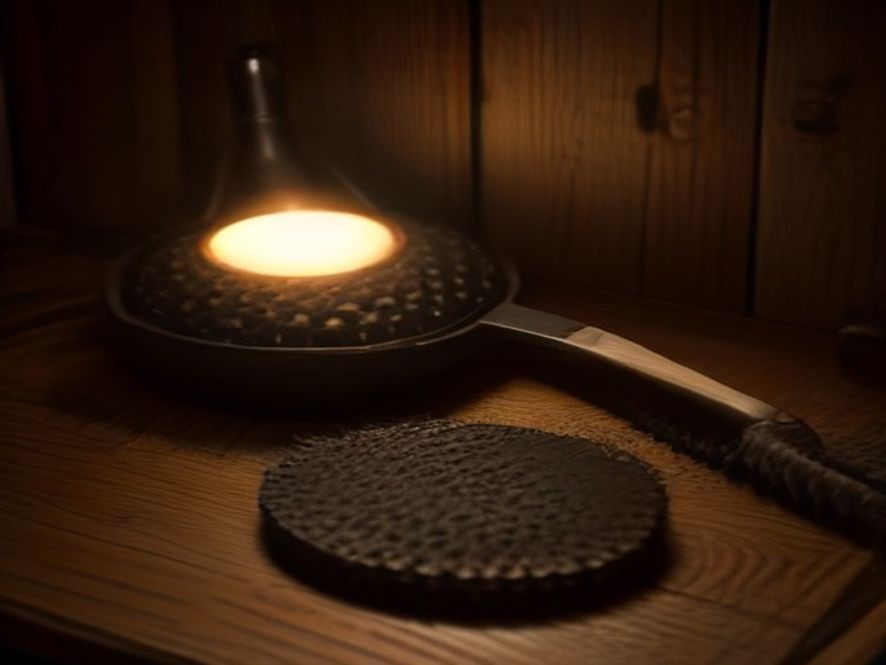
This might look like a piece of medieval armor, but a chainmail scrubber is the safest and most effective way to clean your cast-iron pan. When food gets stubbornly stuck, a chainmail scrubber will easily scrape it off without harming the precious seasoning layer you’ve built up . It works by creating a gentle abrasive action that lifts food particles while leaving the polymerized oil (your seasoning) intact. It’s reusable, easy to clean, and will last for years. For best results, use it with a little hot water to get your pan sparkling clean.
The Right Oil for Seasoning
The key to a non-stick cast-iron surface is the seasoning, which is a layer of polymerized oil. Not all oils are created equal for this task. You want an oil with a high smoke point that will create a hard, durable coating. Flaxseed oil is a favorite for its ability to create a hard, glass-like finish. Grapeseed oil and canola oil are also excellent, more affordable choices. Avoid butter or olive oil for initial seasoning, as they have lower smoke points and can turn sticky.
The Metal Spatula: For the Perfect Sear
While you should avoid metal utensils on non-stick pans, a sturdy metal spatula is a cast-iron essential. Its thin, flat edge is perfect for getting under delicate foods like fried eggs or pancakes without breaking them. It’s also great for scraping up delicious fond (the browned bits) from the pan to make a flavorful pan sauce. A metal spatula’s durability is a perfect match for your indestructible cast iron.
Proper Oven Mitts: Safety First
Cast iron gets screaming hot and retains that heat for a long time. One of its greatest benefits is going from stovetop to oven , which means you’ll often need to handle a very hot skillet with its heavy handle. A good pair of silicone oven mitts or pot holders is not just a convenience; it’s a safety necessity to prevent serious burns.
How to Fix Common Cast Iron Problems: A Guide to Solutions
Even with the best tools, you might run into a few hiccups. Don’t worry, most issues are easily fixed. Here is a guide to troubleshooting common cast iron woes.
Why Your Pan is Rusting and How to Fix It
Rust is the number one fear for cast iron owners, but it’s easily preventable. Rust forms when the pan’s seasoning is compromised and the bare iron is exposed to moisture. This can happen if you leave it soaking in water or put it away while it’s still damp .
How to fix it: If you see a bit of rust, don’t panic. Scrub the rusty area with a chainmail scrubber or fine steel wool until you see bare metal . Wash and thoroughly dry the pan, then rub a very thin layer of oil over the entire surface. Place it upside down in a 450°F to 500°F oven for one hour to re-season it . Let it cool completely before using it again. To prevent future rust, always make sure your pan is completely dry after washing. A quick way to do this is to put it on a warm burner for a minute to evaporate any remaining moisture.
Dealing with Stuck-On Food
Sometimes, things just stick. This usually happens for one of two reasons: the pan wasn’t hot enough before adding food, or the heat was too high. Cast iron heats evenly and retains heat well , but it’s best to heat it up gradually over medium heat . When you add your food, it should sizzle immediately, creating a natural non-stick barrier. If food does get stuck, deglaze the pan. Add a little water to the hot pan and bring it to a simmer. As it bubbles, the stuck-on bits will loosen and become easy to wipe away .
The Mystery of the Sticky Pan
If your pan feels sticky or tacky, it’s usually a sign of too much oil. During the seasoning process, the oil needs to be applied in a very thin layer. If you use too much, it won’t fully polymerize and will remain gummy. To fix this, you can put the pan in the oven at a high temperature to burn off the excess oil, or simply wash it with soap and water to remove the sticky layer and re-season it with a much thinner coat.
The Best Techniques for Cooking with Cast Iron
Mastering a few techniques will elevate your cast-iron cooking from good to great.
- Preheat Your Pan Properly: The key to cast iron’s success is its ability to retain high heat. Place your pan over medium heat for 3-5 minutes before adding any food. It should be evenly hot across the surface. For perfect searing, you want a hot pan and a cold, dry protein . This will give you that beautiful, flavorful crust.
- Be Generous with Fats: A well-seasoned pan is somewhat non-stick, but using a good amount of cooking oil, butter, or bacon fat when you cook is essential. This helps keep the food from sticking and continues to build your seasoning over time.
- Don’t Cook Acidic Foods for Too Long: While a quick splash of lemon juice or a tomato-based sauce for a short time is fine, simmering highly acidic foods for a long period can break down the seasoning and give your food a metallic taste . If you are making a slow-simmered tomato sauce, it’s best to use a stainless steel or enameled pot.
- Let the Pan Cool Before Cleaning: Plunging a hot cast iron skillet into cold water is a recipe for disaster. The sudden temperature change can cause the pan to warp or even crack . Let it cool down a bit on the stovetop before you start the cleaning process.
Comparison of Cast Iron Cleaning Tools
| Tool | Purpose | Effectiveness | Difficulty Level | Cost |
|---|---|---|---|---|
| Chainmail Scrubber | Removing stuck-on food without harming seasoning. | Excellent, gentle abrasive action . | Very Easy, just scrub with hot water. | Low ($10-$15) |
| Plastic Scraper | Lifting stubborn bits without scratching the surface. | Good, but may not get the pan completely clean. | Very Easy. | Very Low ($5-$10) |
| Steel Wool | Removing rust or stripping seasoning for a complete reseason. | Very Effective for its intended purpose, but will strip seasoning. | Moderate, requires careful rinsing. | Low ($3-$5) |
| Soft Sponge | Everyday cleaning, especially if the pan is in good shape. | Good for light cleaning, but not for stuck-on food. | Very Easy. | Very Low ($2-$4) |
Simple Solutions to Common Questions
Why does my cast iron pan smell bad?
Your pan can sometimes hold onto the odors of strong foods like fish or garlic. To neutralize it, wash your pan with warm water and soap, dry it thoroughly, and then heat it over low heat with a thin layer of oil for a few minutes.
What is the best way to clean a cast iron skillet?
The best way is to wash it while it’s still warm (not hot) with hot water and a sponge. Use a chainmail scrubber for any stuck-on bits. You can use a small amount of dish soap. Always dry it completely.
Is it okay to use soap on cast iron?
Yes, modern dish soaps are perfectly safe for well-seasoned cast iron. The myth comes from a time when soap contained harsh lye, which would strip the seasoning. Just don’t use a lot, and never put it in the dishwasher.
How do I fix a sticky cast iron pan?
The stickiness is likely due to using too much oil when seasoning. Wash it with soap and water to remove the sticky layer, and then re-season it with a very thin layer of oil that you wipe off as if you made a mistake.
Can you ruin a cast iron pan?
It is almost impossible to completely ruin a cast-iron pan. Even if it’s rusty or has a poor seasoning, it can almost always be restored with a little scrubbing and a fresh seasoning .
What is the best oil to use for seasoning?
High-smoke-point oils like flaxseed, grapeseed, canola, or vegetable oil are excellent. It is best to avoid low-smoke-point oils like butter or extra virgin olive oil.
FAQ
Why does my kitchen smell bad after cooking with cast iron?
Sometimes the pan can absorb odors. The best remedy is to wash and dry it, then “bake” it in the oven at a low temperature for a little while to burn off any lingering smelly residue.
How do I fix a clogged sink?
This is a common kitchen problem. First, try using a plunger. If that doesn’t work, a mixture of baking soda and vinegar can help break down the clog, followed by a pot of boiling water. If the problem persists, a plumbing snake or calling a professional is your best solution.
What is the best way to clean a greasy kitchen?
Regular cleaning is best for preventing buildup. Use a degreasing kitchen cleaner on your stovetop and countertops. Wiping down your range hood and backsplash weekly can prevent a sticky layer of grease from forming.
How do I reduce my kitchen electricity bill?
Using energy-efficient appliances can make a difference. Also, using your toaster oven or air fryer for smaller meals instead of your large oven uses less energy and helps keep your kitchen cooler.
What are the first steps to improving my kitchen organization?
Start by decluttering your countertops. Then, organize your cabinets by putting frequently used items at eye level. Using drawer dividers and shelf risers can help you maximize your space utilization and make everything easier to find.
Which kitchen problem do you want solved next? Share your thoughts in the comments.
Trusted Resources for Cast Iron Care and Kitchen Solutions: