Hidden Places That Cause Bad Smells in the Kitchen: A Complete Guide to Finding and Fixing Odor Traps
You scrubbed the countertops, took out the trash, and even lit a candle—but that stubborn smell is still there, lurking somewhere you can’t see.
It’s frustrating, isn’t it? You’ve done everything right. The kitchen looks spotless. Yet every time you walk in, there’s that faint, unpleasant odor that won’t go away. You start to wonder if you’re imagining things. But you’re not. The truth is, bad smells often hide in places you’d never think to check.
Most kitchen odors don’t come from obvious sources like the trash can or spoiled food in the fridge. They come from hidden spots that get overlooked during regular cleaning. This guide will show you exactly where these odor traps are and how to eliminate them for good.
TL;DR
- Bad kitchen smells often hide in places you don’t regularly clean, like behind appliances and inside cabinets
- Your refrigerator drip pan, range hood filter, and dishwasher filter are major odor culprits
- Grease buildup on cabinets and walls traps odors and needs regular cleaning
- Moisture and trapped food particles create bacteria that produce unpleasant smells
- Regular maintenance of hidden areas prevents odors from building up over time
Key Takeaways
- Check behind and under your refrigerator for the drip pan—it collects moisture and mold
- Clean your dishwasher filter and door gasket monthly to prevent sour smells
- Remove and wash range hood filters regularly to eliminate trapped grease odors
- Wipe down cabinet doors and walls to remove invisible grease film
- Pull out appliances occasionally to clean crumbs and spills that collect underneath
Why Hidden Odor Sources Are So Tricky
The biggest challenge with kitchen odors is that our noses quickly get used to smells we encounter every day. This phenomenon is called olfactory adaptation. You might not notice the musty smell coming from under your sink because you’ve been smelling it for weeks. Meanwhile, guests walk in and wonder what that odor is.
But there’s another reason hidden odors are so sneaky. Bacteria and mold grow in dark, damp places that don’t see much light or airflow. These microscopic organisms produce gases that we perceive as bad smells. And because these spots are out of sight, they rarely get cleaned. Over time, the buildup becomes worse and harder to remove.
Let’s uncover the most common hidden odor hotspots in your kitchen.
The Top Hidden Places Where Kitchen Odors Live
Behind and Under the Refrigerator
Your refrigerator has a drip pan or evaporator pan located underneath it. This pan catches water that drips from the defrost cycle. Over time, this water becomes stagnant and develops mold and bacteria. The smell can be musty, sour, or even like rotting food.
How to fix it: Pull your refrigerator away from the wall. Depending on your model, you might need to remove a kick plate or access panel to reach the drip pan. Slide it out, wash it with warm soapy water, and dry it completely before replacing. Clean the floor underneath while you have access.
Always unplug appliances before cleaning or repairing them
Inside the Dishwasher
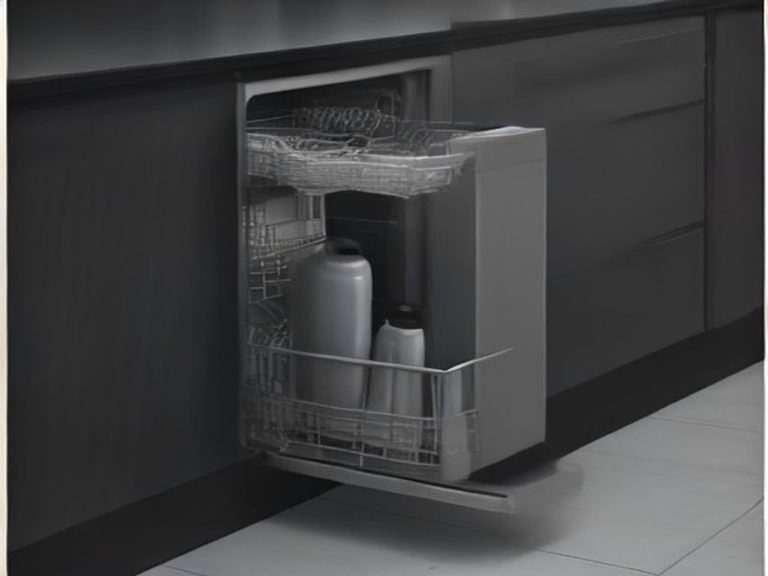
A dishwasher that smells bad is a common problem. Food particles get trapped in the filter, spray arms, and around the door gasket. The warm, moist environment inside is perfect for mold and bacterial growth.
How to fix it: Remove and clean the filter at least once a month. Scrub the door gasket with a soft brush and mild soap. Run a cleaning cycle with a dishwasher cleaner or a cup of white vinegar placed on the top rack. Always leave the door slightly open after a cycle to let moisture escape.
Your Range Hood Filter
Many people don’t realize their range hood has a filter that needs regular cleaning. Grease and soot from cooking build up on this filter, trapping odors and creating a greasy film that holds onto smells. When you cook, the heat releases these trapped odors back into your kitchen.
How to fix it: Remove the filter and check your manufacturer’s instructions. Most metal filters can be soaked in warm soapy water or sprayed with a degreaser. Some are dishwasher-safe. If you have a disposable charcoal filter, replace it as recommended by the manufacturer.
Inside Kitchen Cabinets
Cabinet doors and shelves can develop a greasy film over time, especially near the stove and sink. This film traps cooking odors and dust, creating a stale smell inside your cabinets. Often, you don’t notice it until you open a cabinet and get a whiff of something unpleasant.
How to fix it: Wipe down your cabinet interiors with a mild degreaser. Don’t forget the tops of cabinets where grease and dust collect. Line shelves with easy-to-clean shelf liners to prevent odors from soaking into the wood.
Under the Kitchen Sink
The space under your sink is prone to moisture and leaks. A small, unnoticed drip can create a perfect breeding ground for mold and mildew. Cleaning products and trash also sit in this area, contributing to a chemical or stale smell. Additionally, the rubber seal around the garbage disposal can trap food debris and cause odors.
How to fix it: Check for any leaks in your pipes. Clean the cabinet thoroughly, using a bleach solution to kill mold if present. Use a garbage disposal cleaning product to clean the rubber splash guard, and run the disposal with ice and citrus peels to freshen it up.
Behind and Under the Stove
Your stove accumulates grease and spills on its sides and underneath. Crumbs that fall through the stovetop burn on hot surfaces, creating a burnt smell that can linger. Pulling out the stove to clean underneath is a task many people dread, but the dirt and grime that accumulate there are major sources of kitchen odors.
How to fix it: Pull the stove out from the wall and clean the floor underneath. Wipe down the sides of the appliance with a degreaser. For electric stoves, lift the top to clean underneath the burners. For gas stoves, remove the grates and scrub them to remove baked-on food.
The Garbage Disposal Splash Guard
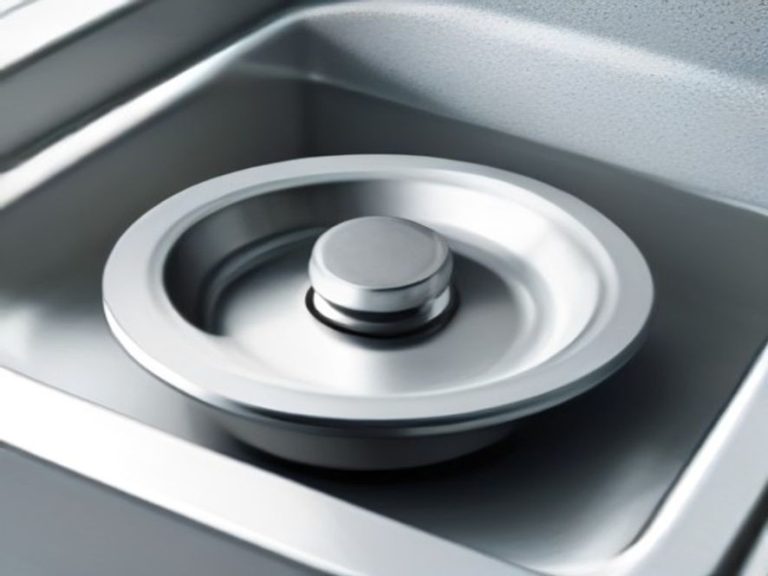
The rubber splash guard in your garbage disposal is a hidden odor trap. Food particles and grease get stuck in its folds and can start to smell bad, especially when you run water. Often overlooked during cleaning, it can be a primary source of sour odors in the kitchen.
How to fix it: Remove the splash guard and scrub it with a brush and soapy water. Some are dishwasher-safe. You can also use an old toothbrush to get into all the crevices.
The Microwave Interior and Turntable
Microwaves can trap steam and food smells. While the inside may look clean, a residue can build up over time that harbors bacteria and odors. The turntable and the area underneath it are frequent culprits.
How to fix it: Wipe the microwave interior with a solution of vinegar and water, or heat a bowl of water with lemon slices for a few minutes to create steam that loosens grime. Then wipe it clean. Remove the turntable and wash it separately.
Cutting Boards and Sponges
Cutting boards and sponges may not be completely hidden, but they are often where unpleasant odors begin. Even after washing, a cutting board can absorb food odors like onion and garlic. A sponge can harbor bacteria that give off a sour smell.
How to fix it: Clean cutting boards by scrubbing with soap and water, then sanitizing with a diluted bleach solution or white vinegar. For a natural method, scrub with coarse salt and half a lemon. Replace sponges regularly. To keep odors away, you can microwave a damp sponge for one minute to kill bacteria.
Trash Can and Recycling Bin
While the trash bag gets changed, the trash can and recycling bin themselves hold onto odors. Liquid from food waste can pool at the bottom, and bacteria can grow on the inner walls. Recycling bins, especially those used for bottles and cans, can develop a sticky residue that smells.
How to fix it: Wash both bins outside with soap and hot water. Sprinkle baking soda in the bottom of the trash can between bag changes. For the recycling bin, rinse bottles and cans before putting them in to reduce odor-causing residue.
Toaster Oven and Air Fryer Crumb Trays
Toaster ovens and air fryers have crumb trays that are often neglected. Food drippings and crumbs can accumulate and burn, creating a strong, unpleasant smell each time you use the appliance. If these trays are not cleaned, the odor will spread throughout the kitchen.
How to fix it: Empty and wash the crumb tray after every few uses. Wipe down the interior of the appliance to remove any splatters or grease.
The Exhaust Fan and Duct
The exhaust fan over your stove is a major odor trap. Grease and soot build up inside the fan itself and its ductwork. This not only traps old cooking smells but can also become a fire hazard. If you have a recirculating hood with charcoal filters, they need to be replaced regularly.
How to fix it: Check and clean the fan and filter. For deep cleaning, you may need to disassemble the unit. Replacing the ductwork is usually a task for a professional, but keeping the filters clean will go a long way.
Hidden Kitchen Odor Sources Quick Reference
| Hidden Spot | What Causes Odors | Fix |
|---|---|---|
| Refrigerator drip pan | Stagnant water, mold | Remove, wash, dry |
| Dishwasher filter | Food particles, mold | Clean monthly, run vinegar cycle |
| Range hood filter | Grease, soot | Soak in degreaser or replace |
| Cabinet interiors | Grease film, dust | Wipe with degreaser |
| Under sink cabinet | Leaks, moisture | Check for leaks, clean with bleach |
| Behind stove | Spills, crumbs, grease | Pull out and clean |
| Garbage disposal splash guard | Food residue | Remove and scrub |
| Microwave turntable | Food splatters, steam | Wipe and wash turntable |
| Trash can bin | Spilled liquids | Wash with soap and hot water |
| Air fryer/toaster oven tray | Crumbs, drippings | Empty and wash regularly |
| Exhaust fan duct | Grease buildup | Clean filters, consider professional duct cleaning |
Simple Maintenance Habits to Prevent Hidden Odors
Cleaning hidden areas is important, but consistent habits are even better. Here are some simple practices that will keep odors from taking hold:
- Take out the trash every day during warm weather if you’re cooking with fish, meat, or strong spices
- Wipe down appliance exteriors and cabinet doors after cooking to prevent grease buildup
- Run a cleaning cycle on your dishwasher once a month with a specialized cleaner or white vinegar
- Leave appliance doors open slightly after use to allow moisture to evaporate and prevent mold growth
- Inspect under your sink weekly for any signs of a slow leak or puddles of water
Regular cleaning prevents grease buildup and bad odors.
FAQ: Common Questions About Hidden Kitchen Odors
Why does my kitchen smell bad even after I clean it?
Odors often come from hidden places like the refrigerator drip pan, dishwasher filter, or under the sink. Deep cleaning these areas is necessary.
How do I find where a bad smell is coming from in my kitchen?
Start by sniffing near the sink, under the fridge, inside the dishwasher, and around the garbage disposal. If the smell is strongest in a specific spot, that’s your culprit.
Why does my refrigerator smell bad even when it’s clean?
Check the drip pan underneath. It catches condensation and can grow mold if not cleaned regularly.
How often should I clean my dishwasher filter?
Clean your dishwasher filter at least once a month to prevent food particles from decomposing and causing odors.
Why does my sink smell even after I’ve run the garbage disposal?
The rubber splash guard often traps food residue. Remove it and scrub it with soap and water.
What are the best products for removing kitchen odors?
Baking soda absorbs odors, vinegar neutralizes them, and specialty cleaners like enzymatic cleaners break down organic matter. But you also need to physically remove the source with soap and water.
Final Thoughts
The secret to a fresh-smelling kitchen isn’t just about what you can see. It’s about the places you don’t think about until the smell reminds you they exist. The refrigerator drip pan, the dishwasher filter, behind the stove, and under the sink—these are the real battlegrounds against kitchen odors.
The good news is that once you know where to look, the solutions are simple. Regular cleaning and maintenance of these hidden areas will prevent most odors from developing. It takes a little extra effort, but the result is a kitchen that always smells clean and inviting.
Start with one spot at a time. Check your refrigerator drip pan today. Clean your dishwasher filter this weekend. By the end of the month, you’ll have tackled every hidden odor source in your kitchen. And you’ll finally know why your kitchen smells fresh and clean all the time.
Which kitchen problem do you want solved next? Share your thoughts in the comments.
Trusted resources for kitchen cleaning and odor removal: