Kitchen Appliance Maintenance Tasks People Often Ignore
You clean the inside of your microwave and wipe down the stovetop religiously, but the hidden parts of your appliances are quietly failing while you focus on the visible spots.
We all have our cleaning routines. But many of the most important maintenance tasks happen in the places we never think to look—behind, underneath, and inside the components we forget exist. Ignoring these tasks is the number one reason appliances break down years before they should . Here is what you are probably missing and why it matters.
TL;DR
- Clean refrigerator condenser coils twice a year—dusty coils force the compressor to overheat and fail .
- Clean dishwasher filters and spray arms monthly—clogs lead to poor cleaning and pump failure .
- Clean range hood filters monthly—grease buildup is a major fire hazard .
- Inspect and clean dryer vents annually—lint buildup causes 2,900 home fires yearly .
- Maintain garbage disposals with ice and baking soda—prevents odors and jams .
- Descale coffee makers every 3–6 months—mineral deposits damage internal components .
The Most Overlooked Maintenance Tasks
1. The Dishwasher Filter
Most people do not even know their dishwasher has a filter. And if they do, they rarely clean it. Over time, food particles, soap scum, and grease clog the filter, reducing cleaning power and causing odors . A clogged filter can also lead to standing water at the bottom of the dishwasher .
When to clean: Once a month to once every three months, depending on how often you scrape dishes before loading .
How to do it: The filter is at the bottom of the tub, usually under the lower spray arm. Twist to unlock and pull it out. Rinse it under running water, using a soft brush or sponge to remove grease and debris . For stubborn bits, soak it in hot soapy water for a few minutes.
“A clogged filter is the number one cause of poor dishwasher performance and odors.” — Whirlpool
2. Refrigerator Condenser Coils
Dust bunnies are hiding behind and underneath your refrigerator, causing it to work harder and run longer . Dirty coils are a leading cause of refrigerator failure and account for a significant portion of energy consumption . When coils are dirty, the fridge can lose 30% of its efficiency, costing you money every month .
When to clean: Twice a year (when you change your clocks) .
How to do it: Unplug the fridge, pull it away from the wall, and vacuum the coils . If you have pets, clean them more often.
3. Range Hood and Grease Filters
Range hoods are often forgotten in the cleaning routine, leading to grease buildup that drips back onto your stovetop and poses a fire hazard . Grease-laden filters also compromise air quality in your kitchen.
When to clean: Monthly .
How to do it: Remove the metal filter and soak it in hot, soapy water for 10–15 minutes. Gently scrub and rinse it clean. Wait until it is completely dry before reinstalling . For extra-tough grease, leave it to soak for an hour or two .
4. Dishwasher Spray Arms
Blocked spray arm holes mean water cannot reach your dishes. Hard water minerals and food particles clog the tiny holes over time. When spray arms are blocked, you get cloudy dishes and poor cleaning results.
When to clean: Monthly .
How to do it: Remove the spray arms according to your manual. Clear the holes with a toothpick or wire. If your dishwasher has a filter, clean that at the same time.
5. Garbage Disposals
Many people use a garbage disposal incorrectly and neglect its maintenance. Avoid putting hard items like bones or fibrous material like celery down the disposal. The biggest mistake is not using enough water—run cold water for at least 10 seconds before and after grinding .
When to maintain: Monthly .
How to do it: To freshen it up, send ice cubes and rock salt through the disposal to clean the blades. Half a lemon or citrus peels will deodorize it naturally . Never pour grease or oil down the disposal—it solidifies and causes clogs.
6. Oven Door Seals
Oven gaskets are the rubber seals around the door. When they are dirty, cracked, or brittle, heat escapes, making the oven work harder and waste energy .
When to clean: Monthly .
How to do it: Wipe the gasket with a damp cloth. If it is damaged, replacing the gasket prevents heat loss and improves efficiency.
7. Exhaust Fans and Vents
Clogged dryer vents and range hood ducts are fire hazards. Lint, grease, and dust buildup restrict airflow and can ignite .
When to clean: Annually for dryer vents .
How to do it: Inspect the vent pipe and clean it out with a vacuum or a vent cleaning brush.
8. Coffee Maker Descaling
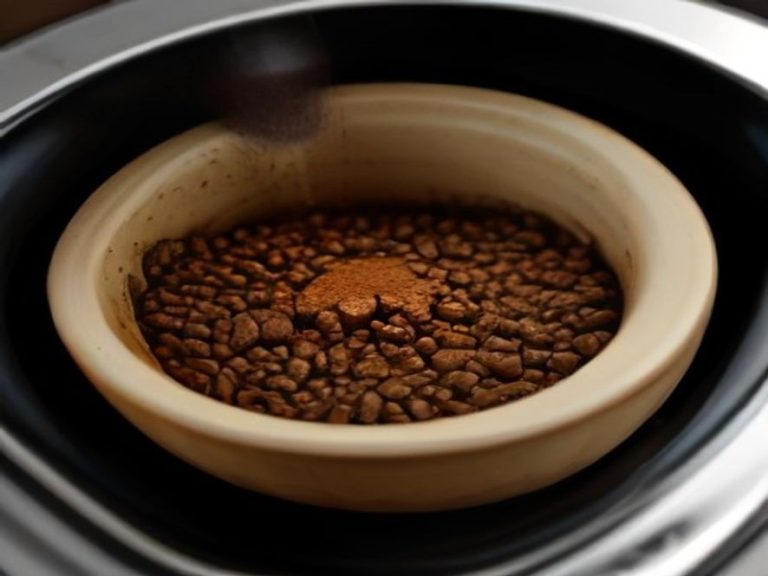
Mineral deposits from water build up inside coffee makers, affecting the flavor of your coffee and damaging the internal components. Descaling is essential, especially in areas with hard water.
When to descale: Every 3 to 6 months .
How to do it: Run a descaling solution or a mixture of vinegar and water through a brew cycle, followed by fresh water cycles to rinse.
9. Refrigerator Door Seals
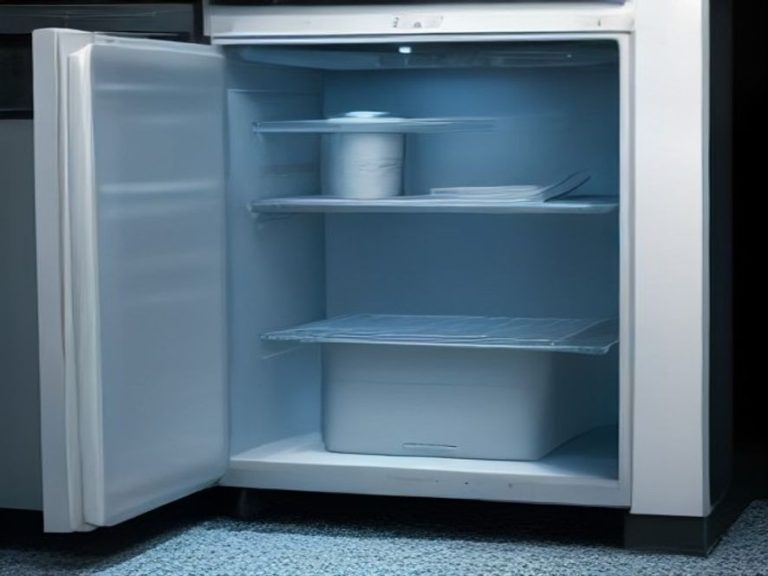
A dirty or cracked door seal lets cold air escape, making the fridge work harder and raising your energy bills . Wipe the rubber gasket gently with warm, soapy water. Close the door on a piece of paper; if it pulls out easily, the seal may need replacement.
10. Appliance Hoses and Water Lines
Hoses that bring water to your dishwasher, refrigerator, and washing machine can weaken, crack, or burst over time . This is one of the top causes of water damage in homes .
When to inspect: Annually .
How to do it: Look for cracks, bulges, or dampness. Replace them before they leak .
11. Stove Knobs and Burner Assemblies
Grease and food residue build up on stove knobs and inside burner caps, affecting flame quality and creating a fire hazard .
When to clean: Monthly .
How to do it: Soak burner caps and grates in warm, soapy water. Clean the igniter area with a stiff brush and check for clogs. Wipe the burner assembly and let everything dry completely before reinstalling.
12. Ice Maker and Dispenser
The ice maker and water dispenser in your refrigerator are prime spots for mold and bacteria if not cleaned regularly .
When to clean: Every 3 to 6 months .
How to do it: Turn off the ice maker, discard old ice, and clean the bin. If you do not use the ice maker, throw away old ice every few weeks and periodically run a cup of hot water through the dispenser to flush stale water.
Quick Reference Table: Forgotten Maintenance
| Appliance | Overlooked Part | When to Do It | Why It Matters |
|---|---|---|---|
| Refrigerator | Condenser coils | Twice a year | Dusty coils cause compressor failure and waste energy |
| Dishwasher | Filter and spray arms | Monthly | Clogs lead to poor cleaning and pump failure |
| Range Hood | Grease filter | Monthly | Grease buildup is a fire hazard |
| Oven | Door seal | Monthly | Heat loss wastes energy and affects cooking |
| Coffee Maker | Inside (descaling) | Every 3–6 months | Mineral deposits damage internal components |
| Garbage Disposal | Blades and drain | Monthly | Prevents odors and clogs |
| Ice Maker/Dispenser | Water line and bin | Every 3–6 months | Prevents mold and bacteria growth |
| Appliance Hoses | Water supply hoses | Annually | Cracked hoses cause major water damage |
FAQ
What is the most important appliance maintenance task people ignore?
Cleaning refrigerator condenser coils is one of the most commonly ignored tasks. Dusty coils are a leading cause of refrigerator failure and wasted energy .
How often should I clean my dishwasher filter?
Clean the dishwasher filter once a month to once every three months, depending on how often you scrape dishes before loading .
Why is my dishwasher leaving spots on my dishes?
A clogged filter or blocked spray arms are the most common causes. Clean the filter and clear the spray arm holes .
What happens if I don’t clean my range hood filter?
Grease builds up on the filter, which can drip back onto your stovetop and create a significant fire hazard .
How do I descale my coffee maker?
Run a descaling solution or a mixture of vinegar and water through a brew cycle, followed by fresh water cycles to rinse. Do this every 3 to 6 months .
Why is my garbage disposal smelling bad?
Odors come from trapped food particles. Grind ice cubes and citrus peels to clean and freshen the blades .
References
Trusted sources for kitchen appliance maintenance:
- KitchenAid – Maintenance Tasks You Might Be Ignoring
- Whirlpool – Most Overlooked Appliance Maintenance Tasks
- Molly Maid – How Often Should I Clean My Appliances?
- Mr. Appliance – Easy Appliance Maintenance Tasks
- Energy.gov – Maintaining Your Air Conditioner
- Wirecutter – How to Clean a Dishwasher
- Bob Vila – A Complete Guide to Cleaning Appliances
Which kitchen problem do you want solved next? Share your thoughts in the comments.