How to Keep Kitchen Appliances From Overheating
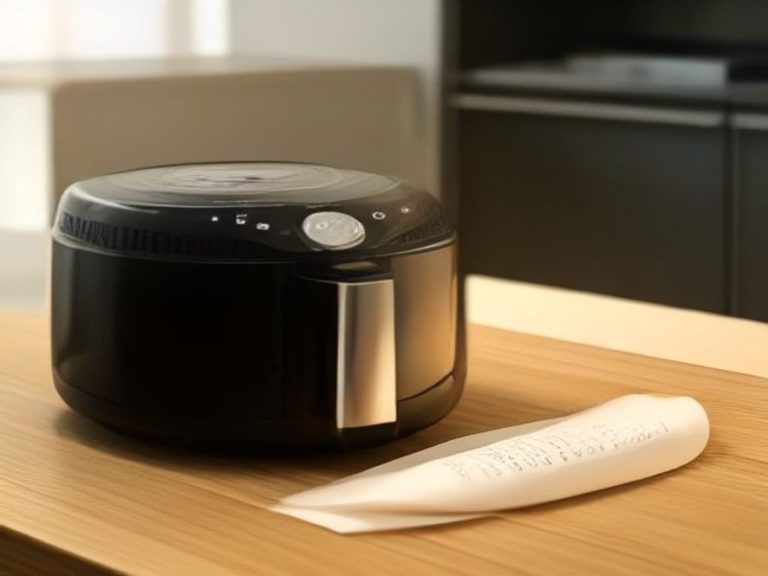
You walk into your kitchen and smell something burning—you left the air fryer running, and now the counters around it are warm to the touch.
Overheating is one of the most common causes of appliance failure and kitchen fires. The good news is that most overheating problems are preventable with simple habits and regular maintenance. Here’s how to keep your appliances cool and safe.
TL;DR
- Give appliances breathing room—leave 4-6 inches (10-15 cm) of space around heat-producing appliances .
- Clean vents and filters regularly—blocked airflow is the leading cause of overheating .
- Avoid overloading circuits—spread high-wattage appliances across different outlets .
- Unplug small appliances when not in use—prevents fire risk from faulty components .
- Watch for warning signs—if an appliance is unusually hot, smells burning, or shows error codes, stop using it immediately .
Key Takeaways
- Good ventilation is essential—blocked vents trap heat and can cause fires .
- Dirty filters and coils force appliances to work harder and overheat .
- Overloading a single circuit can cause wires to heat up and melt .
- Regular cleaning and inspections catch problems before they become dangerous .
Essential Habits to Prevent Overheating
1. Give Appliances Space to Breathe
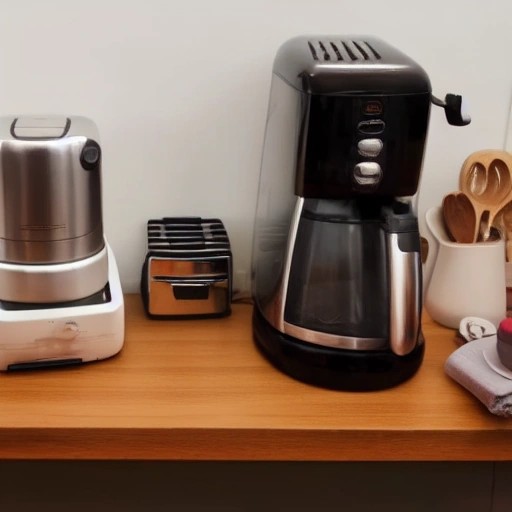
The number one cause of overheating is poor airflow. Most manufacturers recommend leaving at least 4-6 inches (10-15 cm) of space around heat-producing appliances like toasters, air fryers, and toaster ovens .
Do:
- Place appliances in open areas with clear ventilation .
- Keep them away from walls, cabinets, and other appliances .
- Ensure rear vents are not blocked by cords or clutter .
Don’t:
- Use appliances under low-hanging cabinets without clearance .
- Store items on top of or against appliances that generate heat .
2. Clean Filters and Vents Regularly
Grease buildup on range hood filters and dust on air intake vents can block airflow, trapping heat inside the appliance .
How often:
- Range hood filters: Clean monthly .
- Air fryer vents: Wipe after each use, deep clean monthly .
- Refrigerator coils: Clean twice a year .
- Toaster crumb trays: Empty weekly .
3. Avoid Overloaded Circuits
Plugging too many high-wattage appliances into the same circuit can cause overheating and fires .
Which appliances draw the most power?
- Air fryers (1500W+)
- Microwaves (1000-1500W)
- Toasters (800-1500W)
- Coffee makers (600-1200W)
- Kettles (1500W)
What to do: Spread high-wattage appliances across different outlets and circuits. Avoid using extension cords for kitchen appliances .
4. Use Appliances According to Their Intended Purpose
Misusing an appliance is a quick route to overheating. For example, using a toaster oven or air fryer for extended periods at max temperature can overwhelm its cooling system .
What to do:
- Follow the manufacturer’s recommendations for cooking times and temperatures .
- If using an appliance for long periods, alternate between medium-high and high power settings to give it a “breathing” opportunity .
- Allow appliances to cool between uses .
5. Unplug When Not in Use
Even turned off, appliances with standby power can experience electrical issues that cause heat buildup . Unplugging eliminates this risk entirely.
Priority appliances to unplug:
- Toasters and toaster ovens
- Coffee makers and kettles
- Air fryers and countertop ovens
6. Inspect Cords and Plugs
Frayed or damaged cords create resistance that generates heat, which can spread to the appliance and cause overheating .
What to check:
- Fraying, cracks, or soft spots on the cord
- Discoloration or browning near the plug
- A plug that feels warm during use
7. Level Your Appliances
An unlevel appliance can vibrate excessively, increasing internal friction and heat generation . Use a spirit level to ensure appliances like refrigerators and dishwashers are properly balanced.
Warning Signs Your Appliance Is Overheating
| Warning Sign | What It Means | What to Do |
|---|---|---|
| Appliance feels excessively hot | Poor ventilation or internal issue | Check vents; stop using if unusually hot |
| Burning smell | Overheating wiring or melting components | Unplug immediately; call a professional |
| Error codes (E_A, H, Err 044) | Overheat protection triggered | Let cool; check ventilation; if persists, call for service |
| Appliance shuts off mid-cook | Thermal safety cut-off activated | Allow to cool; reduce load or cooking time |
| Warm plug or outlet | High resistance or circuit overload | Stop using; have outlet inspected |
| Frayed or damaged cord | Exposed wires, fire risk | Stop using; replace cord or appliance |
Appliance-Specific Overheating Prevention
Air Fryers and Toaster Ovens
- Clean out crumbs and grease after each use .
- Don’t block the air intake or exhaust vents .
- Never place them directly under cabinets .
Refrigerators
- Clean condenser coils twice a year .
- Keep the fridge level and away from heat sources like ovens .
- Ensure enough space around the fridge for air circulation .
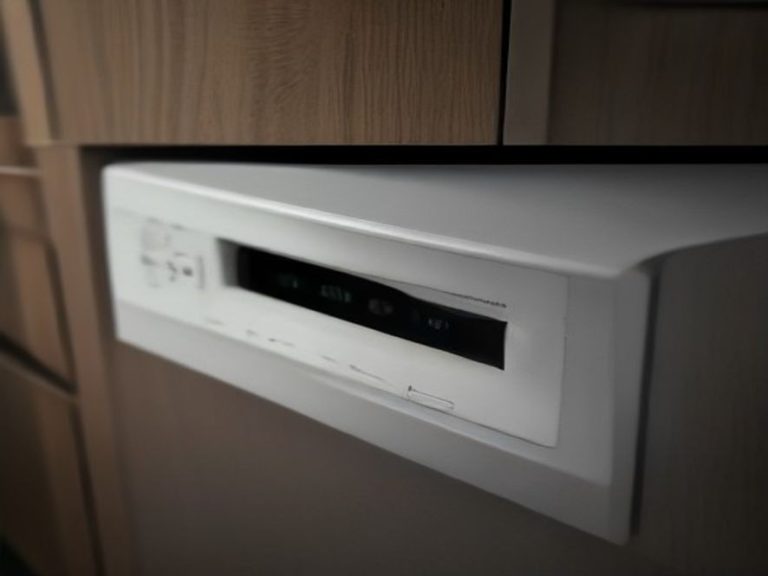
Dishwashers
- Clean the filter monthly to prevent blockages that strain the pump .
- Run only when fully loaded to maximize efficiency .
Induction Cooktops
- Use cookware that matches the marked heating area .
- Avoid using oversized cookware that directs heat toward the control panel .
Quick Reference: Overheating Prevention Tips
| Action | Frequency |
|---|---|
| Clean range hood filters | Monthly |
| Clean refrigerator coils | Twice a year |
| Empty toaster crumb tray | Weekly |
| Inspect power cords for damage | Monthly |
| Give appliances space (4-6 inches) | Always |
| Unplug small appliances when not in use | Always |
FAQ
Why do kitchen appliances overheat?
The most common causes are poor ventilation, blocked air vents, dirty filters, overloaded electrical circuits, and internal wiring issues .
Can a dirty filter cause overheating?
Yes. Grease and dust buildup block airflow, trapping heat inside the appliance and causing it to overheat or even catch fire .
Is it safe to use an appliance with a damaged cord?
No. A damaged cord exposes wiring that can cause overheating, sparks, and electrical fires. Replace the cord or the appliance .
How much space do I need around my air fryer?
Leave at least 4-6 inches (10-15 cm) of space around all sides to allow proper airflow .
What should I do if my appliance shuts off mid-cycle?
This is often overheat protection. Unplug it, let it cool for 20–30 minutes, check the vents for blockages, and try again .
Can using too many appliances at once cause overheating?
Yes. Plugging too many high-wattage appliances into the same circuit can cause the wires to heat up, tripping breakers or causing fires .
References
Trusted sources for preventing appliance overheating:
- Australian Fire Service – Appliance Fire Safety
- Scottish Fire and Rescue Service – Kitchen Safety
- Consumer Product Safety Office – Electrical Safety Tips
- Martha Stewart – Dangerous Kitchen Appliances Guide
- Bob Vila – 15 Signs You Need to Replace Appliances
- KitchenAid – Maintenance Tasks You Might Be Ignoring
- The Spruce – Why Appliances Overheat and How to Prevent It
- Energy.gov – Maintaining Your Air Conditioner
Which kitchen safety topic do you want to learn about next? Share your thoughts in the comments.