Why Is My Refrigerator Leaking Water Underneath? 7 Possible Causes
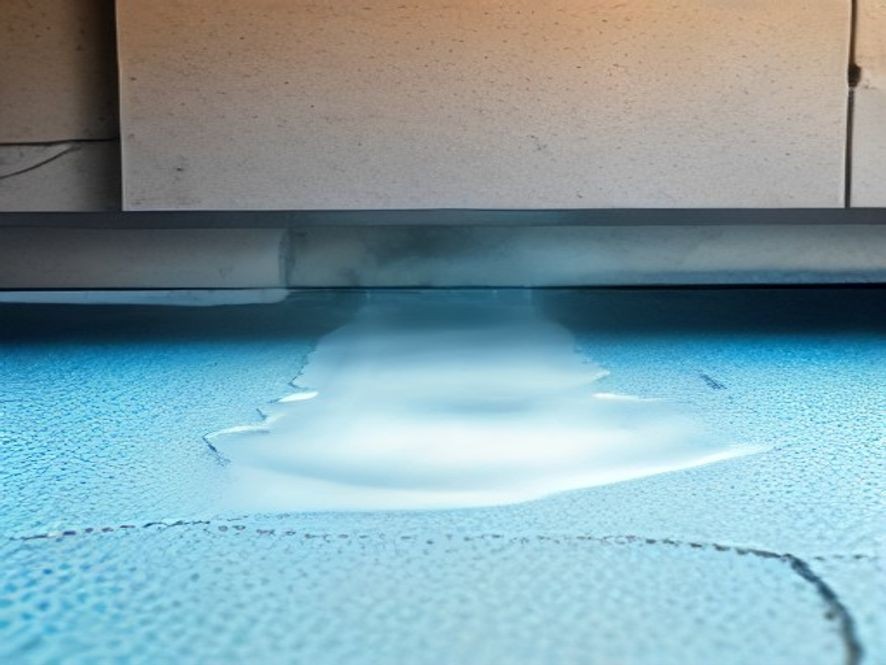
You slide the refrigerator out from the wall, and there it is—a puddle on the floor, making you wonder if a major repair is looming.
Finding water under your refrigerator is stressful, but the good news is that many causes are simple to fix yourself. The source of the leak usually tells you exactly what’s wrong . Here are seven common reasons your fridge is leaking, along with practical solutions.
TL;DR
- Most refrigerator leaks come from a blocked defrost drain—ice or debris prevents water from reaching the evaporation pan
- Where the leak appears matters: water at the back usually means a supply line issue; water underneath often points to a cracked drain pan
- Door seal problems let warm, humid air in, creating excess condensation that pools inside
- Start with simple fixes: check the drain hole, inspect the water line, and test the door seal with the dollar bill test
- If the leak is heavy or you can’t find the source, call a professional—water and electricity don’t mix
Key Takeaways
- A clogged defrost drain is the #1 cause—regular cleaning prevents most floor leaks
- Cracked or overflowing drain pans allow water to pool directly under the refrigerator
- Damaged water supply lines leak at connections behind the unit
- Faulty door gaskets allow humid air in, creating condensation that drips out
- Unplug your refrigerator before any inspection—safety first when dealing with water and electricity
7 Common Causes of Refrigerator Leaks
1. A Clogged or Frozen Defrost Drain (Most Common)
The defrost drain is located at the bottom of your refrigerator or freezer compartment. During the automatic defrost cycle, melting ice should flow through this drain into a pan underneath, where it evaporates . When the drain gets clogged with food debris, dust, or ice, water backs up and eventually overflows onto your floor .
How to fix it:
- Locate the drain hole on the back wall (usually above the crisper drawers or in the freezer)
- Pour warm (not boiling) water mixed with a little vinegar down the drain to melt ice and clear debris
- Use a turkey baster or pipe cleaner to gently push the blockage through
- If you hear water trickling into the pan, you’ve cleared it
2. A Cracked or Overflowing Drain Pan
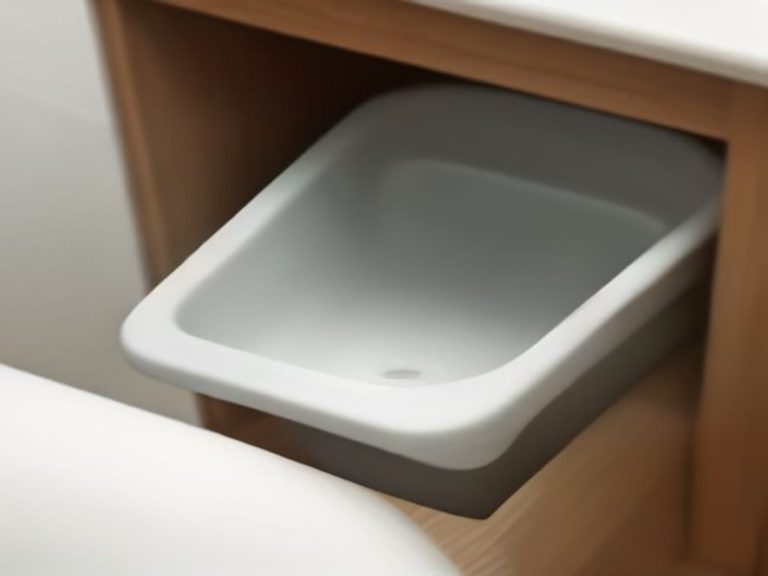
The drain pan sits underneath your refrigerator and catches water from the defrost cycle. It’s normal for a small amount of water to be in the pan—it’s supposed to evaporate . But if the pan is cracked, it will leak water onto the floor . It can also overflow if you have high humidity and the water can’t evaporate fast enough .
How to fix it:
- Pull the fridge out and inspect the pan for cracks
- If cracked, order a replacement part
- If overflowing, check that nothing is blocking airflow around the pan and consider using a dehumidifier in your kitchen
3. A Damaged or Loose Water Supply Line
If your refrigerator has an ice maker or water dispenser, a water supply line connects to the back. Over time, the connections can loosen, or the tubing can crack . This is often the cause if you see water at the back of the refrigerator .
How to fix it:
- Inspect the tubing for cracks, kinks, or damage
- Check that all connections at the wall valve and back of the fridge are tight
- If the line is cracked, replace the damaged section
4. A Worn or Dirty Door Gasket (Seal)
The door gasket is the rubber seal around your refrigerator door. If it’s worn, cracked, or dirty, warm, humid air can enter the fridge . This causes excess condensation, which can pool inside and eventually leak out .
How to check and fix:
- The dollar bill test: Close the door on a dollar bill and try to pull it out. If it slides out easily, the seal isn’t tight .
- Clean the gasket with warm, soapy water to remove dirt that might be breaking the seal
- If the gasket is damaged, replace it
5. High Humidity in Your Home
When your kitchen is very humid, moisture gets into the fridge every time you open the door . This excess moisture can build up, causing condensation that drips onto the floor .
How to fix it:
- Check that the refrigerator is level (it should tilt slightly backward so water drains properly)
- Consider using a dehumidifier in your kitchen
- Limit how often you open the door, and make sure it closes firmly
6. A Blocked Internal Drain Channel
Water pooling inside the refrigerator compartment (especially under the crisper drawers) often points to a blocked V-shaped drain channel on the rear wall . This channel directs condensation water to the drain hole. If food debris blocks it, water overflows .
How to fix it:
- Locate the drainage channel on the back wall of the fridge
- Clean it with warm water and a pipe cleaner to remove any food residue or debris
7. A Cracked or Incorrectly Installed Water Filter
If water is leaking inside the refrigerator compartment, the water filter might be cracked or incorrectly installed . This is a surprisingly common issue .
How to fix it:
- Remove the filter and inspect it for cracks
- Reinstall it securely, making sure it clicks into place
- If it’s damaged, replace it
Step-by-Step Quick Fix Guide
- Unplug the refrigerator for safety before you start
- Pull the fridge away from the wall and look for the source—water at the back often means a supply line issue; water underneath often points to the drain pan
- Check the drain pan for cracks or overflow
- Inspect the water supply line and connections for damage or looseness
- Test the door seal with the dollar bill test
- Clean the defrost drain if the leak is from the front or inside the fridge
Comparison Table: Where’s the Water and What’s the Fix?
| Location of Leak | Most Likely Cause | DIY Fix? |
|---|---|---|
| Underneath the fridge | Cracked or overflowing drain pan | Easy—replace or empty the pan |
| At the back of the fridge | Damaged or loose water supply line | Moderate—tighten or replace line |
| Inside the fridge (under drawers) | Clogged defrost drain or blocked drain channel | Easy—clear the drain and channel |
| Around the door | Worn or dirty door gasket | Easy—clean or replace the gasket |
| Water filter area | Cracked or loose water filter | Easy—reinstall or replace the filter |
When to Call a Professional
Call a licensed technician or plumber if:
- The leak is heavy or persistent and DIY fixes don’t work
- You can’t find the source of the leak
- You smell gas, notice electrical issues, or see water inside the refrigerator that won’t clear
- You suspect damage to internal components like the water valve
Attempting to dismantle parts yourself may cause damage, pose a safety risk, and void your warranty .
Prevention Tips
- Clean the defrost drain once or twice a year with warm water to prevent clogs
- Check and clean door seals regularly with soapy water
- Inspect the water supply line periodically for cracks or loose connections
- Keep food away from the back wall to ensure proper airflow
- Level your refrigerator so it tilts slightly backward for proper drainage
Frequently Asked Questions
Why is my refrigerator leaking water underneath?
The most common causes are a clogged defrost drain, a cracked drain pan, or a damaged water supply line. Start by checking the drain pan and defrost drain first .
How do I clear a clogged defrost drain?
Locate the drain hole (usually on the back wall inside the fridge or freezer) and pour warm water mixed with vinegar down it. Use a pipe cleaner or turkey baster to gently push debris through .
Can a cracked water filter cause a refrigerator leak?
Yes. A cracked or incorrectly installed water filter can leak water inside the refrigerator compartment .
How do I test my refrigerator door seal?
Close the door on a dollar bill and try to pull it out. If it slides out easily without resistance, the seal needs cleaning or replacement .
Is it safe to fix a refrigerator leak myself?
You can safely perform basic fixes like cleaning the drain, inspecting the water line, and cleaning the door seal. Always unplug the refrigerator first. If the leak persists or you suspect internal damage, call a professional .
A puddle under your refrigerator is almost always fixable. Start with the simple checks—unplug the unit, inspect the drain pan, clear the defrost drain, and test the door seal. In many cases, a few minutes of maintenance gets your kitchen floor dry again.
Which kitchen problem do you want solved next? Share your thoughts in the comments.
Trusted appliance repair resources for refrigerator troubleshooting and maintenance: