Why Is My Refrigerator Dripping Water Onto the Kitchen Floor? Causes and Fixes
You pull out the fridge to sweep behind it and find a puddle—or worse, you step on a damp spot in the middle of the night. A dripping refrigerator is one of those problems that can start small but quickly turn into a bigger headache for your floors and cabinets. The good news? Most causes are simple to identify, and many fixes are DIY-friendly.
TL;DR
A dripping refrigerator is usually caused by one of three things: a clogged defrost drain that overflows, a leaking water supply line (if you have an ice maker or water dispenser), or a faulty door seal causing excess condensation. Start by checking for a blocked drain hole inside the freezer—clearing it with hot water often solves the problem. If the leak comes from the back, inspect the supply line connections.
Key Takeaways
- Clogged defrost drain is the #1 cause—meltwater backs up and spills onto the floor.
- Leaking water supply line is the primary culprit for fridges with ice makers; check connections behind the unit.
- Loose or cracked water connections can cause slow, hidden leaks that damage floors over weeks or months.
- Door seal issues let in humid air, creating condensation that drips.
- Most repairs are DIY, but heavy leaks or internal component damage call for a technician.
The Real Causes Behind a Leaking Refrigerator
A Clogged Defrost Drain (The #1 Suspect)
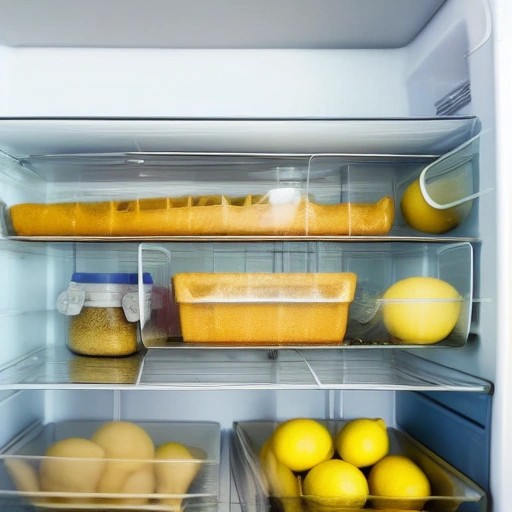
Modern refrigerators self-defrost by melting frost from the evaporator coils. The meltwater is supposed to flow through a small drain hole and tube into a pan underneath, where it evaporates. When that drain gets clogged with food debris, dust, or ice, the water backs up and spills inside the fridge or freezer—and eventually onto your floor.
How to spot it: You’ll often see ice under the bottom basket in the freezer or water pooling in the fridge compartment. The floor puddle usually appears once or twice a day, after a defrost cycle.
The fix: Unplug the fridge, remove the rear panel inside the freezer, locate the small drain hole, and flush it with hot water (not boiling) using a turkey baster or homemade squeeze bottle. You can also use a baking soda solution to clear and deodorize. To prevent recurrence, flush the drain every six months.
When to call a pro: If you can’t access the drain hole, or if flushing doesn’t clear the blockage, contact a technician.
A Leaking Water Supply Line (For Ice Maker or Dispenser Models)
If your fridge has an ice maker or water dispenser, a leak in the supply line is a common culprit. These lines are typically plastic tubing that runs from your home’s water supply to the fridge. Over time, connections can loosen, the tubing can crack, or the valve can fail. Even a tiny drip that goes unnoticed can cause significant damage over time.
How to spot it: Pull the fridge away from the wall. Inspect the tubing and all connections—at the wall valve, behind the fridge, and where the line enters the unit. If you see moisture or feel dampness, you’ve found the leak.
The fix:
- Tighten loose connections at the shut-off valve and the back of the fridge.
- Replace damaged tubing and fittings—this is often an easy DIY job, but make sure to get the right size line.
- Replace faulty saddle valves with a more reliable compression valve if you’re comfortable with plumbing.
When to call a pro: Internal leaks behind the fridge panel (beyond the external connections) require a technician.
A Broken Door Seal (Excess Condensation)
If the rubber gasket around your refrigerator door doesn’t seal tightly, warm, humid air gets inside. This creates excess condensation, which can pool at the bottom of the fridge and leak out onto the floor. A simple test with a dollar bill can tell you if the seal is failing. Close the door on the bill; if you can easily pull it out, the seal isn’t doing its job.
The fix: Clean the seal with warm, soapy water and a soft cloth. If it’s still loose or cracked, it needs to be replaced—a relatively easy job you can do yourself with a universal or model-specific gasket.
Other Potential Causes
- Ice maker leaks: Water from a faulty ice maker can drip down and end up on the floor.
- Water filter cracks: A cracked or improperly installed water filter can leak inside the fridge, eventually reaching the floor.
- Excessive humidity: In very humid kitchens, the drip pan may fill up faster than it can evaporate.
Comparison Table: Fridge Drip Causes at a Glance
| Problem | What You’ll See | Location | Difficulty |
|---|---|---|---|
| Clogged Defrost Drain | Ice in freezer, water puddle in front | Inside freezer, floor in front | Easy |
| Loose/Leaking Supply Line | Dripping at connections | Behind fridge, at wall valve | Easy |
| Cracked Supply Tubing | Water pooling behind or under fridge | Behind fridge, along water line | Moderate |
| Broken Door Seal | Condensation on walls, water inside | Inside fridge, on shelves | Easy |
| Internal Component Leak | Persistent leak after external checks | Inside the back panel | Pro Only |
Step-by-Step Fix Guide
- Identify the source: Is the leak from inside the fridge (under the crisper drawers) or from behind/underneath the unit? This narrows it down to a clogged drain or a water line issue.
- Check the defrost drain: If it’s an internal leak, locate the drain hole in the freezer and flush it with hot water.
- Inspect the water supply line: If it’s an external leak, pull the unit out and check all connections and tubing. Tighten or replace as needed.
- Test the door seal: Check for air gaps and clean or replace the gasket if necessary.
- Call for backup: If these steps don’t work, or if you’re uncomfortable working with water lines, call a qualified appliance technician or plumber.
Prevention Tips
- Clean the defrost drain with hot water every six months.
- Inspect water supply lines for cracks or stiffness every year—replace tubing that’s over 7–10 years old preventively.
- Replace the water filter as recommended by your manufacturer and ensure it’s properly installed.
- Keep the door seals clean and free of food debris.
FAQ
Q: Why is water leaking from the front of my refrigerator?
A: This is almost always a clogged defrost drain. Meltwater backs up and spills out of the front of the unit.
Q: Why is water leaking from the back of my refrigerator?
A: If your fridge has an ice maker, it’s likely a leak in the water supply line or a loose connection at the water valve. It could also be a cracked water filter housing.
Q: How do I fix a clogged defrost drain myself?
A: Unplug the fridge, remove the interior freezer panel, locate the drain hole, and flush it with hot water using a turkey baster or squeeze bottle. A baking soda solution works well, too.
Q: How do I find a leak in my fridge’s water supply line?
A: Pull the fridge away from the wall. Use a dry paper towel to wipe all the water lines and connections. If the towel comes away wet, you’ve found the leak.
Q: When should I call a professional for a fridge leak?
A: If flushing the defrost drain doesn’t work, if there’s a heavy leak, if you suspect internal component damage, or if you see ice buildup on the evaporator coils that you can’t clear, it’s time to call a technician.
Q: Can a small fridge leak really damage my kitchen floor?
A: Yes. Even a tiny drip that continues for weeks or months can warp wood floors, swell cabinet bases, and saturate subflooring.
Which kitchen problem do you want solved next? Share your thoughts in the comments.
Practical Refrigerator Maintenance and Leak Repair Guide – Trusted Appliance Sources: