How to Find a Hidden Leak Under a Kitchen Sink: A Step-by-Step Guide to Protect Your Home
That sinking feeling when you open the cabinet and find a pool of water is something every homeowner dreads.
The good news? Most under-sink leaks can be found and fixed with a little patience and know-how. This guide will walk you through the detective work needed to find the source of that pesky drip. From common causes to simple solutions, you’ll learn the best way to tackle the problem and protect your kitchen from water damage.
TL;DR
- Don’t panic—most leaks come from a few common spots.
- Dry everything out first so you can see exactly where the water is coming from.
- The biggest culprits are often the P-trap, the water supply connections, or a worn-out seal.
- Start with a simple “flow test” by running water and watching for drips.
- Some problems are easy DIY fixes, while others require a professional plumber .
Key Takeaways
- Preparation is key: Empty the cabinet and dry all pipes to make finding the leak easier.
- Check the P-trap: This U-shaped pipe is a frequent source of leaks and clogs .
- Inspect supply lines: Look for loose nuts or corroded valves where the water enters the sink .
- Test the faucet and drain: Fill the sink and let it drain to test the drain assembly .
- Know when to call a pro: For major corrosion or if you can’t find the source, it’s time to call an expert .
The Most Common Causes of a Leak Under Your Kitchen Sink
A leak under the sink might seem mysterious, but it usually comes down to a few common issues. The plumbing under your sink is a busy network of pipes and connections, and any one of them can fail. Let’s look at the usual suspects .
Why the P-Trap Leaks
The P-trap is the curved pipe under your sink that holds water to block sewer gases. Over time, the slip nuts that hold it together can loosen, or the rubber washers inside can wear out, causing a leak when water drains down .
Corroded Valves and Worn Gaskets
Kitchen sinks handle a lot of water, and the valves that control it can corrode from the inside out. Similarly, the gaskets and washers that seal the faucet to the sink can wear out. If you see water dripping from the handle, a worn-out O-ring is often the reason .
Loose Water Supply Connections
The water supply lines bring hot and cold water to your faucet. If these connections are loose, or the nuts are not tight enough, they will leak. This is a common cause of a steady drip .
Problems with the Drain Assembly
The drain assembly is where the sink meets the pipe below. Plumbers often use a putty to seal this gap, but old or failing putty can become brittle. In this case, water will leak around the drain strainer when the sink is full .
How to Find the Source of the Leak: Your Step-by-Step Guide
Now that you know what to look for, let’s get our hands dirty and play kitchen detective. Follow these steps to pinpoint the exact source of the leak.
Step 1: Prepare the Area for Investigation
This is the most important step!
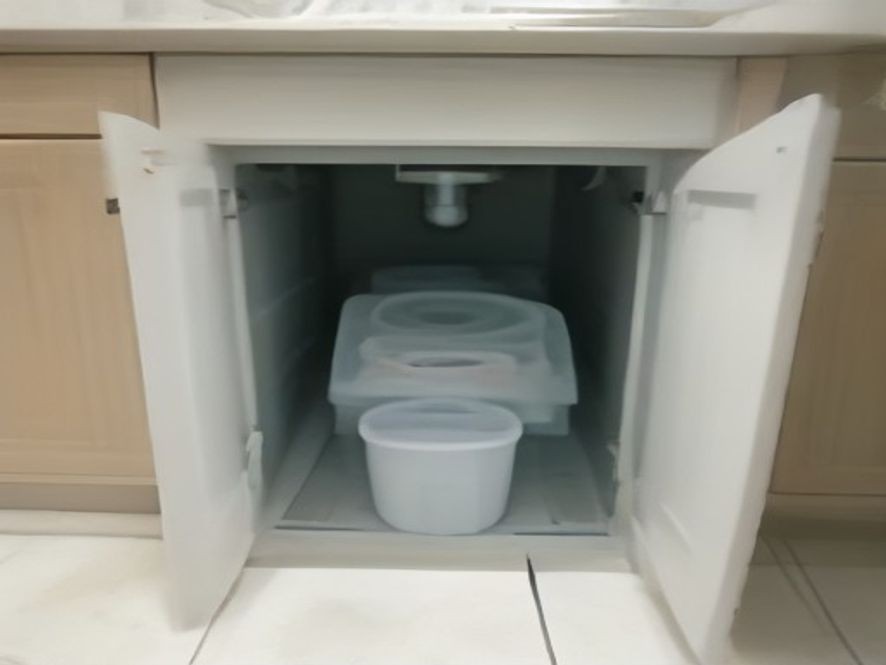
- Clear the cabinet: Remove everything from under the sink. You need a clean workspace .
- Dry everything: Grab some towels and dry out the pipes, the cabinet floor, and the walls. You need to start with a dry slate so you can see where new moisture comes from .
Step 2: Perform the Flow Test
This test helps you find leaks related to the water supply.
- Run the water: Turn on the cold tap and let it run for a few minutes. Carefully check the hot and cold water supply lines under the sink. Do you see any drips forming? .
- Check the connections: If you see water around the connections to the shut-off valves or the faucet hoses, those connections are likely your problem .
- Test the sprayer: If your faucet has a spray nozzle, use it while looking under the sink. Sometimes, hoses only leak under pressure .
Step 3: Perform the Drain Test
This test focuses on the drainage system.
- Fill the sink: Plug the drain and fill the sink basin halfway with water .
- Observe the drain flange: Look under the sink at the drain flange (the part that connects the sink to the pipe). If water starts dripping here, you have a problem with the seal between the sink and the drain .
- Let the water drain: Pull the plug and watch the P-trap and other drain pipes. If the leak starts now, the U-bend or the connections on the drain assembly are likely loose or worn out .
Step 4: Check the Sink Seal (For Drop-in Sinks)
If your sink is a drop-in model, water can sometimes leak from the countertop rim.
- Splash test: Dry the area under the counter lip. Then, splash water on the countertop near the sink rim. If water appears underneath, the silicone seal has failed and needs to be replaced .
Quick Fixes and When to Call a Pro
Simple DIY Solutions
- Tighten slip nuts: If you find a loose connection on the drain pipes, you can often fix it by simply hand-tightening the slip nuts .
- Replace a washer: If a compression nut is leaking, it might just need a new rubber washer.
- Apply plumber’s putty: For a leak around the drain strainer, the old plumber’s putty might have failed. Applying new putty can solve the problem .
When to Call a Professional
- Extensive corrosion: If your P-trap or shut-off valves are severely corroded, it’s best to have a professional plumber replace them .
- Hidden leaks: If you can’t find the source after trying the tests above, it’s time to call a specialist. They have tools to find hidden leaks without tearing your kitchen apart .
- Leaks from appliances: If the leak seems to come from your dishwasher connection, a plumber can safely repair it .
Comparison Table: Common Leak Sources and Fixes
| Source of Leak | Common Cause | Best Solution | Difficulty Level |
|---|---|---|---|
| P-Trap or U-Bend | Loose slip nuts or worn-out washers | Tighten nuts or replace the trap **** | Easy |
| Water Supply Lines | Loose connections, worn washers, or corrosion | Tighten or replace the supply line **** | Moderate |
| Faucet Base | Worn-out O-ring or gasket | Replace the O-ring or gasket | Moderate |
| Drain Flange | Old, hardened plumber’s putty | Re-apply new plumber’s putty **** | Moderate |
| Sink-to-Counter Seal | Cracked or failed silicone caulk | Re-caulk with 100% silicone **** | Moderate |
Important Safety Reminders
- Safety first! If you have a garbage disposal or dishwasher connected, always unplug the appliances before you start working to avoid any accidents.
- Isolate the water: If the leak is bad, turn off the water at the shut-off valves (under the sink) or at the main stop valve. Turn the valve slowly to avoid damaging it .
- Watch for electrical hazards: If water has reached any electrical outlets or components, do not touch them. Turn off the power at the circuit breaker and call an electrician .
“Most kitchen problems come from small maintenance habits that are often ignored. A regular check for drips under the sink is an easy habit that can save you thousands of dollars in water damage.”
Chart: The Cost of Neglect
A small drip can lead to big expenses. Waiting too long to fix a leak can cause cabinet rot, mold growth, and structural damage. This chart shows the potential cost comparison between fixing a leak early and dealing with the consequences of neglect.
Frequently Asked Questions (FAQ)
Why is there water under my kitchen sink?
This is usually caused by a leak from the drain pipes (P-trap), water supply lines, or a worn-out seal on the faucet or drain assembly .
How do I find a leak in my kitchen sink drain?
First, dry everything out. Then, plug the sink and fill it with water. If you see a leak when the water drains, it’s a problem with the P-trap or its connections .
Can a leaking pipe under the sink be a DIY fix?
Yes, many leaks are easy fixes, like tightening a slip nut or replacing a worn washer. However, if a connection is severely corroded, it’s safer to call a professional .
How do I stop my kitchen sink from leaking under the cabinet?
You can’t stop a leak until you find the source. Start by identifying if it’s a supply line or a drain line issue using the flow and drain tests described above.
What is the U-bend under the sink?
The U-bend, or P-trap, is the curved pipe that holds water to prevent sewer gases from entering your home. It’s a very common source of leaks .
What should I do if my pipe is leaking under the kitchen sink?
First, turn off the water supply. Then, lay down towels, take everything out of the cabinet, and try to find the source of the leak. If it’s a small drip, you can often fix it yourself. For major leaks, call a plumber immediately .
How much does it cost to fix a leak under the kitchen sink?
A simple DIY fix may cost less than $20 for new washers or putty. Hiring a plumber can cost anywhere from $150 to $500 or more, depending on the complexity of the repair and your location.
Finding a leak under your kitchen sink can be stressful, but with these tips and a little patience, you can identify the problem and decide on the best solution. Whether it’s a simple fix or a job for a professional, taking action quickly is the best way to protect your kitchen from water damage.
Disclaimer: The information provided in this blog post is for general informational purposes only and does not constitute professional plumbing advice. Always consult with a qualified professional for any plumbing repairs or concerns.
Which kitchen problem do you want solved next? Share your thoughts in the comments.
Learn more about kitchen maintenance and safety from trusted sources: