Why Is My Kitchen Sink Always Clogged in Kitchen Sink Problems Guide (Finally Stop the Cycle)
You pour another pot of pasta water down the drain, hold your breath, and watch—waiting for that moment when the water stops going down and starts creeping back up toward the rim.
A kitchen sink that clogs over and over again is exhausting. You plunge it. It drains. A week later, it clogs again. You snake it. It drains. Two weeks later, you are back with a plunger in hand. You start to wonder if your plumbing is cursed. It is not. Recurring clogs happen because you are treating the symptom, not the cause. This kitchen sink problems guide explains exactly why your sink clogs repeatedly and how to break the cycle for good.
TL;DR
A kitchen sink that clogs repeatedly usually means you have a chronic buildup problem, not a one-time blockage. The most common causes are pouring grease down the drain, using too much soap that combines with hard water minerals, running the disposal incorrectly, or having a damaged pipe interior that catches debris. Fixing the recurring clog requires changing habits and doing a deep clean of the entire drain line, not just clearing the immediate blockage. Prevention habits like never pouring grease, using a sink strainer, and weekly boiling water flushes stop clogs before they start.
Key Takeaways
- Recurring clogs mean the problem is still in your pipes after you clear the drain.
- Grease is the number one cause of repeat clogs. It builds up slowly and traps everything.
- Hard water plus dish soap creates soap scum that narrows pipes over time.
- A damaged or corroded pipe interior acts like velcro for debris.
- Stopping repeat clogs requires habit changes, not just better plunging.
Why Is My Kitchen Sink Always Clogged? The Real Reasons
A single clog is bad luck. A recurring clog is a pattern. Your sink is telling you that something in your daily routine or your plumbing system is creating the same problem over and over. Let us find your pattern.
Cause 1: You Pour Grease Down the Drain (The Most Common Repeat Offender)
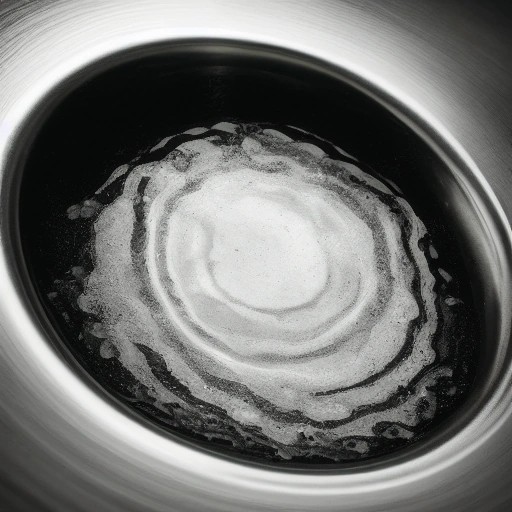
Here is what happens. You cook bacon. The pan has a thin layer of grease. You run hot water and pour it down. It slides right through. No problem. You do this once a week for a year. That thin layer of grease does not disappear. It coats your pipe walls. More grease sticks to that grease. Food scraps stick to the grease. Over time, the pipe that used to be two inches wide is now one inch wide or less. Water drains slower and slower until one day it stops.
Why clearing the clog does not fix it: When you plunge or snake a grease clog, you punch a small hole through the buildup. Water flows again. But the thick grease walls are still there. Within weeks, that hole narrows again, and you get another clog.
How to tell if grease is your recurring problem:
- You pour cooking oil, bacon fat, or pan drippings down the drain.
- The clogs happen every few weeks or months, always returning.
- The water that backs up looks greasy or has an oily film.
- Plunging works temporarily, but the slow drain comes back.
The real fix: You cannot just clear the clog. You need to remove the grease buildup from your pipes entirely.
Deep clean for grease buildup:
- Remove all standing water from the sink.
- Pour one cup of baking soda down the drain.
- Follow with two cups of white vinegar. Cover the drain with a wet rag.
- Wait 20 minutes. The foam breaks down grease.
- Boil a full kettle of water. Pour it down slowly.
- Repeat this process every day for one week. This gradually dissolves the hardened grease layer.
- After the week is over, change your habit forever. Never pour grease down the drain again. Collect it in a jar and throw it in the trash.
“One pour of grease seems harmless. Fifty pours create a solid wall of fat inside your pipes. That wall catches everything that goes down your drain.”
Cause 2: Soap Scum and Hard Water
If you have hard water (white scale on your kettle or showerhead), your water contains calcium and magnesium. These minerals combine with dish soap to form soap scum—a hard, grayish deposit that sticks to pipe walls. Over time, soap scum narrows your pipes just like grease does.
How to tell if soap scum is your problem:
- You have visible white scale on other fixtures in your home.
- The clogs have been getting more frequent over several years.
- You use bar soap or powdered dish soap (both create more scum).
- Grease cleaning treatments help but do not stop the clogs.
The real fix:
- Pour two cups of white vinegar down the drain. Let it sit for one hour.
- Follow with boiling water.
- Repeat once a week for three weeks.
- Switch to liquid dish soap. Liquid soap produces significantly less soap scum than bar soap or powder.
- Consider installing a whole-house water softener if hard water is severe.
Cause 3: You Use Your Garbage Disposal Like a Trash Can
A garbage disposal is designed to handle small food scraps that slip past a sink strainer. It is not designed to grind up entire plates of leftovers, chicken bones, banana peels, or coffee grounds. When you overload your disposal, food gets pushed into the drain line before it is fully ground. Those larger particles catch on grease buildup and create clogs.
How to tell if disposal misuse is your problem:
- The clogs happen most often after large meals or parties.
- You put things like pasta, rice, potato peels, or eggshells down the disposal.
- The disposal sounds strained or takes a long time to grind.
- The clog usually happens on the disposal side of a double sink.
The real fix:
- Change how you use your disposal.
- Scrape all plates into the trash before rinsing.
- Run cold water before, during, and after using the disposal.
- Never put these items down the disposal:
- Pasta, rice, or bread (they expand with water)
- Potato peels (the starch turns into paste)
- Coffee grounds (they pack together like cement)
- Eggshells (the membrane wraps around the blades)
- Fibrous vegetables like celery or corn husks
- Bones or fruit pits
- Clean your disposal weekly with ice cubes and rock salt.
| Habit | Why It Causes Repeat Clogs | Better Alternative |
|---|---|---|
| Pouring grease down drain | Coats pipes, traps debris | Pour into jar, throw in trash |
| Scraping plates into sink | Overloads disposal and drain | Scrape into trash first |
| Using powdered dish soap | Creates thick soap scum | Use liquid dish soap |
| Running disposal without water | Food sits in pipes | Run cold water before and during |
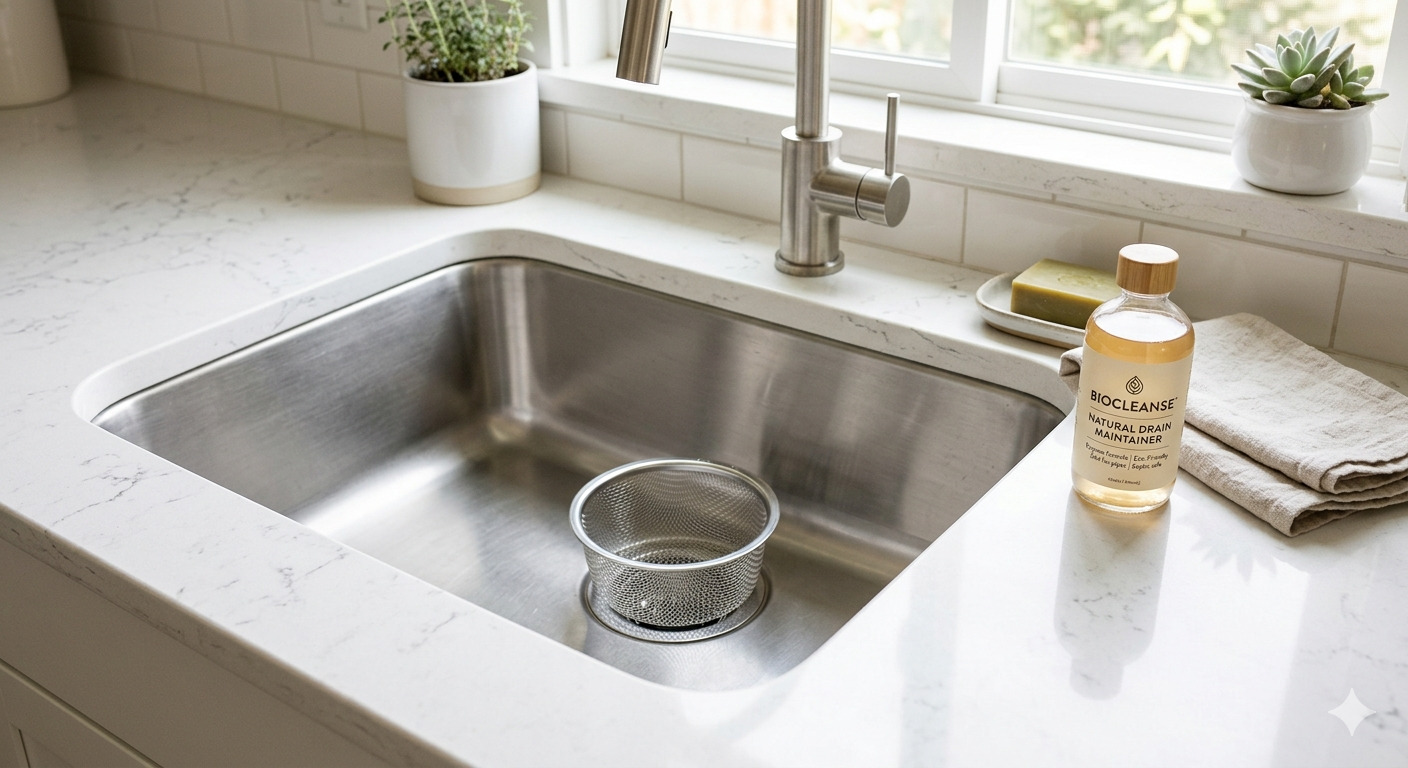
| Skipping sink strainer | Large debris enters pipes | Use $2 mesh strainer |
| Rarely flushing with hot water | Debris settles in P-trap | Weekly boiling water flush |
Cause 4: Damaged or Corroded Pipes
Sometimes the problem is not your habits. It is your pipes. Old metal pipes—especially galvanized steel—corrode on the inside over decades. The interior surface becomes rough and bumpy instead of smooth. Food particles and grease catch on these rough spots easily. Even with good habits, your sink may clog repeatedly because the pipe itself acts like sandpaper for anything that goes down.
How to tell if pipe damage is your problem:
- Your home was built before 1980 (galvanized pipes were common).
- You have tried changing your habits, but clogs still happen.
- The clogs happen in the same sink every time.
- You see rust-colored water or brown flakes in your sink.
The real fix:
- Call a plumber to inspect your pipes with a small camera.
- If the pipes are badly corroded, they may need replacement.
- As a temporary measure, use a enzymatic drain cleaner monthly (these use bacteria to eat organic waste and are safe for old pipes).
- If you have galvanized pipes, start saving for replacement. Corrosion only gets worse.
Cause 5: Dishwasher Drain Line Backflow
Your dishwasher drains into the same pipe as your kitchen sink. If the dishwasher drain hose is installed incorrectly, dirty water can flow back and forth between the dishwasher and the sink drain. This introduces food particles from the dishwasher into the sink drain line, accelerating clogs.
How to tell if your dishwasher is contributing to clogs:
- The sink clogs more often after running the dishwasher.
- You see food debris in the sink after the dishwasher runs.
- The sink has a gurgling sound when the dishwasher drains.
- Your dishwasher smells bad or has standing water inside.
The real fix:
- Look under the sink at the dishwasher drain hose.
- The hose should loop up as high as possible—near the underside of the counter—before going down to the drain connection.
- If the hose hangs straight down, raise it and secure it with a zip tie.
- Clean your dishwasher filter (located inside at the bottom) once a month.
- Run an empty dishwasher cycle with one cup of white vinegar monthly.
Cause 6: You Are Not Flushing Deep Enough
When you plunge or snake a clog, you usually only clear the immediate blockage. The rest of your drain line—further down the pipe—may still have buildup. This is why clogs return. You cleared the front door, but the hallway is still narrowing.
How to tell if you need a deeper clean:
- You clear the clog, but the sink still drains slowly.
- The clog returns within a week or two.
- You have never cleaned past the P-trap.
The real fix:
- Remove and clean the P-trap (the curved pipe under the sink).
- Use a 25-foot drain snake to go deep into the pipe that goes into the wall.
- Run the snake back and forth several times to break up distant buildup.
- Flush with a full bucket of hot water (not just from the tap—use water heated on the stove).
- For severe buildup, call a plumber for hydro-jetting. This uses high-pressure water to scrub the entire interior of your pipes clean.
Step-by-Step Guide: Break the Clog Cycle Forever
Follow these steps over one week. Do not rush.
Day 1: Change your habits.
- Put a jar next to the stove for grease. Commit to never pouring it down the drain.
- Buy a sink strainer if you do not have one.
- Switch to liquid dish soap if you use bar or powder.
Day 2: Deep clean the drain.
- Pour baking soda, then vinegar down the drain. Cover and wait 20 minutes.
- Flush with boiling water.
Day 3: Clean the P-trap.
- Place a bucket underneath. Remove the curved pipe. Scrub it clean.
Day 4: Snake the deep line.
- Use a 25-foot drain snake. Push it into the wall pipe. Crank and pull out debris.
Day 5: Clean the disposal (if you have one).
- Run ice and rock salt through it. Scrub the rubber splash guard.
Day 6: Check the dishwasher connection.
- Ensure the drain hose has a high loop. Clean the dishwasher filter.
Day 7: Start weekly maintenance.
- Pour boiling water down the drain every Sunday.
Prevention: The Weekly Routine That Stops Clogs
Once your drain is truly clean, keep it that way with five minutes of weekly maintenance.
Every Sunday:
- Boil a full kettle of water.
- Slowly pour it down the drain.
- Follow with one cup of white vinegar.
- Let sit for five minutes, then run hot tap water.
Every month:
- Clean the disposal with ice and salt.
- Scrub the rubber splash guard.
- Run the baking soda and vinegar treatment.
Every time you cook:
- Scrape plates into the trash, not the sink.
- Pour grease into a jar, not the drain.
- Run cold water while using the disposal.
- Use a sink strainer for every rinse.
FAQ: Recurring Kitchen Sink Clogs
Why does my kitchen sink clog even though I never pour grease down the drain?
Soap scum from hard water, food scraps that slip past a missing strainer, or damaged pipes can all cause repeat clogs without grease.
How do I know if my pipes are damaged?
Call a plumber for a camera inspection. Signs include slow drains that do not respond to cleaning, rust-colored water, and a home built before 1980.
Can a garbage disposal cause repeat clogs?
Yes. Using a disposal as a trash can pushes large food particles into your drain line. Those particles catch on existing buildup and create clogs.
How often should I deep clean my kitchen drain?
Once a month with baking soda and vinegar. Once a year with a professional hydro-jetting if you have recurring clogs.
Is it safe to use chemical drain cleaners for recurring clogs?
No. Chemical cleaners damage pipes, especially old metal ones. They also do not remove the full buildup—they just punch a hole through it. The clog will return.
Why does my sink clog only when I use the dishwasher?
The dishwasher drains into the same line as your sink. A clog downstream causes water from the dishwasher to back up into the sink. Clean the main drain line.
How much does it cost to hydro-jet a kitchen drain?
$200–400 depending on your location and the length of pipe. It is the most effective way to remove years of grease and soap scum buildup.
Final Thoughts: Break the Cycle for Good
A kitchen sink that clogs over and over is not your destiny. It is the result of habits that can change and buildup that can be cleaned. Stop treating the symptoms. Stop plunging and hoping. Start with the root cause. Stop pouring grease. Use a sink strainer. Switch to liquid soap. Deep clean your pipes with baking soda, vinegar, and a snake. Then commit to five minutes of weekly maintenance.
Your sink wants to drain freely. You just have to stop getting in its way.
What is the most common cause of clogs in your kitchen? Share your experience in the comments.
References: